
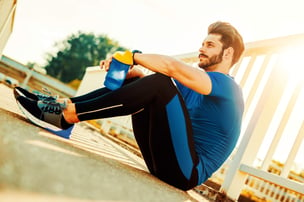
 When it comes to athletic performance and recovery, one advancement in recent years has been compression clothing. From professional athletes to fitness enthusiasts, compression garments have become a staple in many wardrobes. But what exactly is the science behind compression clothing, and how does it impact our bodies during exercise and recovery? Let's dive in and explore the world of compression wear.
The Science Behind Compression Clothing
Compression clothing works by applying pressure to specific parts of the body, typically the limbs, to improve blood circulation and lymphatic flow. This increased circulation can have several benefits for both performance and recovery.
- Enhanced Blood Flow: During exercise, muscles require a steady supply of oxygen-rich blood to perform at their best. Compression garments help to improve blood flow by constricting blood vessels, which in turn increases the velocity of blood as it circulates through the body. This enhanced blood flow can lead to improved endurance, reduced fatigue, and enhanced overall performance.
- Reduced Muscle Oscillation: Compression clothing has an ability to reduce muscle oscillation, or the small vibrations that occur in muscles during movement. By providing external support to muscles, compression garments help stabilize them, reducing the amount of energy expended during exercise and minimizing muscle fatigue.
- Improved Recovery: By increasing blood flow and reducing muscle oscillation, compression garments can help to speed up the recovery process following intense exercise. This can lead to reduced muscle soreness and stiffness, allowing individuals to bounce back more quickly and continue training at a high level.
- Temperature Regulation: Some compression garments are designed to help regulate body temperature during exercise. By wicking away sweat and moisture from skin, these garments can keep the body cool and comfortable and prevent overheating during intense workouts.
Selecting Compression Gear
When selecting compression clothing, it's important to consider factors such as fit, material, and intended use. Compression garments should fit snugly against the skin without being uncomfortably tight, and they should be made from breathable, moisture-wicking fabrics to maximize comfort during exercise.
Different types of compression clothing may be better suited to specific activities. For example, compression sleeves or socks are often used during running or cycling to improve circulation in the legs, while compression tops can provide support to the upper body during activities like weightlifting.
Compression clothing offers a range of benefits for athletes and fitness enthusiasts, from improved performance to enhanced recovery. By understanding the science behind compression wear and choosing the right garments for their needs, individuals can elevate their training and optimize their health and fitness. So, whether you're hitting the gym, pounding the pavement, or simply looking for a more comfortable way to recover after a tough workout, consider incorporating compression clothing into your routine.

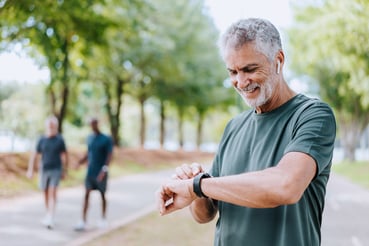 Improving your running time and efficiency can seem overwhelming. Whether you are a beginner or well-seasoned runner there is always room for performance improvement.
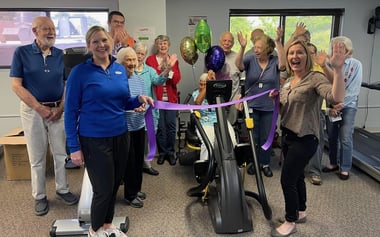 Westminster Village of Terre Haute
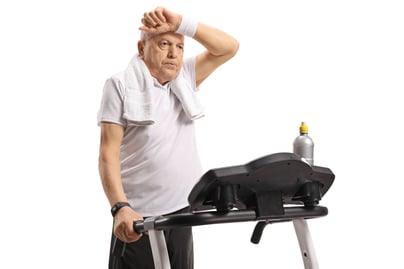 We've all been there – motivated to get fit, only to find ourselves struggling to maintain a consistent workout routine. It's a common hurdle, and the good news is that there are solutions to overcome these challenges. Let's explore four key reasons you might find it hard to stick with your workouts and how to conquer them.
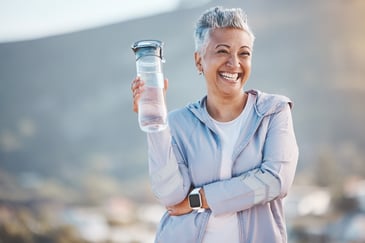 Beginning in the early stages of life, everyone is told to drink water, water, and more water. With everyone instructing individuals to consume more water, what are some methods to increase our water intake? Staying hydrated is vital for the human body to continue to perform activities that we wish to engage in. The human body is roughly fifty percent water, which may emphasize the instruction to consume more water even more than before. We are going to discuss three tips to increase the overall consumption of water so that everyone can reach their desired goals. I encourage you to implement one of the three tips and analyze whether your daily water intake increased. To determine that optimal amount of water your body may need daily, reach out to your primary physician for guidance.
 Imagine a full exercise class, residents upbeat and ready to start, a packed schedule of personal training clients, or hallway conversations about how good the residents feel after exercising. I say imagine because during the cold months, these things aren’t always a reality.
.png?width=315&height=315&name=2024%20PUMP%20IT%20SOCIAL%20(6).png) The National Institute for Fitness and Sport (NIFS) has partnered with NuStep to host a free event on World Parkinson’s Day, Thursday, April 11, 2024, to raise awareness on the benefits of exercise for those fighting back against Parkinson’s. We have a big goal of achieving 10 million steps on the NuStep to honor the 10 million people living with Parkinson’s worldwide.
The National Institute for Fitness and Sport (NIFS) has partnered with NuStep to host a free event on World Parkinson’s Day, Thursday, April 11, 2024, to raise awareness on the benefits of exercise for those fighting back against Parkinson’s. We have a big goal of achieving 10 million steps on the NuStep to honor the 10 million people living with Parkinson’s worldwide.
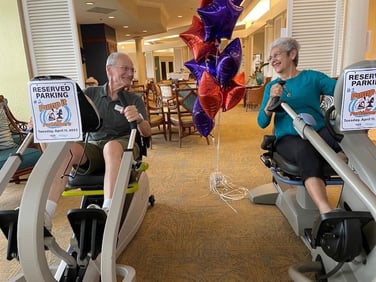 Last year, the only complaint we heard about Pump it for Parkinson’s was several communities heard about it too late and missed out on the fun!
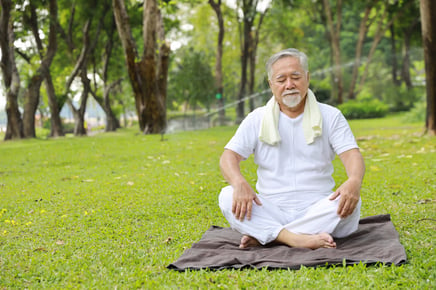 It has often been thought that core strength can only to be achieved through sit ups, crunches, and planks but in recent years there has been a lot more discussion about the way we breathe and how it effects our core. If you participate in 1-1 training or group fitness, you have probably heard your trainer tell you to breathe and brace your core through a particular exercise. What does it mean to effectively brace your core and why is it important? Is it to see your abdominals, provide you strength or to help with your posture? In all reality, we use our core for many daily tasks such as standing tall, getting up off a chair, or even walking. Learning how to brace your core is fundamental in creating a strong foundation for all movements and can also help to aide in injury prevention.
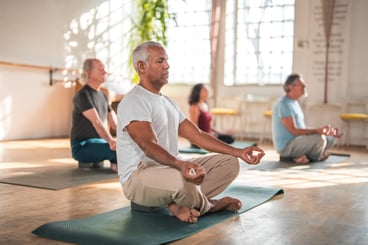 Acute and chronic pain is something almost everyone must deal with in their lifetime whether it is from an injury, overuse, or a degenerative condition such as arthritis. This consideration becomes much more common as exercisers move into the active aging portion of their fitness journey. Meditation in various forms has been shown to provide relief in both acute and chronic situations and in many cases may increase an exerciser’s overall pain tolerance. Techniques that correlate well with pain management are mindfulness meditation, body scans, visualization, guided meditation, and progressive muscle relaxation.