Corporate Fitness and Active Aging

Strength and Balance: How Stronger Muscles Reduce Falls

Working on balance for the reduction of falls should be a part of your fitness journey during your aging process. It is important to talk about strength and the relationship it has with the reduction of falls.

 GettyImages-2223798849An individual walks into my office and asks to work on his balance because he is very fearful of falling. He is 82 years old. I will call him Joe. So, I asked Joe a series of questions. Joe has already been a member (application and consent have been completed) and has had a doctor’s consent to participate in a program for our wellness center. There are sensory deficits that can contribute to balance issues, such as lack of hearing or vision loss. Joe has both. Also, he struggles with getting up from a chair and up and down stairs. He does use a cane.

Joe and I went through a series of tests to assess balance and strength and found some areas that could be improved. Listed below are a few of the tests that could be performed by a fitness professional. Based on these results, an exercise prescription would be provided.

  • Sit-to-stands test
  • Single leg stance test
  • Bicep curl test
  • Timed up and Go test
  • 2- min step test (cardio endurance)
  • Functional reach test

This can be overwhelming at times; steps can be taken to improve his balance and strength. He scored on the lower part of the scale, which is why he struggles with some of his day-to-day activities such as getting out of a chair or walking up and down the stairs. Adding to those day-to-day activities, what if he had a bag of groceries or was carrying something from the first floor to the second floor? That would increase his risk of falling due to his lack of strength. So, the question would be, how can we improve his strength and decrease his risk of falling?

Here are some simple exercises (after a medical consultation) that you can add to his routine to get him stronger and reduce his risk of falling:

Leg-Focused Exercises

  • Sit-to-stand exercises (chair squats to start with to modify)
  • Standing leg lifts (done holding on to a countertop, standing tall
  • Leg lifts lying in bed
  • Calf raises (hold on to a tall chair or countertop, standing tall)
  • NuStep (if applicable -or walking)
  • Balancing on one leg (staying close to a chair)
Core Strengthening Exercises
  • Bridges (can be done in bed, or if you can confidently get on or off the floor, with a mat)
  • Seated crunches in a chair
  • Seated marches in a chair

Since Joe was a new member, I did suggest a beginner-level balance class for him as well. When starting out a new exercise program, pay attention to how you are feeling. Ask yourself, does this make me feel good, do I feel pain, or am I too tired to continue for the rest of the day? It is ok to start slowly. Just remember it is ok to start slowly, but it is also important to know that the most effective way to prevent falls is to strength train and be consistent.

Ask yourself, do you have a strength program? If not, seek out a fitness professional that can help you with your strength journey. This can help you with future injuries and falls. Stay strong, my friends.

Topics: exercise fall prevention strength exercise and aging

Goal-Based Fitness Improves Long-Term Adherence

People find their way to fitness in many ways. Some started playing sports in their schools or travel programs at a young age; others do not feel the need to enter a gym or add cardio sessions to their regimen until their doctor suggests it, well into adulthood. I am a believer that in fitness, any plan works, if you stick to it.

Many miss the opportunities entirely. They never start because they are busy crafting the perfect plan for their end goal; in short, stop trying to refine your AI prompt, in fitness, the first step is starting, above all. The search for the “correct” pair of shoes or the newest gear is a stalling technique (you know it). And that is where our small goals that lead to big results begin. Put on the shoes you have been wearing for months and walk, ride your bike, or hike. Step one must be to start, immediately after visiting your doctor, to make sure they agree that it is a good choice of course.

GettyImages-1356446117While personalization is important (specificity is still my favorite training principle), determination is the real key to long-term success. And, we have found, through study and real-world evidence, the most effective way to complete a big goal is to break it up into smaller pieces and create ‘smaller’ goals that offer reward along the way.

When I have a new potential client come into the office, I have a few questions that I always ask. Ask yourself these questions as you read:

Why? I ask this simple question to get to the root of the desire to reach a fitness goal. Sometimes, they are well into late life. Usually, I find an emotional foundation, and that is generally good. We call it a fitness journey because it is not fast. Nothing that requires perseverance on this level should be called easy, though many in the industry make it look effortless after 20 plus years of athletics. Whatever your reason, let the seed take root and hold on to it. It will keep you going when it is tough.

How much sleep do you get, on average, each night? If the answer to that question is less than seven hours, I make a note and intend to set that goal. This is a baseline need for your body; all your recovery processes are happening while you sleep. If you are in that club, stop telling yourself you are one of the tiny percentage of humans that can live on 2 hours of sleep per night and accept that your telomeres are being run ragged by inflammation that adequate sleep can remedy.

How many minutes of zone II cardiovascular exercise do you get each week? Do not let “zone II” scare you away; this is exercise that you can do while still holding a conversation, and you should be getting at least 180 minutes of it each week. This is a baseline need for your heart, lungs, and circulatory system.

And then I ask about their goal.

So, what is your goal? Have you started already or are you still trying to find the perfect prompt, fit, or gym?

Here are my little wins list that will have you enjoying the long-term adherence phase of your journey before you know it.

  1. Be honest with yourself about your sleeping habits and fix them, if needed. Reward yourself for getting this where it should be. Shoot for 7 hours per night, minimum, and stop the late-night food and drink.

  2. Find your “zone II.” Here is the equation:

  3. Get a fitness assessment, preferably with a professional. You cannot see results without data.

  4. Journal your journey. Your brain will not always give you an honest take in the mirror. Measure, weigh-in at regular intervals (do not do this every day, once per week is plenty. At the same time each week), and write down all your successes. The rewards for this step are built in; you will see what I mean when you fill up your first notebook.

  5. When you reach your 180 minutes of zone II cardio goal, add strength training.

  6. Unless your goal is to put up the gold medal winning total in the Olympics, or run a marathon in a specific time, take a step back from intensive planning. Allow fitness to be integrated into your life; long-term is the goal, it is not the cabbage soup diet (don’t). Have fun, try new things, and keep going.

  7. There will be bumps. Settling back into poor habits because we missed a day of planned cardio or ate poorly over one weekend is a common trap. The key is to get up the next morning and get back to the business of your goal. No hard feelings, no punishing workouts. Just get back to the plan.

Lower limit = 220 - your age (in years) x 0.6

Upper limit = 220 – your age (in years) x 0.7

Then, honestly assess the amount of time you spend in that zone each week. If that number is less than 180 minutes, start increasing your activity level as soon as possible. Add thirty minutes each week until you hit this threshold. Reward yourself when you achieve the goal and keep this new standard moving forward.

Set up an appointment with one of our professional NIFS staff to see where you stand. Get started. Take it slow. Give yourself some grace when it feels tough and remember, it is never too late.

Topics: goal setting longevity health and fitness goals

Building Your Body's Armor

GettyImages-2206518409 (1)Your body needs to be able to handle whatever life throws at it, whether you’re an athlete training for your next competition, a weekend warrior striving for a personal best, or someone just wanting to finish a round of yardwork without a sore back. Progressive Resistance Training is the key to building your body’s natural armor, protecting you from injury while unlocking new levels of performance.

Your body builds resilience only when it is truly challenged. There are three primary ways your muscles adapt: mechanical tension, micro-tears, and metabolic stress.

  • Mechanical Tension: This is the literal "pull" on your muscles when lifting something heavy. Your body responds by strengthening the connections to your bones, making your tendons more resilient.

  • Micro-Tears: When you lift weights near your limit, you cause tiny tears in your muscle fibers. While this sounds negative, it’s the essential signal that tells your body to increase muscle size and density.

  • Metabolic Stress: This is the "burn" you feel toward the end of a set. It’s a mixture of lactic acid and blood rushing to the area. The more you challenge this system, the more efficient your body becomes at managing this response, allowing you to work harder for longer.

When building your body, you need a plan. Jumping in and lifting the heaviest thing you can find is a recipe for disaster. A solid rule of thumb is to increase your total workload by about 10% per week. It’s also vital to listen to your body. If your muscles are painful to the touch, it’s okay to swap a heavy lift for some flexibility work. Remember: your muscles are challenged in the gym, but they grow during recovery.

A progressive training plan does more than just grow your biceps; it makes your whole body more resilient. By sticking to a program, you improve neuromuscular coordination, allowing your brain to recruit muscle fibers more efficiently. You also strengthen your bones. When your skeleton is taxed beyond its normal limits, it is driven to increase its density and rigidity. Perhaps most importantly, every challenging session proves to you that you can do hard things. You’re building mental toughness that carries over into every other part of your life.

Don't wait for the perfect day to get started. Make a plan, track your progress, and start seeing results. Progressive fitness training is the ultimate investment in your future self. Every "hard set" you finish today is a building block for the resilient body you’ll have tomorrow.

Topics: muscle building strength exercise and aging

The Psychological Approach to Overcoming Injury

GettyImages-2182813644Experiencing an injury of any kind can be an immense setback. You went too fast too soon with your program? Had incorrect form that led to the worst possible outcome? Experienced a slight misstep on your run…whatever the cause, experiencing an injury is something up to 40% of active adults will face each year. This leads to physical disruption in your training plans, but sometimes what lingers even longer than the physical is the mental block that occurs—the perceived wall that prevents you from truly getting back on track. When we experience an injury, a physical therapist or knowledgeable trainer often prescribes a program that maps out physical actions you can take to get back to health.

What isn’t often given is a mental map that will aid you in your return—to guide you when you are afraid to do certain movements that you believe will cause your injury to recur, or how to feel motivated when you are back to square one after putting so much effort into getting to where you were. After reading this blog, you will be equipped with an understanding of certain psychological barriers you may encounter through injury rehabilitation, gain knowledge of how to overcome those barriers, and be provided with practical applications in the form of a workbook to sharpen your mental skills.

Known Psychological Barriers

To start, we must discuss what barriers people often face when trying to overcome an injury. The first is one most of us can relate to who has experienced a serious injury—the fear of re-injury. This can be a very real, plausible feeling. As you start your journey to recover, this is something you should keep in mind while going through your physical therapy program. This feeling becomes faulty when the reality of injury recurrence is minimal and we are not progressing with our program. What starts off as a natural feeling that aids in protection and is a wise, modest approach to rebuilding becomes erroneous when your body is capable and you have not adapted your mindset to reality.

This seed that is planted in your mind can become deeply rooted if it is not challenged.

Have you ever accidentally burned yourself on the stove? Maybe as a child, you reached across and felt the stinging heat cut through your skin barrier. Usually, it takes just one time for us to learn not to touch a hot burner. We call this “pain memory.” Our nervous system stores and recalls painful experiences, serving as a protective layer for our body and mind. Our mind can act in the same way when we suffer an injury. It tries to protect us from experiencing the same injury again. Once again, this becomes maladaptive when we are not in jeopardy of injury, but we avoid and dismiss exercise, thus preventing us from progressing or maintaining a healthy training program. Mental blocks, or the inability to continue with a task due to (conscious or unconscious) stress, anxiety, or emotional tension, can be a result of pain memory. This can cause you to feel stuck, confused, frustrated, and irritable—especially when it stems from an unconscious standpoint.

The Mental Comeback Plan

Maintenance
One of the most important shifts during injury recovery is understanding what progress looks like. Unfortunately, many fall into believing that if they cannot train at full capacity (or where they were before their injury), they have lost all their progress. This mindset can lead to frustration, disengagement, and even a complete halt in activity. Rather than getting caught up in what you currently can’t do, shift your focus to “what can I maintain or adapt?” or “what can I still do?” Whether it is training another area of the body, shifting more toward mobility, modifying what type of conditioning you can do, or prioritizing active recovery, these are all ways to continue to progress. The ability to maintain a routine, even while having to adapt a bit, allows your body and mind to preserve your physical qualities as well as your identity as a consistent and committed exerciser.

"I'm here… I'll make some tweaks, some changes, but I'm still coming."
– Kobe Bryant

Positive Self-Talk and the Power of Affirmations
Utilizing short, deliberate statements that reinforce positive beliefs about your body and recovery can aid in counteracting negative thought patterns and ultimately increase resilience. While affirmations alone do not drive recovery, they serve as a useful accompaniment to other psychological tools and training.

Imagery
Imagery is a powerful tool that has been proven (when practiced consistently) to reduce anxiety, accelerate healing, and aid in reducing fear associated with re-injury. By visualizing yourself successfully completing movements or returning to activity, you can reinforce neural pathways associated with those actions. Utilizing imagery to reduce anxiety surrounding exercise or certain movements allows your mind to rehearse the movements before physically engaging in them. This promotes a greater sense of internal control. The more familiar something feels in your mind, the less daunting it becomes when you go to perform the movement or exercise.

Goal Setting
Long-term goals (outcome goals) can feel bleak or distant after suffering a setback in the form of an injury. This is why having a plan ahead of time that considers setbacks is essential, but if you did not plan, this is your time to break your larger, big-picture goals into smaller, process-oriented goals. Instead of focusing on getting back to where you were, think about the daily actions you need to take that lead to weekly accomplishments—maybe that is completing your rehabilitation exercises, showing up to the gym consistently, or steadily measuring and improving your range of motion.

Shorter-term SMART goals allow you to have a sense of direction on your journey to full recovery. Without a map or plan, it is easy to get lost in all that your mind can throw at you. Having a tangible plan allows you to see past your inner doubts and helps bridge the gap between where you may currently be and where you plan to be. Lastly, it is completely okay to shift your outcome goals at any time. What you may have planned before may not match your current state, so give yourself grace and allow yourself to adapt and adjust.

Maintaining a Social Support System
If you are an avid social group exerciser or have a typical group of people you see and converse with at the gym, having an injury can result in something that goes beyond the physical and mental aspects of health. Your emotional health may suffer if you are unable to be around others you were once so used to seeing each week. Though you may be unable to participate as before, it is vital to maintain connections, as social support and accountability go a long way in aiding recovery. Social support allows for a sense of accountability, encouragement, and the feeling that you are not alone in your journey, even if it means you may not be a part of your social network in the same capacity.

Recovery is a journey, and it should never be navigated alone.

Regaining Confidence
Confidence can be one of the first areas that suffers after an injury and can be the last to return. Though you may reach a point where your body is capable, your mind can still hesitate. This is when intentional, small steps become so important. Begin with movements that feel very controlled and safe. As you get back into your lifting routine, start with successful repetitions with proper form rather than high intensity or volume. Confidence blossoms when you can gather momentum. Each successful experience builds into the belief system that movement is not dangerous. Over time, confidence will grow, and your perception will begin to mirror reality.

Practical Application
When you truly think about it, injury has a way of forcing you to slow down, reflect, and rebuild. This can be a challenge physically and mentally, and while it may feel like a setback in the moment, sometimes it can actually be an opportunity to develop a better training style, deeper awareness of your mind and body, and a more intentional routine. This workbook is designed to guide you through the psychological barriers discussed in this blog and aid you in adapting your routine while developing mental skills to assist you throughout your recovery journey.

 Click HERE to access the workbook!

Topics: employee health and wellness rehab recovery

Biomechanics: Understanding Movement to Perform and Move Better

What Is Biomechanics?

In the health and fitness world, biomechanics is a subdiscipline of kinesiology. Kinesiology is the broader study of movement, incorporating topics like anatomy, physiology, motor learning, and exercise science. Biomechanics narrows the focus to examine the structure and movement within the musculoskeletal system, mostly focused on mechanical forces acting on the body.

These mechanical principles come from physics and engineering and help us understand how internal forces like bones, joints, and muscles produce motion. External forces like gravity can also show how they impact the body during movement. Having this knowledge plays a key role in improving performance, injury prevention, and designing sport-specific equipment and training strategies.

Core Principles of Biomechanics

Biomechanics core principles involve kinematics and kinetics. Kinematics is about describing motion, or how things move, without considering the acting forces. Kinetics is about the forces that create motion, or why things move, and includes internal and external forces. Key components of this include understanding motion, force, leverage, and balance. The body functions as a system of levers, and understanding how these systems work together allows for more efficient and safer movement patterns.

Applications of Biomechanics

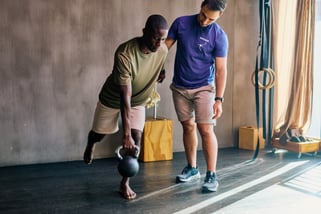
GettyImages-2170016393Biomechanics applies basic principles of physics toward key areas like improving human performance, reducing risk of injury, and designing specific exercise equipment. These insights can help increase speed, efficiency, and power, all great for improving technique.
Biomechanics and Injury Prevention

Biomechanics plays a major role in injury prevention by identifying improper movement patterns like poor lifting or running form. Addressing these issues can reduce excessive joint stress and overuse injuries. Applying biomechanical principles is also important in rehabilitation to help guide exercise selection, progression, and determine when an individual can return safely to activity.

When it comes to creating exercise gear and equipment for sport performance, biomechanics can play an important role. It can help with engineering designs such as making running shoes for certain gaits, prosthetics for replacing missing body parts, and wearable gear that can provide real-time data.

Improving Biomechanics

Improving biomechanics requires intentional work on movement quality, not just strength or endurance. Key strategies involve getting a biomechanical assessment, focusing strength training with quality form, and improving mobility and flexibility. Biomechanical assessments involve having a professional screen movement patterns to identify any imbalances. Weight training with proper form involves reviewing movements during lifts to identify posture issues or inadequate movement patterns. Building strength in smaller stabilizer muscles can help support the joints and aid in proper alignment. Improving mobility and flexibility can also benefit biomechanics by increasing range of motion and improving overall technique.

By bringing the worlds of biological science and engineering principles together, biomechanics allows us to examine all forces acting on the body. This understanding allows practitioners and individuals alike to prevent injuries, improve movement efficiency, and support effective rehabilitation.

By applying biomechanical principles, the general population can move more safely, perform more efficiently, and function better in everyday tasks. Ultimately, biomechanics serves as a foundation to help individuals of all abilities move with more confidence, control, and purpose.

Topics: healthy lifestyle functional movement exercise and aging

The Power of Play and Coordination

Play Isn’t Just for Kids

Play is often seen as something reserved for kids, a way to burn off energy and learn how to socialize. But it’s just as valuable for adults. In fact, play can be a powerful training tool that improves mental processing, reaction time, and the ability to adapt to unpredictable movement.

When we engage in play, we’re not just moving our bodies; we’re training our brains, muscles, and nervous systems all at once. Activities that feel like games help sharpen coordination, reflexes, and decision-making in ways that traditional workouts sometimes don’t.

What’s Really Happening During Play

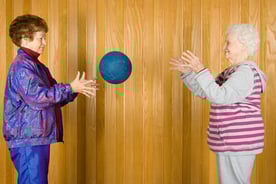
GettyImages-537612269Take a simple game of catch. It may seem basic, but there’s a lot going on beneath the surface.

Using something like a tennis ball challenges motor skills, depth perception, and hand-eye coordination. Add a rule like standing on one leg while playing, and suddenly you’re working on balance, focus, and control. Now layer in the unpredictability of a throw with different speeds, angles, or spins, and your brain is forced to react, adjust, and stay engaged.

This type of play improves:

  • Attention control (focusing on multiple things at once)
  • Cognitive flexibility (adjusting to unexpected changes)
  • Spatial awareness and memory
  • Quick decision-making under pressure

Compare that to a more routine workout, where movements can become automatic and require less real-time thinking. Play keeps the brain actively involved.

Building Creativity and Problem-Solving

As play becomes more complex, it encourages something called divergent thinking—the ability to come up with multiple solutions to a problem.

Players start to experiment:

  • Trying new throwing patterns
  • Changing strategies
  • Creating unpredictable movements

This kind of imaginative play taps into areas of the brain responsible for creativity and planning. It makes the game more dynamic and, in turn, pushes everyone involved to elevate their skills.

Just as importantly, successfully navigating these challenges builds confidence and reinforces a mindset of continuous learning.

The Role of Reflection

One of the most effective ways to deepen the benefits of play is through guided discovery.

After a game, simple questions can help participants reflect and improve:

  • “What were you focusing on when deciding where to move?”
  • “Which throws were hardest to react to?”
  • “How did you keep your opponent guessing?”

This kind of reflection helps connect the physical experience with mental awareness. Players begin to understand not just what they did, but why they did it—and how they can improve.

From Practice Back to Play

After breaking down skills and working on them individually, the next step is bringing everything back into the game.

With repetition, these skills become automatic. That’s the goal! Building reactions and coordination that don’t require overthinking in the moment.

Research continues to show that better coordination and faster reflexes can reduce the risk of falls and everyday injuries. But beyond the physical benefits, play also:

  • Builds confidence
  • Strengthens social connections
  • Keeps movement enjoyable

Why It Matters

When people understand why play is important, it changes how they approach it. It’s no longer “just a game” it’s meaningful, high-level training that happens to be fun.

By giving individuals the tools to reflect, improve, and re-engage, we help them develop skills that last a lifetime. And maybe most importantly, we remind them that improving their health and performance doesn’t always have to feel like work.

Sometimes, it just looks like play.

Topics: active living adding fun to senior fitness recreational activities

Incorporating “Fun” into Exercise

Take a moment and think back to when you were a kid at recess—when you were able to take a break from the classroom, where you could run, climb, jump, and play without thinking about “exercise.” Usually, it was a time we all looked forward to—away from our school desks. Playing tag, jumping rope, shooting basketball with friends, climbing on the monkey bars, and swinging were all staples of recess and are great forms of exercise. Recess is grounded in children having fun while getting adequate daily movement. As kids, fun naturally guided us toward physical activity. So why does that have to change as adults?

Spoiler alert—it doesn’t!!

WC Social Graphics (2)As adults, sometimes thinking about having to carve out time to exercise feels heavy and even unmotivating. We get stuck in our routines, and daily movement becomes another chore to cross off the list. What if you could reframe that mindset? What if movement could feel like adult recess—a time to be creative, play, explore, and try new things? This doesn’t have to be an everyday occurrence. Bringing fun into your routine even a few times a week can help exercise feel more meaningful and sustainable. Here are some ways to make that shift:

Novelty: Trying Something New
Adding novelty to your fitness routine is one of the quickest ways to bring fun back into movement. This might look like trying a themed workout, joining a group fitness class, introducing different equipment, or starting a fresh challenge or program. Your brain loves variety—new experiences activate curiosity, excitement, and reward pathways, which make movement more enjoyable and encourage consistency. When exercise stops feeling repetitive, it becomes something you want to return to.

Trying a Micro-Workout (10-Minute Workout)
If long workouts feel overwhelming, micro-workouts can be a game-changer. A 10-minute workout may feel small, but it can boost energy, improve mood, and break up your day in a refreshing way. These short bursts of movement are easy to fit into a busy schedule and can help eliminate the “all-or-nothing” mentality. Over time, micro-workouts can also build confidence and momentum, making you more likely to add more activity naturally.

Choosing Movement You Enjoy
One of the simplest ways to make exercise fun is to stop forcing yourself into forms of movement you dread. Enjoyment is a powerful motivator. Whether it’s biking, rollerblading, swimming, pickleball, rock climbing, joining a sports league, or taking a dance class—lean into activities that naturally make you happy. When movement feels like “play,” you don’t need discipline to keep going—you keep going because you genuinely look forward to it.

Adding a Social Component
Movement becomes more enjoyable and sustainable when you add a social aspect. Whether you invite a friend to join you for a workout, schedule walk-and-talk meetings, or attend a group fitness class, you benefit from connection and accountability. Exercising with others can reduce stress, increase motivation, and make the experience far more fun. Humans are wired for community—use that to your advantage.

Changing the Environment
A change of scenery can completely shift your experience with exercise. Moving from the machine area of the gym to free weights or a group fitness room, trying a new park or outdoor trail, taking a break from work to do a short “deskercise” routine, or even rearranging your home workout space can make movement feel energizing again. Environments play a huge role in how motivated and engaged we feel. When you switch up your setting, you invite creativity, mental stimulation, and fresh energy into your routine.

Being Mindful
Being mindful during movement means paying attention to how exercise makes you feel—both physically and emotionally. Instead of focusing on how long a workout takes or how many calories you burn, try noticing improvements like a brighter mood, less stress, more energy, or feeling more capable in your daily life. When you intentionally acknowledge these benefits, movement becomes something you look forward to rather than something you feel obligated to do. Mindfulness turns exercise into a positive experience instead of a punishment.

Using Music Intentionally
Music has the power to elevate your entire workout experience. Curate a playlist that genuinely excites you or try matching specific exercises to songs to create a sense of flow and rhythm. Music can increase enjoyment, boost performance, and make time pass more quickly. When the right song hits, movement becomes less of a task and more of a fun experience.

Turning Movement into a Game
“Gamifying” movement can transform workouts from something you “should” do into something you want to do. Try fitness bingo, movement-based challenges, or interactive apps like Pokémon Go or Zombies, Run! These tools tap into your natural desire for reward, achievement, and play. When exercise feels like a game, even small amounts of movement feel exciting and meaningful.

Topics: functional movement workout movement

Managing Peak Mileage

WC Social Graphics (1)As you are training for an endurance race of any kind, it can be very difficult to build up to high mileage and maintain it. The mileage will start to put stress on the body and drain your energy, no matter the good that it still causes. But have no fear, because there are ways to manage this and help the body maintain your abilities for longer. Here are a few different ways this can be accomplished:
Fueled Muscles Are Good Muscles:
Muscles need carbohydrates to produce energy and keep going. They also need protein to rebuild bigger, stronger, and better for the task ahead. Refueling is one of the most vital components to continuing through a high workload period.

The More Sleep, the Better:
The body needs sleep to reenergize, of course, but it is more than that when it comes to endurance training. Just like muscles need protein to heal, they also need sleep to continue making the adaptations required. Other structures in the body that take a beating during this type of exercise—such as bones and soft tissues (tendons, ligaments, etc.)—also need sleep to make proper changes.

A Loose Body Is a Happy Body:
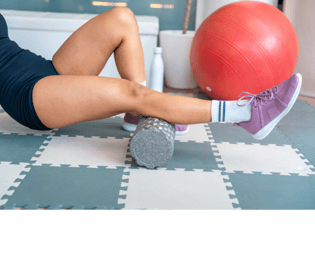
It has been said many times that stretching after a workout is beneficial, and that idea still holds true. Using a foam roller and doing full-body work—or focusing on tighter areas that stretching didn’t address—is another great approach.

Warm It Up:
Getting a proper warm-up that includes not just active movement, but also mobility and activation drills makes activity much more manageable day in and day out—especially during periods of high load.

Make It Easier for Yourself:
There is a reason easy mileage is part of a structured plan. Workouts are meant to be high-intensity days, which means easy days should truly be easy and almost serve as active recovery. The hard days will feel much better if you ease off the gas when the plan calls for it.

With everything, there is always more that is possible. The hope is that these helpful tips make your grind through high mileage a bit easier and more manageable. Those are the moments that count in a training program, so doing the little things can make a big difference.

Topics: running walking 500MilleChallenge mileage

Recovery and Why It Matters

Most people think about setting new personal bests, peak mileage, or even a faster pace. But the people who end up crossing the finish line strong all share one thing: they have mastered the art of recovery.

When training, we generally see two equal parts: effort and rest. While we wish we could train every single day—driven by ambition, feelings of falling behind, or just sheer enthusiasm—the science behind it is very clear: recovery is not a pause in our training. Recovery is our training.

WC Social GraphicsWhile training, we create microscopic tears in our muscle fibers. The cardiovascular system is stressed. Our joints and tendons absorb thousands of pounds of force with each step run and with every repetition. None of that adapts, strengthens, or improves during the lift or run itself. This improvement happens during rest, when your body can rebuild smarter and stronger than it was before. If we skip that process, we don’t just stall our own progress—we run the risk of injury, burnout, and fatigue that makes our end goals seem impossibly far away.

In this, you will learn why rest makes you faster, not slower; the difference in recovery styles; how sleep fuels our performance; and lastly, habits that you can implement in your own life to promote recovery.


The Science of Muscle Repair
Every time we train, we put our body under controlled, deliberate stress. This stress is also known as a stimulus. After providing a stimulus, the “adaptation”—or getting stronger, faster, and more efficient—happens in the recovery phase that follows. Our bodies don’t rebuild to baseline after recovery; they rebuild above it.

If you are just beginning, your muscles need about 24–48 hours to fully repair after a moderate-level training session. If we go beyond that window with another hard session, we are stacking stress on unhealed tissues. Prolonged overuse can lead to many injuries, such as shin splints, IT band syndrome, and stress fractures, which can become a real risk for runners.


Active vs. Passive Recovery
Recovery does not always mean doing nothing. Active and passive recovery both have a place in your training plan.

Passive recovery is rest: sleep, relaxation, and reduced physical activity. After a long run or a hard training session, your body really needs a day with low demand so it can focus entirely on repairing itself.

Active recovery involves gentle movement. This can be a 20-minute walk, light stretching, yoga, or a leisurely bicycle ride. These activities increase blood flow to tired muscles, helping flush out metabolic waste products like lactic acid without adding additional stress. Many experienced runners and lifters swear by an active recovery day between their hard training sessions.


Sleep Is Your Secret Weapon
If you're only getting six hours of sleep a night, there is no amount of foam rolling or nutrition planning that can make up for it. Sleep is when the vast majority of physical repair happens. Growth hormone secretion is at its highest levels during deep sleep, muscle glycogen is restored, and the nervous system resets itself in this state.

For people actively training, we should be aiming for 7–9 hours of quality sleep per night. If you even miss one good night of sleep and recovery, you can see reduced energy levels, lower perceived effort tolerance, and slower reaction time. Before a race or big training event, we need to prioritize sleep in the final week above almost everything else. A consistent pre-sleep routine, no screens for 30 minutes before bed, and a cool room can meaningfully improve both sleep quality and training outcomes.


Recovery Habits for Beginners

Schedule Rest Days
Treat your rest days as non-negotiable in your training calendar—don’t skip them when you “feel good.”

Proper Cool Downs
Helping your heart rate return to baseline will promote a faster recovery process.

Stretching and Mobility
Focus on generally tight areas, including hip flexors, hamstrings, calves, quads, and shoulders. Holding these for 30–60 seconds is ideal.

Foam Rolling
Self-myofascial release is a great way to break up tight or “sticky” muscles and reduce delayed onset muscle soreness after hard training.

Post-Movement Meal
Don’t skip your carbohydrate- and protein-focused post-training meal—it’s a great way to speed up muscle glycogen restoration in the body.

Cold and Heat Therapy
A cold shower or an ice bath can help reduce inflammation after an intense training session. Contrast therapy (alternating hot and cold) can also help accelerate recovery.

Listening to Your Body
Knowing your body is your best recovery tool. Persistent fatigue, soreness that doesn’t go away, or a drop in overall mood are all signs your body needs more time to recover—not another workout or long run.


Training for a lifting competition, 5K, or mini marathon is one of the most rewarding things you can do for your health and confidence. It only pays off when you practice both the effort and the rest. Build your recovery in from day one, and you won’t just reach the finish line—you’ll cross it feeling like you could go further.

Topics: exercise sleep recovery

Why Seated Movement Breaks Boost Productivity and Reduce Stiffness

The impact of prolonged, stationary sitting can pose risks, especially if it lasts more than 6–8 hours a day. Sitting for long periods without movement can cause stiffness, which leads to muscle weakness. It can also slow circulation and contribute to metabolic issues, increasing the risk of metabolic and cardiovascular diseases such as heart disease, type 2 diabetes, and obesity. Despite these potential consequences, there are ways to counteract sedentary behavior. Taking time for seated movement breaks can improve work productivity and help reduce these risks later in life.

Seated movement breaks can boost productivity by increasing blood flow to the brain, which helps improve cognitive function. This can directly enhance memory, attention span, and thinking ability. Movement also helps lower stress levels and releases “feel-good” hormones such as endorphins. Because of this, anxiety levels may decrease. Similarly, seated movement breaks physically reduce muscular stiffness. When you move, circulation increases, allowing blood flow to reach the muscles. This helps prevent muscle filaments from shortening and becoming tight. Movement also benefits the joints by triggering the production of synovial fluid, which lubricates surrounding cartilage and reduces joint stiffness. Sedentary activity lowers metabolism, which can cause a buildup of metabolic waste. Movement helps remove these wastes from the muscles.

Movement breaks can include physical activities that focus on dynamic stretching and posture adjustments. Below are some examples of dynamic movements that can be done while seated.

  • Seated neck rolls can help release built-up tension.

  • Rolling your shoulders backward and forward can help relieve tension and improve posture that may suffer from prolonged screen use.

  • Spinal twists gently rotate the core and help improve circulation.

  • Seated marches or extending your legs up and down under a desk can increase blood flow to the lower body. This helps areas like the hips stay mobile and prevents tightness that can lead to issues such as lower back pain.

Constantly adjusting posture or changing position can help prevent discomfort. It keeps nerves from becoming compressed, maintains steady blood flow, and prevents muscles from going numb. While not necessarily a movement, deep breathing can also help calm the mind and increase oxygen intake for stress relief. It is best to incorporate these movement techniques and postural changes every 30 to 60 minutes to reduce overall stiffness.

Movement, such as stretching or changing positions in a chair, can increase awareness and help break through short-term issues like difficulty concentrating, forgetfulness, and mental fatigue. It also reduces tissue tension, especially in vulnerable areas like the neck, hips, and back. For long-term benefits, regular movement can reduce the risk of cardiovascular and metabolic diseases, supporting a longer and healthier life. Incorporating seated movement breaks every 30 to 60 minutes can significantly improve productivity in the workplace.

GettyImages-2262270048


Topics: exercies at your desk movement corporate fitness planning