
This blog was written by Samantha Whiteside. Meet our blogging fitness specialists at the NIFS website.
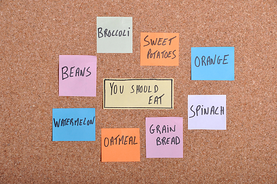 Find it nearly impossible to eat a well-balanced breakfast, prepare nutritious dinners, or snack on nutrient-rich foods? You are not alone! Follow these simple tips on how to plan healthy meals and start eating smart.
Step One: Moderation
Don’t attempt to make too many changes at once. Start with switching to whole-grain breads and sides. Then bring in more vegetables and fruit. Next, focus on lean protein. Then switch to low-fat dairy. Focusing on one thing at a time will ensure that this will be a lifestyle change and not just a fad diet.
Step Two: Research
Use the Internet as a tool to find quick and healthy recipes, foods that are low in calories and full of fiber, and alternatives to typical cookout or holiday dishes.
Step Three: Be Prepared
Plan out your meals a week ahead. Take one day a week to write down what all meals will be and stick to it as best you can. Secondly, cut up all fresh vegetables and put them into clear containers as soon as you bring them home. This will make salads and all other meals much faster to assemble. Additionally, always keep canned vegetables such as mushrooms, beans, tomatoes, and beets on hand for casseroles, soups, and homemade sauces.
Step Four: Choose Color and Variety
Ensure that each meal contains at least two different colors of fruits and vegetables. Different colors provide different nutrients and ensure a well-balanced diet. Additionally, try new things. Introduce a new fruit or vegetable or alternative protein every few weeks. Not only does this keep things interesting, but it expands your knowledge of nutrition and aids in a more nutritious food intake.
Sound reasonable? By doing a little research and prep work, adding in variety, and keeping things in moderation, you will achieve healthy meals on a daily basis and have plenty of time to spare.
 Most people fall victim to mild colds or other bugs in the course of the year, making them second guess whether or not they can still exercise while being sick. Sometimes, when you are sick, you are not physically able to exercise, so the obvious choice is to stay home and rest. But what if you just have the sniffles or a pesky sore throat?
 We’ve seen muscle cramps strike athletes on the basketball court, football field, and during running events, and many of us have experienced them first-hand. This sharp, sudden pain can be so fierce that it is temporarily crippling. A cramp may also be physically manifested by a hard lump under the skin.
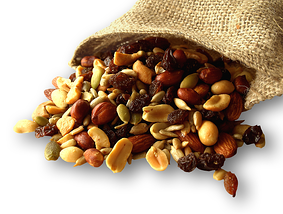 Aim to eat a 150 to 300-calorie snack with a mix of carbs, protein, and healthy fats in between meals. Most likely, this will average out to eating approximately every two to three hours. Consistently fueling your body provides a boost to your metabolism and prevents the overeating that can happen all too easily when you approach a meal with an empty stomach.
 Balance: simple right? I regularly work with a senior population that tells me, “My balance is lost” or “I don’t have balance.” They are under the impression that you either have balance or you don’t.
 With the start of a new year, work schedules can begin to take over. Try as we might to make a permanent slot in our schedules for gym time, appointments and assignments seem to pop up at the most inconvenient times. Often times people tend to believe that just because they don’t have a whole hour to spend at the gym, there is no use in working out at all.