 Did you know by the time we reach age 30 we have reached what is called our “peak bone mass”? According to the American Academy of Orthopedic Surgeons, most of us will reach this peak between the ages of 25 and 30. As we age, it is imperative we are aware of the signs of Osteoporosis and how we can combat these symptoms and risk factors.
It’s estimated eight million women and two million men in the U.S. live with Osteoporosis. But what is Osteoporosis and how can we minimize its risks? Osteoporosis is a bone disease that causes bones to become weak and brittle, increasing the odds of a fracture due to a fall. One in two women and one in four men will experience a fracture due to osteoporosis.
This bone disease is typically referred to as a “silent disease.” Most people are unaware they are living with this disease until they end up seeing their doctor for a broken bone and receive the diagnosis. Another way Osteoporosis can be found is by a bone density scan where your bone mineral density will be measured. The most common test is what is called a DEXA scan. Results from this scan will give you a T-score to determine if you have Osteoporosis. Next, let’s get into treatments and even preventions to help manage and fight off this disease!
While your doctor may suggest medications and supplements, another important factor in aiding the risks of Osteoporosis is exercise. Let’s dive into five key exercises someone living with Osteoporosis should know.
High Knee Marches
This simple yet effective exercise is great for adding light impact into your routine while building stronger bones. For safety, perform this exercise on a foam pad or soft flooring.
How to: Standing with feet hip-distance apart. Bring your knee high, alternating this movement. Work up to one minute of marching.
Brisk Walking Carrying Weight
Make your daily walks into “bone healthy” walks by adding weight. This can be done with a backpack or even carrying dumbbells at your sides.
How to: Start by adding five pounds to a tightly secured backpack. A brisk walk is walking somewhere between 2.75-3.5 mph.
Heel Drops
Add this basic move into your routine for a safe impact movement. For safety, perform this exercise on a foam pad or soft flooring.
How to: With support from a counter or chair, rise onto the balls of your feet and drop your heels to the ground with some force. Maintain slight bend in the knees. Perform 10 repetitions and complete 3 times throughout the day.
Foot Stomps
Adding purposeful foot stomps into your routine is another great exercise for a weight-bearing exercise that benefits your legs, ankles, and feet. For safety, perform this exercise on a foam pad or soft flooring.
How to: Place feet slightly wider than shoulder-width. Alternating, bend the knees and stomp your feet down to the ground. Complete 10 stomps at least 3 times throughout the day. *With foot stomps, think of the force it would take to crush a Coke can. This will be your target force point.
Resistance Exercises
Lastly, resistance training with weights is one of the most effective ways of preventing bone loss and the risks of Osteoporosis. Weight training builds muscle strength and bone mass.
How to: Follow a balanced routine that includes all major muscle groups, rest breaks, and correct form. Avoid high-risk exercises that include jerking or bouncing.
Taking proactive steps through exercise can significantly reduce the risk and impact of Osteoporosis, helping to maintain bone strength and overall health. How can you incorporate these 5 simple exercises into your everyday routine to fight off Osteoporosis?

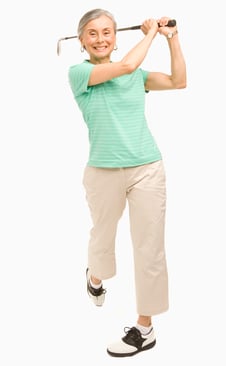 Most folks who have ever participated in balance training know that most exercises seem to involve only the legs. While it is important to focus on our lower extremities during our training, it is important to incorporate the use of our arms for more functional and effective training. Why? Because this will have more real-world applications! For example, practicing single leg stance is important for improving balance but most of us are not going to be in a situation where we must stand on one leg for an extended period of time. We will, however, be shifting our weight from one leg to another, swinging our arms like we do when walking, taking the stairs, dancing, or cleaning the house in real world daily activities.
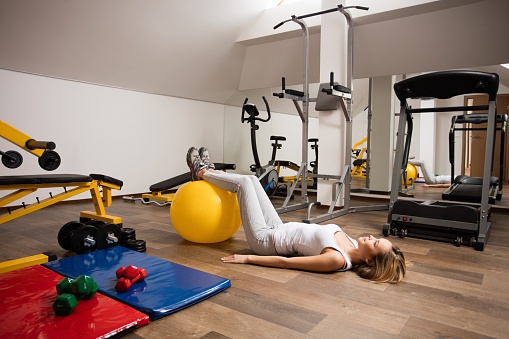 Open 24 hours a day, no membership fees, and no commute; this is what you have to look forward to after you complete your at-home gym! This can be an exciting time, but also overwhelming if you don’t know where to get started on your quest to exercise at home.

 Circuit workouts are a great way to incorporate many exercises, using cardio, strength, or a combination of the two. Changing up stations throughout the workout will help increase your bouts of cardiovascular activity to increase your heart rate. You can either choose to use time as an interval or a set number of repetitions. Don’t dilly dally and move quickly from one exercise to the next, only resting after each full round is complete. Try for at least two rounds, if not three.

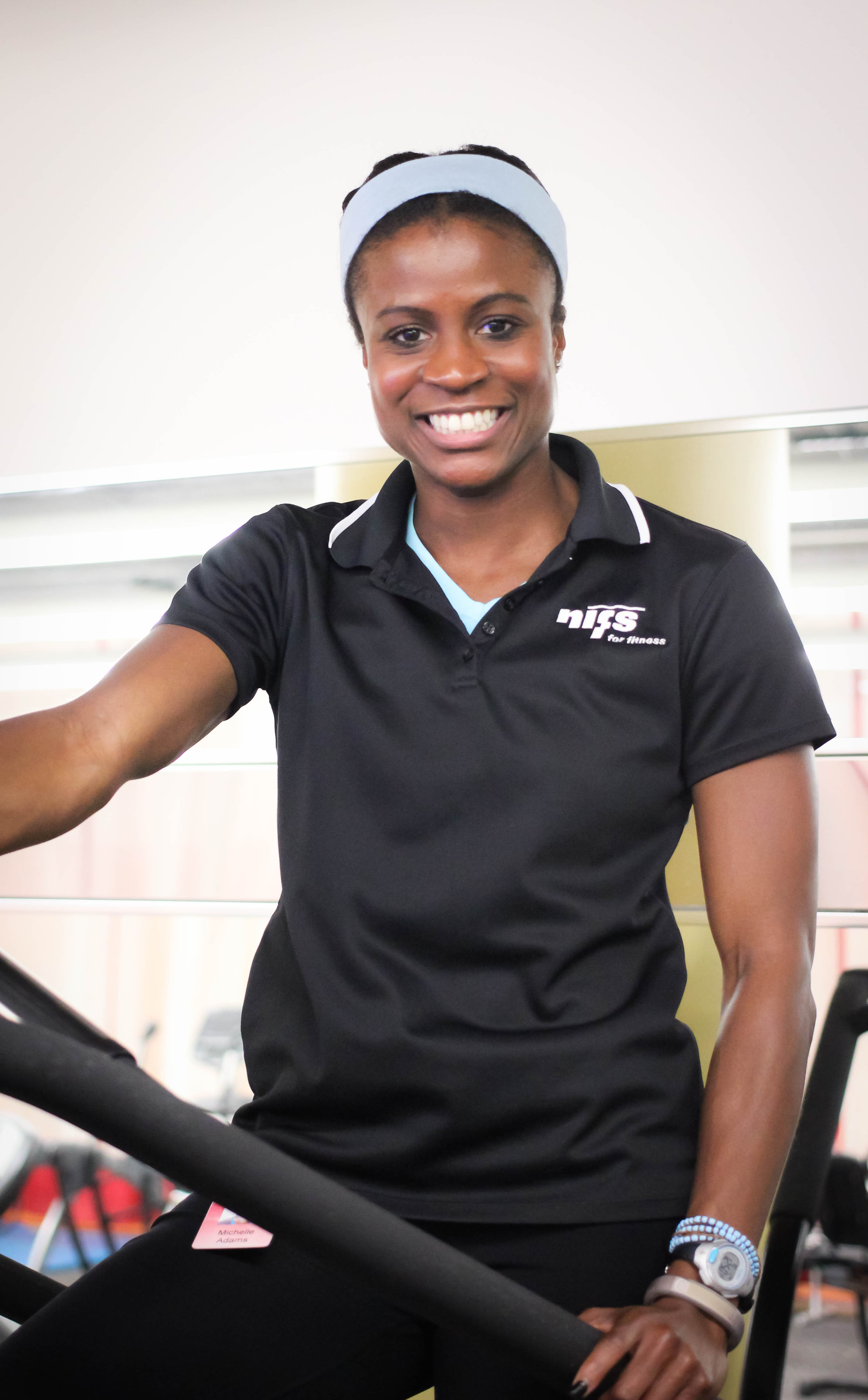 Michelle Adams is a corporate fitness manager in Indianapolis. She began working for
 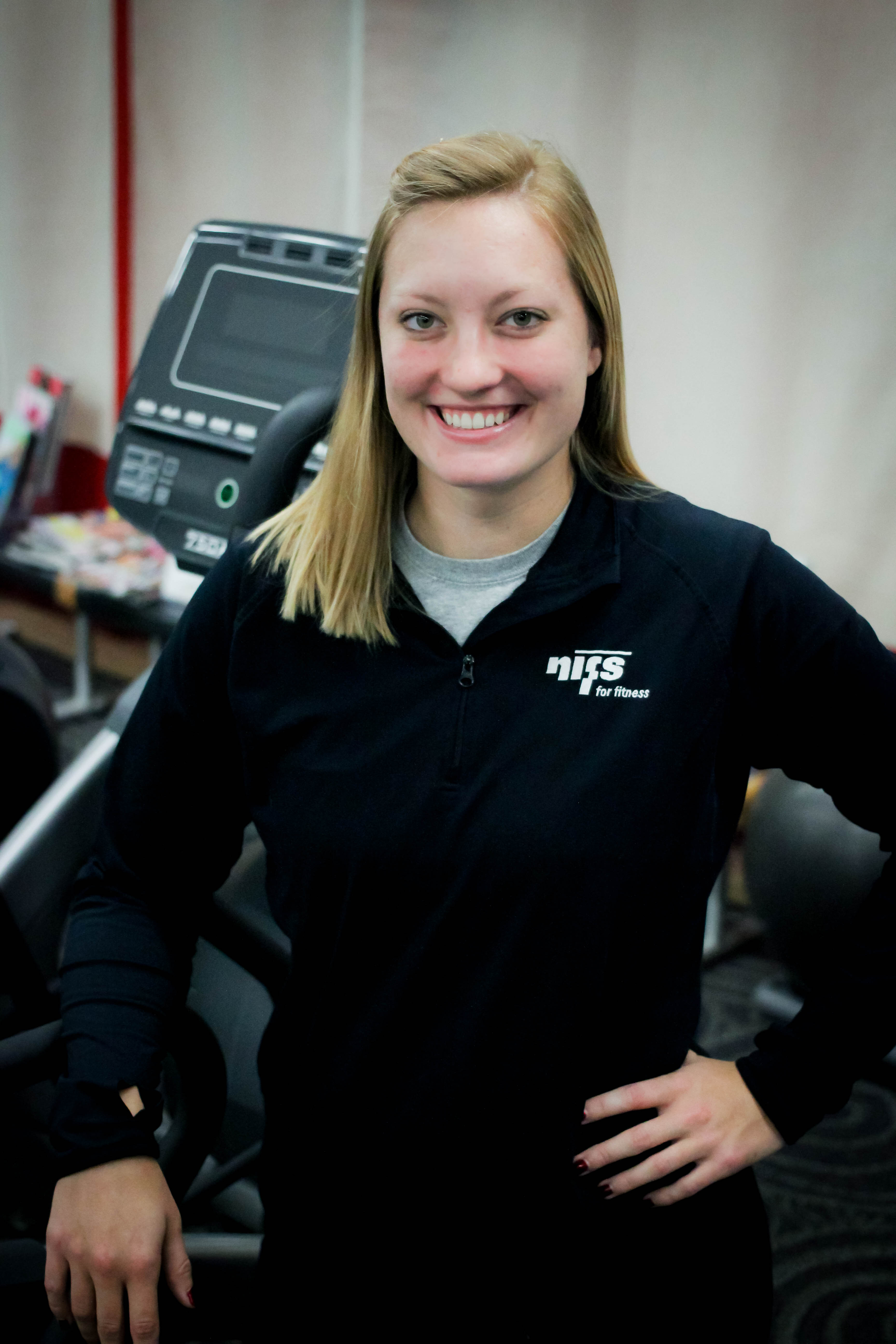 location in Indianapolis. She began with NIFS fitness management shortly after completing her internship with NIFS, Stephanie loves the variety that comes with the corporate fitness setting. She is able to teach classes, personal train employees, and implement health promotion programs. Her favorite part of the job is making those special connections with members to help engage them and keep them coming back. Stephanie is currently certified through the
  Looking for new things to do with your spouse/partner, teenage child, best friend, or even co-worker? A partner band workout is a great way to get some physical activity, work on team building skills, and have fun all in one! Partner band exercises require muscle control from both parties, so you have to pay close attention to the speed and location of your partner. This workout can be done anywhere; hotel room, on the beach, at home, in your office or conference room, in the garage/driveway, etc. All you need is a band to fit your
  I woke up one morning and my obliques were really sore and tender to the touch. I couldn’t figure it out because I hadn’t taught or taken a core class the day before at my corporate wellness site. Then it hit me that the only thing different I had done was sprints. I hadn’t done sprints since track practice, which was a long time ago, but I had no idea how much I use my core! I loved the feeling of my obliques being that sore, so I decided to start incorporating more sprints into my workouts.
 Gardening and lawn work are not only good for cultivating healthy and delicious food and beautiful landscaping, but they are great ways to stay active. Think about all the tools that are used for gardening and yard work: rakes, hoes, wheelbarrows, clippers, shovels, watering cans, and many more. The use of these tools requires the work of all major muscle groups, including your legs, arms, buttocks, stomach, neck, and back.