
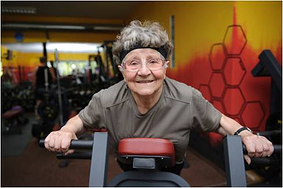
 Regular physical activity is essential for healthy aging! There are two main questions that I am constantly being ask: how much exercise should I do? and how do I find the time to exercise?
The first question is easy to answer. There are specific guidelines that seek to help older adults select types and amounts of exercises appropriate for their abilities. The key word is ability, please know your limitations and make sure you have your doctor’s consent.
Key Guidelines for Older Adults (65 years or older):
- Avoid inactivity. Some is better than none!
- Do at least 150 minutes (2hours and 30minutes) per week of moderate-intensity Aerobic Activity! These include walking, biking, rowing, nu-step, water aerobics, and even dancing. These could be performed in episodes of 10-15 minutes throughout the week.
- Do at least 2 days of muscle-strengthening activities. These include weight machines, hand-held weights, exercise bands, calisthenics, even digging in the garden.
- Do stretching and relaxation exercises as often as possible. Yoga and Tai Chi are excellent choices.
- Do Balance Exercises 3 or more days per week. These include backward walking, sideways walking, heel walking, toe walking, and standing from a sitting position. Remember use support (wall or chair) until you feel more stable. Tai chi also may help with balance and preventing falls.
The second question is always the most difficult because the number one excuse for not exercising is “LACK OF TIME”. Even when one retires it seems that all the coupled activities and events leave little room for that important part of our day “EXERCISE”! No matter how busy you are, someone even busier than you is finding time to exercise. Here are some ways to squeeze in that time.
- Wake up earlier or get to bed later. Sleep is definitely important but you can start your day an extra 30 minutes earlier or end your day an extra 30 minutes later. You have the advantage of making your own time schedule, and you know whether you’re a morning or evening person.
- Cut down on media. Record how many hours of television you watch or how many hours you spend reading or on the computer. Cut out some of that time and you will find you have an extra 10 to 30 minutes to exercise. See Number #3!
- Be an active TV watcher or active listener. Combine exercising with watching your favorite show! They have televisions in Fitness Centers! Books on tape are wonderful in enjoying the time you exercise.
- Walk around! Getting from one place to another by walking there and back is a great way to incorporate exercise. Consider your limitations (using a walker, cane, bad knees etc.) but find ways that promote movement. The stairs, the hallways, standing and talking will burn calories and improve lung function. So take a walk to your retirement community fitness center.
- Make it part of your routine. You brush your teeth, you find time to eat, to socialize, to shower and even to catch up on your favorite television shows or good book. Therefore, make exercise a part of your daily routine, once it becomes a habit it will be something that you don’t even think about you just do it. Before you know it you will be an active member of your senior living fitness program!
- Mix socializing with exercising. Find an exercise partner, a group to walk with outside or in the hallways, even attend exercise classes where there are others on a regular schedule. Motivate someone to join you and have them motivate you.
- Schedule an appointment. You wouldn’t want to miss that doctor’s appointment because you may not get another one for over a month. So why not set a standing appointment with an exercise buddy, a retirement fitness center personal trainer or your dog, and be accountable to exercise on a specific day and time.
- Set a goal. Whether it’s losing weight, gaining weight, standing taller, walking longer or even balancing better. Exercise provides you those results! Think about what motivates you to want to incorporate exercising and start working to achieve your goals!
- Find an activity you love. Not everyone wants to come to the community fitness center and not everyone enjoys attending classes. Dancing, hiking, walking outside and even playing golf provides exercise. Therefore, do what you love but make sure it keeps the body moving!
- Say no. The big one. Look at your priorities and responsibilities. Do you really have to involve yourself in everything on that list? Can you start to say no to specific things that hinder your ability to find time to exercise?

 From the
 By now you've no doubt heard the
 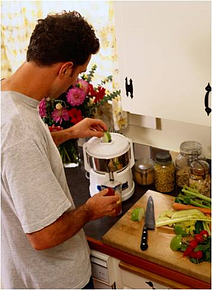 Juicing is the process of extracting juice from the flesh or the pulp of a fruit or vegetable. This technique has been used for hundreds of years as a way to maximize nutrient intake by drinking only the juice of various vegetables and fruits. I wanted to get the New Year off to a healthy start and reset my digestive system, so I researched how to complete a “safe” juice cleanse.
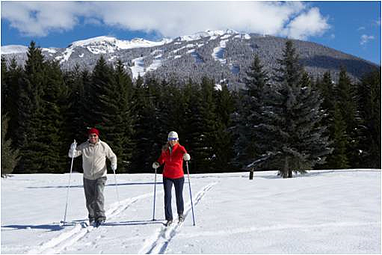 Olympic athletes are viewed as superheroes and celebrities; strong, brave individuals at the peak of their career. The words unrealistic or unattainable may have just come into your thoughts; mine too. After taking a step back and thinking about these superstars, there are many lessons we can learn from them. Years and years of preparation go into becoming an Olympic athlete and it is a full time job. What can we learn from these elite athletes, how can we train like them, how can they be role models to us on a wellness journey? Think about the qualities an Olympian possesses and how you can translate these into your life.
 At our client sites, we’ve been offering walking initiatives for years. After all, it’s kind of the original fitness opportunity at worksites, right? They’re super-simple, generally easy access for participants, and most people can participate. For better or worse, we’ve steered clear of linking the program with pedometers, but we do get a lot of really useful self-report data from participants for the program.
 It's mid-February and you started the year out strong, but have all of your resolutions already departed? Every year, the same two resolutions are shared amongst everyone – exercising and losing weight. Those who exercise regularly prior to New Year’s seem to stick with their same routine, while those who want to start to exercising come January 1st seem to have fallen off the wagon by February. February is month to be aware of your

 The first Friday in February has been designated
 This time of year many people are looking to drop excess weight. In their desire to see rapid results, many start a supplement program such as
  Did you enjoy yourself a bit too much while watching the big game on Sunday night? Did you vow to stop at three chicken wings and one beer? Did the wings and beer turn into a dozen chicken wings, plus two pieces of pizza, and more artichoke spinach dip then you’d like to recall? Despite our intentions to practice some self-control, we all over-do-it with food and alcohol sometimes. Don’t let one night or even several days of poor eating habits discourage you from chasing after the goals you set for yourself this year.
  I attended a webinar a few years ago that suggested that the holiday season now extends from Halloween until the first Sunday in February when we gather ‘round a screen and raise a beer to the football God’s to watch the “Big Game”.