
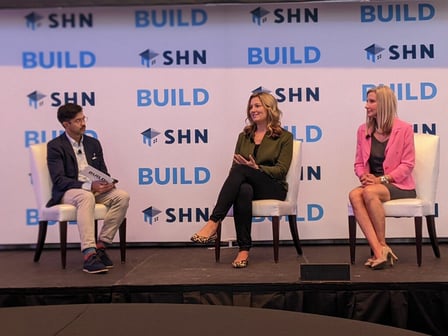
 I had an opportunity to speak as a panelist at the Senior Housing News BUILD conference in Orlando, Florida. The panel was hosted by our good friends at NuStep who have similarly been supporting fitness in the senior living space for decades with some of our favorite equipment. Those in attendance were architects, developers, and designers looking to the future with both renovations and new construction. The panel was on one of my favorite topics – the business case for quality fitness programs in senior living communities. The audience very well could have been marketing and operations executives as the discussion equally applied to all visionaries in the senior living landscape who recognize the demands of their consumers…finding a community that can help them live well.
The design of your fitness amenities 100% matters. Choosing the right equipment is crucial for the safety and success of your residents and there were great insights shared.
These are just a few of the questions posed by the audience and moderator:
- How do you get started in a fitness center design project?
- How do you choose equipment that meets the needs of current residents while appealing to future consumers?
- How can you enhance your fitness center when financing is a challenge for renovations or new construction?
- How are you seeing lifeplan communities support resident wellness through the continuums of care?
Time and time again, our expert moderator Tim Mullaney would ask a question of myself, and co-panelist Annie Shaffer from Sunnyside Retirement Community and we found ourselves speaking to quality staffing being a significant part of the solution to these questions. Do you want to check the box that you have a fitness center or do you want your residents and prospects to feel the energy in a fitness program that is a hub of activity and heartbeat of your community?
When we spoke to getting started with a design project, we began with defining your vision. You wouldn’t open a new dining venue without a vision for the resident experience in that space. What food would be on the menu? What level of hospitality and service would residents experience in that space to keep them highly satisfied? The same is true for the fitness center and a calendar of group fitness classes is not enough. Defining your vision and designing a space around the desired resident experience is a significant piece of the solution to these questions noted above and you need quality fitness staff to evolve your program with resident input and preferences.
What is your community’s vision and how are your showcasing it to create distinction in your marketplace? Don’t go at it alone. Make sure you find a partner who is experienced in developing quality fitness programs and not just selling you equipment. You need that operator perspective to design not only the space, but a program that truly serves your residents.
Learn how NIFS expertise generates a 63% increase in resident engagement in our client fitness centers.
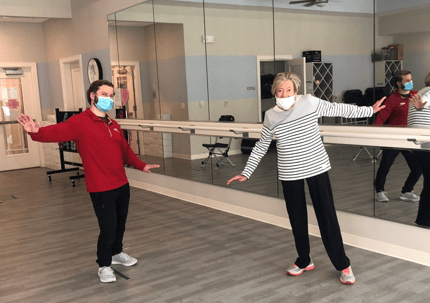 The individualized exercise prescription continues to be a strong driver of resident engagement in fitness programming in the senior living communities we serve. The approach is highly personalized and we have helped residents prepare for vacations with the grandkids, train for an upcoming golf season, focus on balance training, and condition for mountain hiking trips. The unique motivations for residents to begin or adapt their exercise routine are always inspiring. I have been working in fitness in the senior living industry for almost 20 years and the resident success stories we hear never get old and always bring a smile to my face. Hearing about individuals reclaiming their independence, achieving new goals, and gaining confidence is powerful and we are fortunate to work in a field that allows us to play a role in these accomplishments.
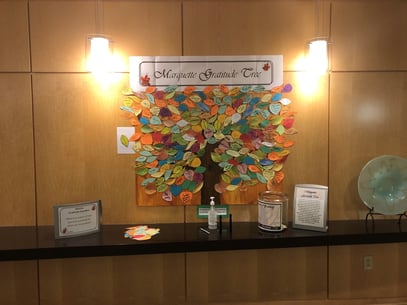 NIFS active aging staff across the country provided a focus on self-care programming for the senior living residents we serve with an emphasis on a variety of avenues to practice gratitude. While 2020 may have left us feeling restricted with so many variables outside of our control, practicing gratitude as a component of a well-rounded self-care routine empowered residents to reflect on the positive aspects in their life and enhance their well-being. After all, research has proven that people who practice gratitude show more positive emotions, demonstrate more kindness, and even have stronger immune systems.