
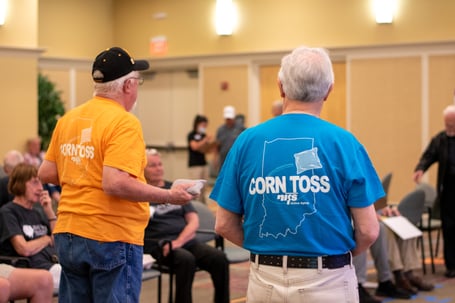
 As we age, staying active is crucial for maintaining our physical health, but an often-overlooked aspect of well-being is the importance of social interactions. For active older adults, combining social activities with recreational activities can significantly enhance quality of life. Recreational activities can be essential to your health in many ways, including the following:
Enhances Mental Health – Social interactions can greatly reduce feelings of loneliness and isolation, common issues among older adults. Engaging in recreational activities with peers provides a sense of community and belonging. This social engagement can lead to lower levels of stress, anxiety, and depression. Studies have shown that older adults who maintain strong social connections have a lower risk of cognitive decline and dementia.
Boosts Physical Health – When recreation is done in a group setting, it often becomes more enjoyable, encouraging consistent participation. Group activities like walking clubs, dancing, yoga classes, or team sports not only improve physical health but also increase adherence to regular exercise routines. Social support can motivate older adults to push themselves a bit more, leading to better overall fitness.
Improves Cognitive Function – Engaging in social recreational activities stimulates the mind and keeps it active. Activities like card games, board games, or even group classes for learning new skills (e.g., painting, crafts, or a new language) can help improve memory, problem-solving abilities, and other cognitive functions. The mental stimulation from these activities is essential for maintaining cognitive health as we age.
Fosters Emotional Well-being – Being part of a social group can provide emotional support, which is vital for handling life's challenges and changes, especially as we get older. Sharing experiences, laughter, and even challenges with friends can lead to stronger emotional resilience. The sense of companionship and the joy of shared experiences can enhance overall happiness and satisfaction with life.
Promotes Lifelong Learning – Participating in recreational activities often involves learning new skills or hobbies. This lifelong learning process is beneficial for keeping the brain sharp and engaged. Whether it's picking up a new sport, learning to play an instrument, or exploring new technologies, continuous learning fosters a sense of accomplishment and purpose.
Creates a Support Network – In later years, having a robust support network is invaluable. Regular social interactions through recreational activities help build and maintain your social network. Friends made through activities can offer practical support, companionship, and encouragement.
Encourages a Positive Outlook on Life – Regular participation in social recreational activities can significantly improve one’s outlook on life. Being active in a social environment creates opportunities for fun, laughter, and meaningful connections. This positivity can lead to a greater sense of overall well-being and a more optimistic view of aging.
Creating social interaction with recreational activities is vital for the holistic well-being of older adults. It enhances mental and physical health, fosters emotional support, and promotes a positive outlook on life. By staying socially active, older adults can enjoy a higher quality of life and maintain their independence and vitality for years to come. This month our client locations in senior living are engaging in programming centered around recreation and being social. Encourage your friends and fellow residents to get out there, join a group, make new friends, and keep moving!

.jpg?width=413&height=246&name=GettyImages-1392938623%20(1).jpg) Striving to achieve 10,000 steps a day is a great way to move your body more and improve your overall health. Don't let the thought of 10,000 steps hinder you from trying. Start small and work your way to 10K a day this month!
Striving to achieve 10,000 steps a day is a great way to move your body more and improve your overall health. Don't let the thought of 10,000 steps hinder you from trying. Start small and work your way to 10K a day this month! Everyone is always wanting to know what the top trends for health and fitness each year are and in 2023 we are seeing concepts we can get on board with and fully support! Check out these tops trends and why we support and encourage our corporate fitness center members to adapt these trends.
 This month our corporate members are encouraged to pick a goal of 5,000 or 10,000 steps per day to kick of July’s Prove YOU Move Fitness Challenge. Some people cringe at the thought of 10,000 steps per day, but it isn’t just intentional exercise. Have you ever considered how many steps you actually take in a given day? How often are you moving throughout the office or your house? You might actually surprise yourself. Most phones have a Health App, or you can add a step tracker to your smart phone. If you keep your phone on your body throughout the day, it will calculate your movement and track your steps. As you start digging into your phone, don’t get down on yourself when you discover how little you possibly move, remember your phone must be on your body throughout the day to get the best estimate.
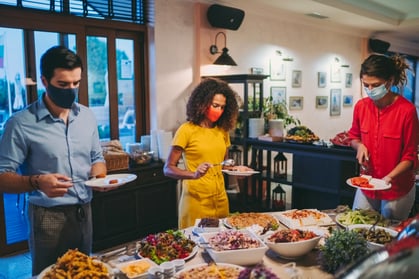 2020 has been bizarre to say the least. As the holiday season and another wave of caution approaches many are getting creative with how they plan to celebrate this holiday season in a more untraditional way. Don’t let the pandemic bring down your holiday cheer or derail your diet. Check out these tips for keeping things light for both your mood and your stomach!
.jpg?width=468&name=GettyImages-638573962%20(1).jpg) The holidays are always such busy times! Managing all the things from day to day tasks, much less the extra holiday parties, celebrations, decorating, shopping, etc. Many times people decide to skip workouts or cooking at home to make time for holiday activities. You shouldn't forgo your normal routine and it's best if you try to maintain some normalcy when it comes to your exercise routine and eating healthy. Take a moment to pause and incorporate even just 30 minutes of activity that includes the whole family.
The holidays are always such busy times! Managing all the things from day to day tasks, much less the extra holiday parties, celebrations, decorating, shopping, etc. Many times people decide to skip workouts or cooking at home to make time for holiday activities. You shouldn't forgo your normal routine and it's best if you try to maintain some normalcy when it comes to your exercise routine and eating healthy. Take a moment to pause and incorporate even just 30 minutes of activity that includes the whole family.