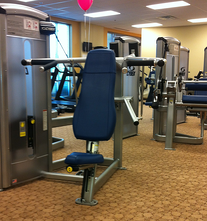
 The New Year often provides the fitness industry with a boom of customers hoping to hold true to their resolutions. Many of those resolutions often pertain to unrealistic weight-loss goals.
Older Adults Exercise for Different Reasons
While we still see a boost in participation at our retirement community fitness centers in the New Year, the resolutions are often for a different reason. Many older adults exercise to maintain a healthy weight or to try to lose weight, but they understand the value in physical activity beyond vanity. As a fitness professional, it is refreshing to serve the needs of older adults in retirement communities who understand the value of living a physically active lifestyle for their overall health and well-being.
When a physically active lifestyle is adopted for the wrong reasons, it can be more difficult to adhere to for the long term. This is likely why the surge in participation in January often trickles off in mid-February at commercial gyms. However, when older adults adopt a physically active lifestyle, particularly one that has been designed for their individual needs, the benefits of that program help them adhere.
Selling the Benefits of Exercise in Retirement Communities
In our retirement community fitness centers, our participation levels gain momentum as the year progresses, and we don’t see that drop in participation. This isn’t all that surprising. We hear feedback from residents stating they have more energy, less joint pain, improved sleep, an easier time performing ADLs, and more overall endurance.
Kick off a motivating incentive program in your retirement community fitness program in the New Year to recruit new residents to exercise and inspire existing participants. Getting the residents started is half the battle. The benefits of exercise can often sell the adherence component for you!



 People everywhere are always searching for the best, most modern training device that will produce great results in the least amount of time. It is likely that you’ve tried the latest craze, yet you’re still searching for something more. Ironically, you may already own one of the most inexpensive yet effective training devices: the jump rope.
 There is never a better time to start than now. Pick up a jump rope and try this FREE workout.
 The holidays are around the corner―time flies! I want to pass along my top five tips to get through those holiday dinners without destroying all the hard work you have put into this thing we call fitness, and still enjoy those once-a-year delights that make life worth living.
  Ever wonder what and when you should be eating to optimize performance and energy levels? Numerous resources are available to the general public outlining
 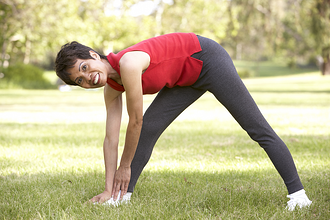 When starting a new exercise program, you may get sore. Muscle soreness comes from the breakdown of muscle fibers. But don’t let that drive you away from the corporate fitness center. Here are four good ways to ease the pain.
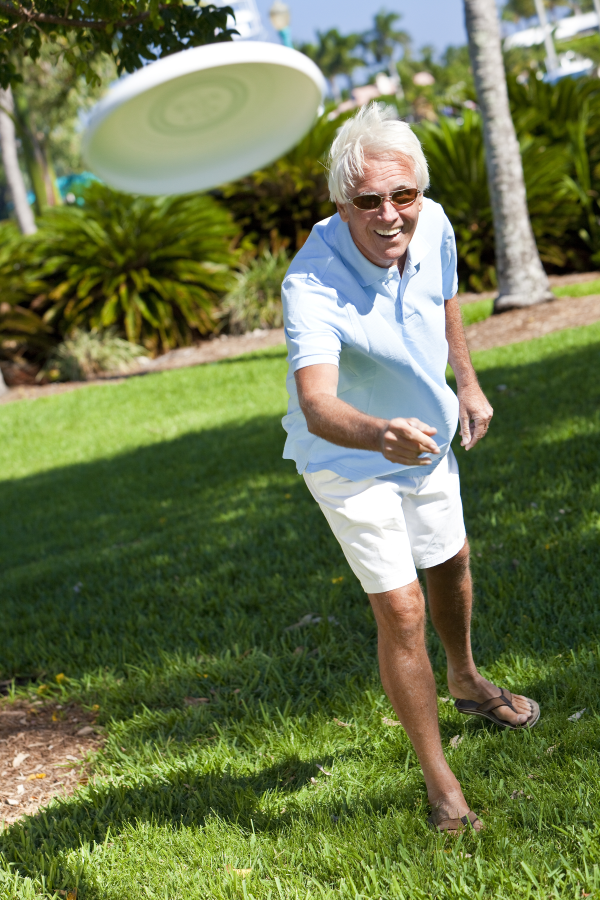 Preparing for a summer vacation? Be sure to bring workout attire! Instead of letting your exercise routine take off several days as well, check out some of the following fitness ideas and embrace the opportunity to be rejuvenated both physically and mentally.
 You know the feeling. The alarm clock is ringing and you're thinking, “If only I had one more hour to sleep.” Americans tend to lose about an hour of sleep per night (about two full weeks of slumber per year), pushing our bodies into