
 Once you have learned basic strength moves separately and have mastered the form for each, consider trying a workout where you combine both a lower and upper body strength exercise into one. Combo exercises have many benefits, such as burning more calories and increasing your physical and mental coordination. They also allow you to pack more into a certain amount of time, making your workout thorough and efficient. On busy days, this can be a good way to squeeze your normal 40 minute workout into 20!
There are many ways you can combine separate, basic strength moves into a combo exercise: upper body paired with lower body, lower body plus core, two arm exercises combined, etc. Even combinations of more than two are possible, for example a squat with a bicep curl into a shoulder press. Get creative, as long as you are using proper form for all exercises. Here are five upper body/lower body combos to try today:
1. Squat w/ tree-hugger - placing a band behind your back (or ancor if possible), sit back into a squat while bringing your extended arms out in front of you as if you were hugging a tree.
2. Deadlift w/ upright row - maintain a straight back while performing the deadlift, as you return to standing position, perform an upright row leading with your elbows.
3. Step-up w/ bicep curl - stepping up onto a box or bench while performing a bicep curl, maintain proper form keeping knee in line with the ankle.
4. Backwards lunge w/ front raise - as you step back into a lunge simultaneously perform a front shoulder raise with manageable weight, strive to maintain proper form.
5. Shoulder press w/ leg extension - can be performed sitting or standing, if standing you will balance on one leg lifting the opposite knee. You will perform a shoulder press while simultaneously extending the lifted leg at the knee and lowering.
Take a 10 minute break today and work through these exercises for worksite wellness. Be sure to complete exercises on both sides where applicable.

 Overcoming a setback in life can be pretty challenging, be it a job loss, divorce, financial distress, or a setback in reaching the health and fitness goals you have set for yourself at the onset of your fitness journey. So what should you do if you happen to gain weight? Body composition results are less than ideal? Mile time is slower? How you we get back on track before slipping any further back into the old behaviors that probably got you to the point of change in the first place?
  In our more than 20 years of managing clients' fitness centers, we’ve filled out our fair share of requests for proposals (RFPs). We’ve seen hundreds of questions, and we’ve written hundreds of pages. (It’s a lot of tree-killing, we know.)
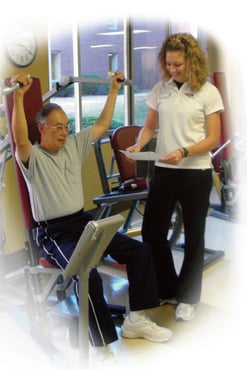 Of course, it’s horribly self-serving for us to say that staffing your onsite fitness center and wellness initiatives isn’t a DIY (do it yourself) project. We’re not above shameless self-promotion, but the truth is, the consequences of making fitness center management a DIY initiative can be costly. Read on to learn NIFS top three reasons to outsource fitness center management of your retirement community or worksite fitness center.
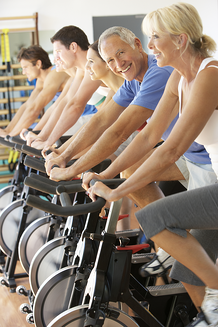 We’ve all learned that exercise can play an enormous role in lowering one’s stress level and boosting a person’s mood. Supervisors in the workforce are no different—regular exercise has been shown to help those in management roles more effectively cope with their stressors.
 “Exercise is boring…,” “I don’t have the time…,” or “I don’t know where to start” are words many have used as excuses at some point or another in regard to a fitness routine or lifestyle change. With the emergence of
 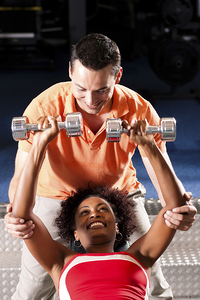 There are many reasons for seeking the help of a personal trainer. Corporate health and fitness specialists can introduce you to an exercise routine, help you break through a rut, or give you the extra boosts of knowledge, motivation, and accountability that you need to achieve the next level in your fitness. But how do you pick a trainer?
 Motivation Ideas
 As the summer months are moving past,
  In the world of technology, time equals improvement and efficiency. Back in the day we had computers that occupied the space of an entire room and Zack Morris–sized cell phones. Now we have computers that fit in the palm of a hand and Zoolander-sized cell phones. It seems that as more is discovered in the world of technology, items have become smaller and more efficient. Interestingly enough, this concept does not seem to apply to people.