
 Reading food labels just became a little bit trickier! If you've gotten into the habit of studying the labels of your favorite foods for nutrition information, here's something else to include: produce stickers. Fruits, vegetables, herbs, and nuts generally bear stickers with special codes that tell the checkout person how much the food costs. But these labels also provide important information about where the produce came from. Here's what to look for:
- Four-digit code number: These types of codes, which usually start with a 3 or a 4, mean that the food was conventionally grown and may have been exposed to different chemicals such as fertilizers and pesticides.
- Five-digit code number beginning with an 8: A code like this tells you that the item has been genetically modified, which means technology has altered its genes. This is done for a variety of purposes, such as boosting immunity to insects, producing a bigger crop, making items appear bigger or tastier, etc. The safety of this practice is debated.
- Five-digit code number beginning with a 9: An item bearing this type of code is organic. If you're looking for your safest bet in terms of avoiding chemicals, this is it.
Wondering when you should splurge for organic? When it comes to peaches, peppers, celery, berries, leafy greens, apples, cherries, and grapes, organic is best. However, foods such as sweet corn, avocados, onions, pineapples, watermelon, mangoes, asparagus, cantaloupe, and kiwi tend to be cleaner even when conventionally grown.
Next time you’re in the grocery store, put your knowledge to the test to see what type of produce offerings it provides!
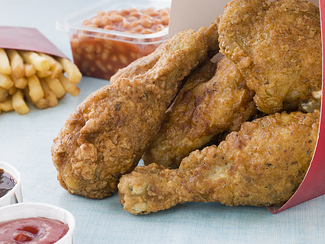 at home, you have more control over its nutritional content and the cooking methods used.
 Body Mass Index (BMI) vs. Body Composition: These measurements are used in the healthcare and corporate fitness worlds to help identify risk for heart disease, diabetes, stroke, and cancer. But which is best? Many experts reason that both tools can be useful in different circumstances.
 The puzzle pieces of successful weight loss or maintenance are not limited to gym visits. They include healthy eating habits as well. Adopting a nutritious diet can seem daunting, so making small changes that add up is often an effective strategy.
 Preparing for a summer vacation? Be sure to bring workout attire! Instead of letting your exercise routine take off several days as well, check out some of the following fitness ideas and embrace the opportunity to be rejuvenated both physically and mentally.
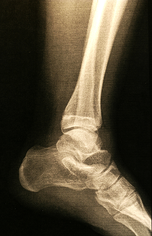 Your joints play an important role in all of life’s activities. They connect bone to bone, which allows your body to move during everything from sports and exercise to everyday functions such as playing with kids, lifting groceries, performing yard work, and even sitting at a desk.
 Do you find it difficult to make exercise part of your daily routine? You may be surprised at just how easy it is to squeeze in bouts of activity. Lunchtime is one such opportunity. Not only will you torch a few calories, you’ll tackle your afternoon tasks with a clear mind and increased energy levels.
 As gas prices creep higher and you’re forced to dig deeper into your pocketbook, it can certainly be difficult to look at the bright side of what seems to be that inevitable price spike as the weather warms up. However, the next time you grudgingly fill up your tank, ponder the health benefits that are to be had as a result of higher prices.
 The small study, conducted at the University of Texas, found a decrease of almost 10 mm Hg in the systolic blood pressure (the number “on top”) of seniors who had borderline high blood pressure but were not receiving any type of treatment for their condition. As a bonus, researchers also found improved elasticity in the arteries of the participants, which is beneficial for preventing stroke and heart disease. These positive results were exhibited after three to four days per week of various swimming exercises for a total of twelve weeks.
 This blog was written by Anna Hiple. Meet our blogging fitness specialists at the