
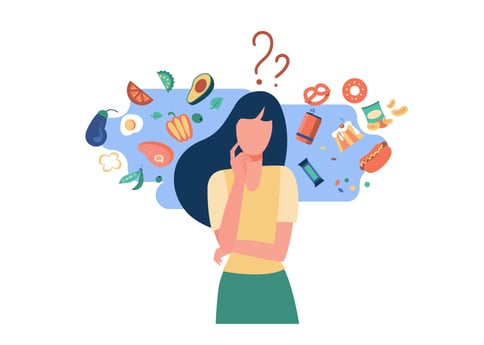
 It’s no secret that our emotions impact what we eat, when we eat, and how much we eat.
In fact, sometimes it seems that the strongest cravings hit when our emotional and mental
wellbeing is at its weakest. Emotional eating is a way to, in the short term, relieve or suppress
negative feelings, such as sadness, stress, anger/frustration, and/or boredom. However,
emotional eating can also lead us to make poor food choices, such as skipping or forgetting meals, consuming fast food frequently or consuming alcohol and/or caffeine in excess, all which may have health consequences, including unintentional weight gain. To help prevent emotional eating, focus on the following steps:
Identify the difference between emotional hunger and physiological hunger.
- Emotional hunger typically comes on suddenly with an urge to resolve the
“hunger quickly”, often involves a desire for a specific type of food or food group,
and usually results in overeating. In contrast, physiological hunger tends to be
more gradual, allows us to stop eating when we are full, and doesn’t typically
cause guilt that is experienced with emotional hunger.
Establish a healthy eating routine.
- Aim to eat two to three well rounded meals each day. Meals don’t have to be
complicated: the easier and quicker = the better. Try pairing a protein source
(chicken, salmon, ground turkey or lean beef, etc.) with various grilled, roasted, or
steamed vegetables and seasonings/sauces of your choice for a quick,
inexpensive and easy meal! - Ensure you’re consuming enough of the right foods. Consume plenty of fruits,
vegetables, whole grains, lean proteins, and low-fat dairy products while limiting
your intake of highly processed foods, added sugars, salt/sodium, and alcohol. - Talk with a registered dietitian to develop a healthy eating routine that meets your
individualized needs while helping to manage causes and symptoms of emotional
Manage overall stress.
- There is evidence to suggest that increased cortisol, the hormone released
during stress, may result in an increased appetite, leading to overeating and
potential weight gain. Rather than turning to food for comfort, be sure to control
stress by journaling, exercise, practicing mindfulness/meditation, and/or social support.
 With inflation at a 40 year high and grocery costs up close to 11% when
 Halloween is just around the corner, and we all know what that means: candy… almost everywhere! While candy is a tasty treat, as with most things, too much can have its consequences. Most candies provide very little nutritional value and are full of added sugars, one of the nutrients the 2020-2025 Dietary Guidelines for Americans suggest most individuals limit in their diet. Added sugars provide calories (4 calories/1 gram of sugar) and when consumed in excess, can result in dental cavities and difficulty achieving a healthy dietary pattern within an individual's caloric limits, which may result in unintentional weight gain. However, this doesn’t mean you shouldn’t or can’t indulge in foods containing added sugars, like Halloween candy! Instead, the Dietary Guidelines for Americans provides a recommended daily limit for added sugars, advising individuals to consume no more than 10% of their daily caloric intake from added sugars. For perspective, someone who consumes 2,000 calories/day, should consume no more than 200 calories from added sugars, or less than 50 grams of added sugars each day. This year, be mindful of how many grams of added sugars you’re consuming from Halloween candy and try to keep your total daily added sugar intake below what is recommended based on your recommended caloric intake.
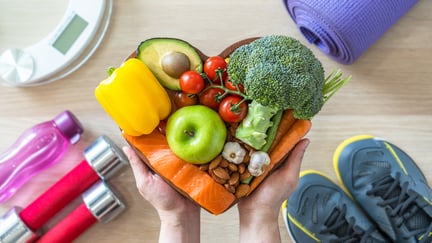 Fueling your body before and after exercise is essential for ensuring you will have enough energy to both perform and recover. However, it is important to choose the right foods, and to consume them at the appropriate time, to optimize your nutrition. What and when you eat varies depending on the individual and their preferences, the type of activity being performed, and whether the food is being consumed before or after physical activity.
 We all know it’s essential to stay hydrated in the summer and that the best way to do so is by drinking plenty of water. But is there a certain type of water, such as “alkaline” water, that offers better hydration? Here’s what our RD has to say.
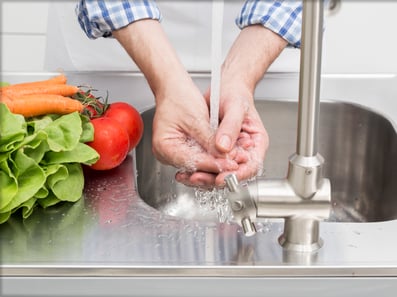 Wash your hands.
 Did you know federal law doesn’t require the potency, purity, efficacy, or safety of dietary supplements to be proven prior to being put on the market? In fact, most dietary supplements are already being sold before the Food and Drug Administration’s safety monitoring role begins. This means you could be taking a supplement that doesn’t even contain what is listed on the label, or that contains significantly different amounts than it claims to contain. This is concerning, as data from the National Health and Nutrition Examination Survey conducted in 2017-2018 revealed that close to 60% of U.S. adults reported taking a dietary supplement within the last 30 days, and this percentage is predicted to be on the rise.
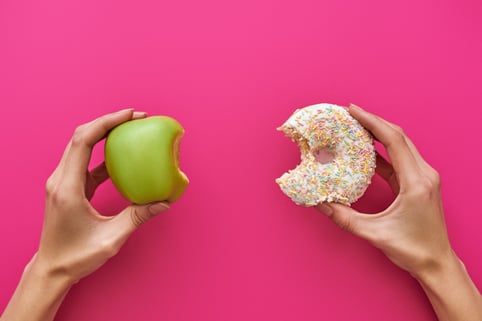 There is a very clear, well understood relationship between food and physical health, but
 At some point in our busy lives we eat a quick meal, or get so busy we forget to eat. Our jobs can leave us working while eating lunch, not truly taking the time to sit for the meal. Check out these four "not-so-healthy" habits and how you can work to fix them to avoid overeating during your meals.
  Eating out at restaurants or on the go doesn’t have to break the calorie bank or bust your diet. Here are some tips and tricks for keeping your order healthy when eating out: