
This blog was written by Mechelle Meadows. Meet our blogging fitness specialists at the NIFS website.
 As corporate health/fitness specialists, we see our clients giving it their all in the gym Monday through Friday. Then, something called the weekend happens.
Generally speaking, most people take a break from exercising in their corporate fitness center on the weekends. While it can be a good idea to devote two days to recovering from a week of hard workouts and busy work schedules, weekends also present several opportunities for unhealthy eating. Talk about a double whammy!
Keep Up Your Exercise Momentum
Remind your corporate wellness clients that while they should rightfully enjoy their weekends, they should also practice moderation, so that when Monday morning rolls around, they don’t feel like their fitness levels are back at square one. For those with weight-loss goals, in particular, the lack of exercise Saturday through Sunday combined with the increase of calories can do enough damage to negate all the calorie burning done Monday through Friday.
Watch Your Sodium Intake
Aside from the high-fat and high-sugar foods and beverages that are consumed on weekends, this article from the Men's Health blog points out that sodium is also the culprit of weekend weight gain. Pizza, nachos, candy, sodas, and other junk food or restaurant selections often include loads of sodium, causing bloating and water retention that reflects on the scale.
Tips for Staying Fit on the Weekends
Here are tips to keep the weekends guilt-free and the scale happy:
- Rather than indulge in everything, pick one to three of your favorite “splurge” foods to eat during the weekend (in reasonable portions), while keeping the rest of the diet in check.
- Use Saturday and Sunday for recreational activities with family members or friends, such as gardening, softball, or hiking.
- If you do plan on exercising on the weekend, do it first thing on Saturday morning before excuses or other plans ruin good intentions.
 As gas prices creep higher and you’re forced to dig deeper into your pocketbook, it can certainly be difficult to look at the bright side of what seems to be that inevitable price spike as the weather warms up. However, the next time you grudgingly fill up your tank, ponder the health benefits that are to be had as a result of higher prices.
 Do you sometimes feel tired after work, but your children have plenty of energy to burn off? Do you find it difficult to find time for fitness and family life? Try combining them for a new, fun outlook on physical activity. You and your children will benefit! It helps them burn off energy and you will hopefully gain some energy.
 At lot of women shy away from strength training for fear of bulking up. But strength training is especially important for women to help build strong and healthy bones. Because of our low levels of testosterone, most women can’t bulk up. Strength training will also help to burn more calories and fat while at rest. Here are some more reasons why strength training is important for women:
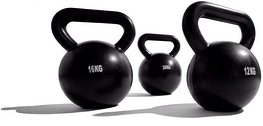 Kettlebells have a comfortable, easy-to-use handle, which I feel is a little safer if you are swinging them around your head, although others may think because the weight is on the bottom, one slip of your grip could lead to an injury.
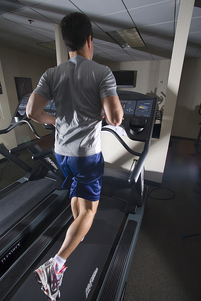 Your
Your 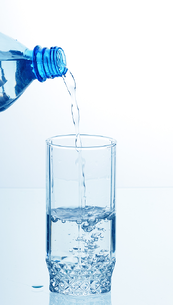 There is no doubt about it: water is good for you in several different ways. How much water is needed per day varies from person to person. Water needs vary because you need to take into account how active someone is or how much they sweat on average. So if the staff at your onsite corporate fitness center makes you sweat a lot during class, you need to be sure to drink plenty of water throughout the day to stay hydrated. Not drinking enough water can decrease your energy level and cause health issues.
 With the holidays fast approaching, we are rolling into a busy and hectic time of the year. Stress can take a heavy toll on employee health. Here are some quick and easy ways your employees can de-stress and rebalance their minds and bodies.
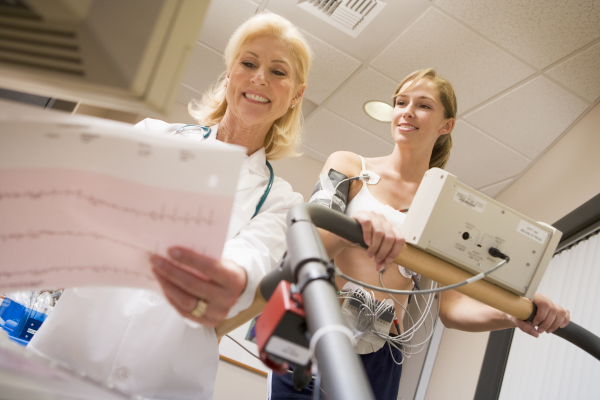 Ever wonder what “METS” stands for on the treadmill, bike, or elliptical? Simply stated, a MET (also known as the metabolic equivalent) is a unit of measure that quantifies the