
This blog was written by Penny Pohlmann, MS. Meet our blogging fitness specialists at the NIFS website.
 For many years statements like “a calorie is a calorie” and “everything in moderation” were uttered by many health professionals to explain that in regard to weight loss, controlling total calories consumed is the most important factor. That is to say, it does not matter what you eat; whether it be a salad or a fried chicken leg, as long as your total calories remain below a certain number, you will lose unwanted pounds.
Research now suggests that this is not necessarily true. All calories are not equal, and the source of calories does much to help or hinder our weight loss efforts.
Data from a study that surveyed 122,000 men and women for 20 years found that more significant weight gain was linked to the consumption of potatoes (chips, baked, fried, or mashed), sugar-containing soft drinks, butter, refined grains, desserts, processed red meats, and fruit juices. In fact “a single-serving bag of potato chips added to one’s daily intake tacked on 1.69 pounds over 4 years.” Additionally, the study participants who experienced weight loss reportedly ate more yogurt, fruit, nuts, whole grains, and vegetables. The reason for this is simple...the body uses more energy to break down nutrient dense foods than it does to metabolize processed items.
It is becoming more and more apparent that what we eat is just as important as how much we eat. What can you do to help your employees make the most nutritious food choices? Adding healthy vending options and cafeteria discounts on fresh fruits and vegetables is one option. Implementing a well-rounded workplace wellness program can be a great resource for educating your employees about making the best choices when it comes to mealtime and incorporating exercise for weight loss and preventing weight gain.
 As soon as the fall season hits, flu shots are all the buzz. Pharmacies across the nation start advertising the vaccine and we start to provide cold and flu information in our corporate wellness centers. This year, you may want to start your planning earlier. Not only is it important for your corporate wellness clients to get the vaccine; you should get one for yourself, too.
 Shift work is anything outside of the normal 8am to 5pm workday. Millions of Americans perform shift work. If you are a shift worker, your health could be in jeopardy.
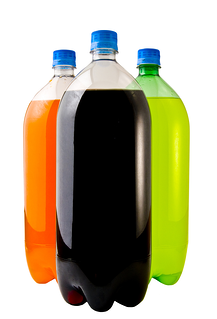 In 2010, the average American consumed over
  Financial Problems Cause Stress
 Habits are hard to break. This is especially true when it comes to your health. It’s very easy to fall into routines of not exercising, late-night snacking, eating out, watching several hours of television, and so on. In addition to diet and exercise-related health rituals, other behaviors that can be detrimental to health and similarly very hard to break free of include smoking, excessive alcohol consumption, excessive caffeine consumption, and self-loathing (or having a negative self-image)…and we all know how hard those can be to overcome!
 Motivation Ideas
 With more and more studies indicating just how dangerous to health sitting at a desk can be, incorporating small bouts of physical activity throughout the workday is as important as ever.
 It’s probably just my desire as a wellness center manager at a Continuing Care Retirement Community for the
  As the summer months are moving past,