Corporate Fitness and Active Aging

Technology and Obesity

This blog was written by Melissa Cusick. Meet our blogging fitness specialists at the NIFS website.

obesity, health and wellness, technologyIn the world of technology, time equals improvement and efficiency. Back in the day we had computers that occupied the space of an entire room and Zack Morris–sized cell phones. Now we have computers that fit in the palm of a hand and Zoolander-sized cell phones. It seems that as more is discovered in the world of technology, items have become smaller and more efficient. Interestingly enough, this concept does not seem to apply to people.

In 1995 when the United States began tracking obesity rates, Mississippi had the nation’s highest adult obesity rate at 19.8 percent. Now, 16 years later in 2011, Colorado has the nation’s lowest adult obesity rate at 19.4 percent. As you can see, what used to be the upper end of the nation’s obesity scale is now at the extreme low end of the spectrum. This is concerning because common conditions associated with obesity include but are not limited to high cholesterol and triglycerides, type 2 diabetes, and heart disease, all conditions that can be avoided with proper nutrition and activity.

Nowadays, we have low-calorie options at stores and restaurants, fitness centers popping up on virtually every corner, and educational tools at our fingertips. We can download an app on our tiny cell phones to count calories or find a healthy restaurant or fitness facility, but do we? Something common to the field of technology and humans is that bigger is not always better. What has changed in our society that has influenced the adult obesity rate to increase so severely?

Topics: Fitness Center

Employee Health: How Mood and Personality Affect Nutritional Choices

This blog was written by Jenna Pearson. Meet our blogging fitness specialists at the NIFS website.

We all know that emotional eating can sabotage even the greatest of weight-loss efforts. Typically we envision emotions that coincide with emotional eating to be primarily negative. New research, however, shows that positive emotions can also have an influence on what we choose to eat.

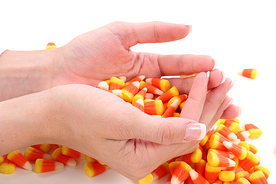
The Journal of Consumer Research recently published findings in an article titled “Helpful Hopefulness: The Effect of Future Positive Emotions on Consumption” that suggest happy people are more likely to snack on candy bars, whereas hopeful people choose more often to snack on fruit.

Personality Traits and Their Impact on Food Choices

happy eating, hopeful eating, nutrition, employee wellness, corporate fitness center managementTo fully understand the relationships that exist between positive emotions and food choices, researchers dissected the traits that classify personalities as happy and/or hopeful. They found that those with hopeful personality traits focus mainly on the future, while people with happy personalities tend to beam from past achievements. In looking toward the future, hopeful people choose more health-conscious snacks, and also exhibit greater levels of self-control than their happy, prideful counterparts who are simply “living for the moment.”

Adjusting Your Attitude Will Improve Your Choices

The relationship between happiness and food choices literally creates an emotional rollercoaster. In addition to the preceding research, scientists have studied the emotional side-effects of food, and have found intriguing results: Participants who consumed apples reported feelings of satisfaction, happiness, and heightened energy, while individuals who ate chocolate cited the same joyous feelings; however, they were closely followed by feelings of guilt.

So what do we make of this? Karen Page Winterich and Kelly L. Haws, the authors of the “Helpful Hopefulness” study offer this conclusion: “The next time you’re feeling well, don’t focus too much on all the good things in the past. Instead, keep that positive glow and focus on your future, especially all the good things you imagine to come. Your waistline will thank you!” Couldn’t have said it better myself!

Many corporations, spurred by corporate wellness initiatives, are going with healthier cafeteria and vending options. What does your workplace offer, candy bar or fruit bar?

Topics: employee health nutrition weight loss motivation

Thomas’ Corner: Get The Most Out of Your Recovery Phase

This blog was written by Thomas Livengood. Meet our blogging fitness specialists at the NIFS website.

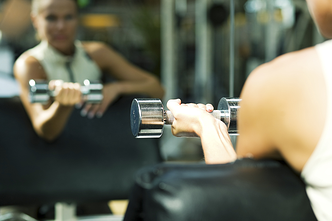
dumbbell training, NIFS, fitness centerRumor has it, you build muscle by lifting weights, doing cardio, and being physically active every day. Okay, that is important along with a balanced nutrition plan; but in reality, muscle is built during your recovery phase.

For those who work out multiple times per day or work the same muscle groups day in and day out and see little or no growth, you may not be allowing your body ample time to rebuild itself. This is also known as overtraining, which can lead to such undesired effects as lack of physical progression, chronic fatigue, compounding injuries, and overall boredom. Keep in mind, most people do not overtrain.

How can you get the most out of your recovery phase? Because you need calories and nutrients to exercise, first plan to consume something before a workout; the window can vary, but at least you have something in the tank. Next, make it a priority to eat sometime soon after you finish; your body is searching for ways to replenish and grow. Finally, rest up. Muscle is built not while you work out, but when you are recovering.

MUSCLEHEADS REJOICE! And evolve.

Topics: Fitness Center Thomas' Corner

Hula Hoop for Weight Loss

This blog was written by Mechelle Meadows. Meet our blogging fitness specialists at the NIFS website.

corporate fitness center management, hula hoop, weight lossThere is truly something for everyone in the world of fitness. Case in point, hula hooping is starting to make its mark in group fitness settings. A study found this activity to use the same amount of energy as walking at a speed of 4 to 4.5 miles per hour—which is a pretty quick pace!

Hula hooping for fitness is not as brand new as you might think. When I attended the 2007 National Wellness Conference in Stevens Point, Wisconsin, one session featured hula hoops, where participants were encouraged to try them out and see that they aren’t just for those under the age of 10.

While many of your corporate wellness members may not gain the same fitness benefits from hula hooping as with a higher-impact activity like running or cardio intervals, this can be a good activity to draw in seniors, children, or even those who dread the idea of traditional exercise machines.

Here are a few ideas of how to use hula hoops in your corporate fitness center:

  • During a group fitness class, set up an obstacle course (outdoors is better, if facilities are available). Many of the stations can be standard workouts, but make one a hula hoop station where participants must keep the hoop up for 10 spins before moving on to the next one!
  • Host a family fun night where corporate fitness center members can bring their spouses and children for a night of recreational activities, including hula hoop, jump rope, football toss, etc.
  • Hold a hula hoop contest to see who can hoop the longest. Sometimes all it takes is friendly competition to encourage people to try new activities!
Topics: group exercise weight loss

Blueberries: More Nutritional Power for Employee Health

This blog was written by Anna Hiple. Meet our blogging fitness specialists at the NIFS website.

employee health, nutrition, blueberriesWe’re right in the heart of blueberry season, so it’s a great opportunity to look at what makes this delicious summertime favorite so nutritious.

Blueberries are constantly receiving positive press, and deservedly so: their antioxidant power ranks them among the top “super foods” that provide vital health benefits. According to WebMD and the American Dietetic Association, blueberries boast the power to help prevent cancer, heart disease, and high cholesterol, and can benefit the immune system, cognitive function, eye health, and digestion. Their antioxidant content and high levels of fiber; vitamins A, E, and C; potassium; and manganese provide these benefits.

Are Blueberries a New Secret Weight Loss Weapon?

If the previously mentioned health benefits weren’t enough to send you hurrying to the produce section of the nearest supermarket, what about the fact that a recent study has shown promise for the blueberry in its ability to fight obesity on a molecular level? According to a recent study at Texas Woman’s University, polyphenols (a type of antioxidant) from blueberries hindered the development of adipose (fat) cells in mice. The effects were dependent on the size of the dose; the highest dose had the most impact on the cells.

Further studies are needed, as the jury is still out on the potential effects of polyphenol doses in humans. However, one can’t help but wonder: is the ability to bottle a blueberry’s nutritional power on the horizon?

In the meantime, the old-fashioned way of consuming your polyphenols through a diet rich in unprocessed foods such as fruits, vegetables, nuts, and seeds (and even wine, tea, coffee, and chocolate!) should certainly be adequate. In fact, Mother Nature may see to it that this remains the best means, as it appears that there are polyphenols that cannot be extracted that are an important part of these foods’ nutritional value.

Healthy and Delicious Ways to Enjoy Blueberries

Think about simple ways that you can add more blueberries to your diet. They make great toppings for yogurt, cottage cheese, ice cream, cold cereal, and oatmeal. Add them to smoothies and fruit salads, or simply enjoy a handful for dessert or a snack. They’re most nutritious in their raw state, but adding them to pancakes, waffles, muffins, breads, and more will still add a sweet, nutritious burst of flavor.

Topics: employee health nutrition weight loss

Effects of Smoking and Obesity on Employee Health and Life Expectancy

This blog was written by Jenna Pearson. Meet our blogging fitness specialists at the NIFS website.

obesity, smoking, smoking cessation, weight lossLife expectancy in the U.S. in comparison to the rest of the world is quite impressive: 78.7 years versus 69.2 years. Much of this difference is due largely to advanced medical and preventative care; however, many analysts worry that this number will soon plummet due to a high population of American smokers and the ever-alarming prevalence of obesity in the U.S.

What would our life expectancy stats look like if it weren’t for smoking and obesity? When you look at each factor individually, it’s plain to see that we would boast one of the highest—if not the highest—expectancies in the world. The facts below speak for themselves.

Tobacco Use in the U.S.

  • The Centers for Disease Control and Prevention estimate that longtime smokers lose about 14 years of their lives to their addiction.
  • Tobacco use accounts for about 30% of all cancer deaths and 87% of lung cancer deaths in the U.S.  
  • Tobacco use is responsible for nearly one out of every five deaths in the U.S., and is the largest cause of preventable death.
  • Secondhand smoke causes nearly 3,500 nonsmokers to die of lung cancer and 46,000 nonsmokers to die of heart disease each year.

Obesity in the U.S.

  • Accompanying obesity are numerous risks and ailments that pose serious threats to one’s health and well-being.
  • Researchers have discovered that overweight and obese cancer patients are at a greater risk of experiencing complications related to treatment as well as premature death.
  • In general, overall mortality increases with a body mass index (BMI) of 25 or more, and a BMI greater than or equal to 30 multiplies one’s risk of premature death—especially from cardiovascular disease—by 50 to 100%.

Is your corporation a tobacco-free workplace? How do your workplace wellness programs help promote tobacco cessation and quitting smoking? How can weight-loss programs help your employees live longer, healthier lives?

Topics: corporate wellness overweight employees disease prevention tobacco cessation

Employee Health: Maintaining Motivation to Meet Fitness Goals

This blog was written by Dan Walker. Meet our blogging fitness specialists at the NIFS website.

Your new year’s resolution fell to the wayside. You set out to lose 20 pounds, start working out regularly, get more sleep, or any number of things. But after a few months (or maybe even a few weeks), you’re back to square one with nothing to show for it. You start out with the best of intentions, but your motivation to change has slowly faded away.

Sound familiar? If you’re like most Americans today, chances are you’ve set up honorable goals related to your health and well-being in the past, but had a hard time staying motivated and gave up shortly after starting. You had the right idea, but not the right strategy for achieving your goals.

social support, motivation, obtaining goalsFour Keys for Maintaining Fitness Motivation

When it comes to maintaining motivation, then, what is the key to helping you do so? There are four important things I’ve found in my own life that have helped me maintain motivation that I’d like to share with you.

  • Have a plan. You won’t just magically arrive at your goal of losing 20 pounds or eating better. Make a plan and narrow down exactly how you will get there and what it will look like. Nothing worthwhile happens without a strategy and a plan.
  • Minimize distractions. No matter what your goal might be, there are plenty of less important things that will try to get in the way. Make sure to periodically “clean out the closet” of your lifestyle. See what needs to stay and what needs to go. Anything that helps move you closer to your goal needs to stay, while anything that distracts you from it needs to go.
  • Form a support network. Having a friend who has the same goal as you—whether it’s weight loss, eating less fast food, or getting to the gym three days a week—can help keep you on the right track. Now you know that if you give up, you let not only yourself down, but your companion in the journey as well. Letting others know your plan can help keep you accountable.
  • Eliminate all-or-nothing thinking. Despite your best intentions, it’s inevitable that you will make some mistakes along the way. Don’t minimize your shortcomings and see them as unimportant, but don’t totally give up on your efforts after a mistake or two, either. See it as part of the process and don’t fall prey to wanting to give up the whole thing after one setback. There will be ups and downs along the way.

Don't Skip Any of These Fitness Motivation Tools

No matter how good your intentions are, chances are you won’t ever reach your goals and maintain them without following the four principles outlined above. You must have a plan in place, focus only on things that line up with your goals, have a network around you to support you, and allow for mistakes along the journey. If you skip any or all of these helpful tools, chances are you will still have trouble maintaining motivation along the way and will minimize your chances for success.

It may seem like a lot of work, but the old proverb, “All hard work leads to a profit, but mere talk leads only to poverty,” couldn’t ring more true here, especially to those who have tried it all before.

Topics: corporate fitness weight loss motivation

Senior Wellness: Tai Chi Helps Fight Depression in Seniors

This blog was written by Samantha Whiteside. Meet our blogging fitness specialists at the NIFS website.

senior fitness, tai chi, exercise, retirement communitiesWith the elderly population only increasing, many senior living fitness centers are looking outside the box for ways to keep their residents moving and their spirits high. Tai chi could be part of the answer.

Tai chi is an ancient Chinese martial art that is practiced for health benefits. It has long been known to reduce stress, but researchers at UCLA recently found that the ancient martial art, in conjunction with a prescribed medication, can decrease depression in seniors.

Over a four-week period, 112 seniors aged 60 or older with major depression were given Lexapro. From those studied, 73 who showed only partial gains in their battle with depression were additionally prescribed 10 weeks of tai chi classes or health education classes for two hours per week.

Although both groups showed a decrease in depression, the group participating in tai chi displayed the greatest reduction. An additional 14 percent, compared to those not partaking in tai chi, were actually placed into a “remission” category. Thus, UCLA’s study shows that mind-body exercise can fight depression in older adults.

What ailments can exercise help your senior wellness program clients overcome?

Topics: group exercise senior wellness programs senior fitness management

What Corporate Fitness Clients Need to Know About Barefoot Running

This blog was written by Mechelle Meadows. Meet our blogging fitness specialists at the NIFS website.

Finding ways to incorporate current trends, or at least educating yourself and clients about them, is key to keeping your corporate wellness programming fresh. So if you haven't experienced the recent barefoot running movement, here's what you and your corporate fitness clients need to know.

barefoot running, employee wellness, fitnessAlthough barefoot running has existed for quite some time, the movement has reemerged in the past couple years. Rather than advertise any special shoe or apparel to enhance your runs, barefoot running followers suggest ditching the shoes completely to run with newfound freedom and a better connection to the ground than before.

Now the first thought running through the mind of your corporate fitness center members is probably along the lines of “Wouldn’t that hurt my feet if I happened to step directly on a rock or hard surface?” Podiatrist Stephen Pribut, DPM (quoted in this article), would agree, saying, “Most of my patients aren’t world-class runners. It wouldn’t make sense for them to risk getting twigs and glass in their feet.”

However, the same article points out that when you are wearing socks and tennis shoes, the body loses some of its proprioceptive awareness. Without the motion-control or stability features of a good running shoe, the foot and leg muscles have to work harder to react to surfaces. From my research over the past year, there is a general lack of strong evidence that wearing shoes is much better for the runner’s stride or biomechanics.

From an injury and liability standpoint, barefoot running is not something corporate health and wellness programs should incorporate onsite. Most fitness centers should hold policies of wearing tennis shoes at all times on equipment. If your runners are dying to try the trend for themselves, suggest they do it on their own time, offsite, on ground that appears to be safe.

Do any of your corporate fitness center members believe in barefoot running?

Topics: corporate wellness muscle toning exercise at home

Pick Red Peppers for a Great Weight-Loss Snack or Side

This blog was written by Lisa Larkin. Meet our blogging fitness specialists at the NIFS website.

Red peppers can play a role in weight loss! Peppers are low in calories, which helps with weight loss. Grab fresh red peppers instead of potato chips as a healthy snack. You still get that same crunch with a lot fewer calories.

Red peppers are mature green peppers. They are mild in taste, which makes them a great snack raw or cooked. Red peppers do not contain any fat, are low in carbohydrates, and are rich in fiber and vitamins C and A. Fiber helps with the digestive system and vitamins C and A help to protect your eyes and skin.

Peppers also contain a chemical called capsaicin, which may help to increase the rate at which the body burns fat. With all these positive things, why wouldn’t you pick up some red peppers next time you’re at the store?

Adding red peppers to your meal will not only add color, but also good flavoring. I like to buy a variety of colored peppers and cut them up in my salads. I’ve also cut up fresh red peppers and made a low-fat veggie dip as a healthy snack when company is over.

red pepper, healthy snacking, corporate health and wellness, senior wellness, fitness center managementJust last night I made kabobs with red peppers and shrimp to put on the grill. Add a little seasoning and you have a low-calorie, low-fat, and fun meal. You can also go online and search for a low-fat recipe to make stuffed peppers. Red peppers are something different to incorporate into your fresh summer meals!

Add red peppers to your salads, omelets, chicken tacos, whole-wheat pasta with ground turkey, or just add peppers on top of your grilled chicken sandwich. Have fun and get creative with red peppers this summer!

Corporate health and wellness programs are making strides in encouraging healthy eating, so look in your onsite cafeteria for these and other healthier options.

Topics: nutrition weight loss