

Corporate Fitness and Active Aging

Corporate Wellness: Is Nighttime Eating a DO or a DON'T?

binge eating, late night snackThis blog was written by Anna Hiple. Meet our blogging fitness specialists at the NIFS website.

Snacking before bedtime has long been a hotly debated subject. Although we’ve learned that weight control is largely dependent on the balance between calorie consumption and calorie expenditure, late-night eating must be done with care. Otherwise it may damage your weight loss or maintenance efforts. Follow these simple tips for nighttime eating.

Nighttime eating is a DON’T if…

  • You eat out of boredom or habit; not because you are hungry.
  • It leads to mindless consumption of excessive calories, especially of foods void of nutritional value such as potato chips, candy, cookies, ice cream, etc.
  • You tend to suffer from nighttime heartburn, indigestion, or acid reflux.
  • You tend to reach for foods that contain caffeine, such as chocolate.
  • You wake up feeling too full in the morning to eat breakfast.

Nighttime eating can be a DO if…

  • Heavy, greasy foods with a high fat content are avoided.
  • It has been several hours since your last meal.
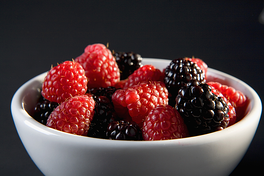
  • The snack is light and nutritious and contains a mix of carbs and protein (examples: whole-grain cereal and milk, a piece of fruit with cottage cheese, low- or non-fat dairy, popcorn, a small turkey sandwich, whole-grain crackers and cheese or hummus, etc.).
Topics: nutrition weight loss weight control

Five Steps to Employee Health During National Nutrition Month

This blog was written by Kara Gootee-Robinson. Meet our blogging fitness specialists at the NIFS website.

March is designated as National Nutrition Month and has been making a healthy impact worldwide for nearly 30 years. Eating healthy does not have to be complicated, time consuming, or boring. All it takes is a little thought and a positive attitude. Follow these 5 tips for a healthier you and a happier dinner plate!

Tip 1: Start in the produce section when grocery shopping.

describe the imageFill the cart with many fresh fruits and vegetables. Fresh produce packs a healthy punch with vitamins, minerals, and antioxidants. Focus on color by rainbow shopping. Look for fruits and veggies that are green, yellow, red, purple, orange, and white in color. The more colors you purchase, the better.

Tip 2: Always have healthy snacks on hand.

Keeping a small stash of almonds, dried fruits, whole-wheat crackers, granola bars, or pretzels in your bag or desk drawer will come in handy when a snack attack hits. Although vending machines are convenient, cravings may take control of food choices, leading to an unhealthy purchase. Be prepared and avoid unnecessary calorie consumption.

Tip 3: Enjoy foods from all five food groups.

Consuming a variety of foods from each food group helps to fuel the body. However, it is important to make healthy choices. Choose foods that will be both filling and satisfying without sacrificing too many calories. For example, a peanut butter sandwich on whole-wheat bread will be more filling, supply the body with ample energy, and yield less calories than a piece of chocolate cake.

Tip 4: Be knowledgeable about portion sizes and include variety in each meal.

A serving does not mean whatever makes it on the plate. Follow serving sizes on packages and in recipes to help keep calories in check. Using smaller plates will help keep excess food consumption to a minimum. At every meal, foods from the fruit and vegetable groups should take up half of the plate while the other half should be equally divided by grains and proteins.

Tip 5: Drink plenty of water.

Water is essential to the body. Consuming approximately 64 ounces of water daily helps replenish any fluids lost through functions such as sweating, urinating, and breathing. Water also helps the heart to pump blood efficiently. While other fluids such as 100% fruit juice, sports drinks, and tea assist in replenishing fluids, they also contain calories. For a calorie-free way to reload, fill up with H2O.

Topics: employee health nutrition water

Employee Wellness: A Healthy Makeover for School Lunches

This blog was written by Anna Hiple. Meet our blogging fitness specialists at the NIFS website.

With the recent release of new standards regarding school lunches and theischool lunch resized 600r nutrition content, it won’t be long before the food on your child’s plate will be more colorful, more portion-conscious, and more nutritious than ever before. The changes brought forth by the National School Lunch Program, in connection with the USDA, feature the following in lunches at participating public and not-for-profit private schools as well as various child care institutions:
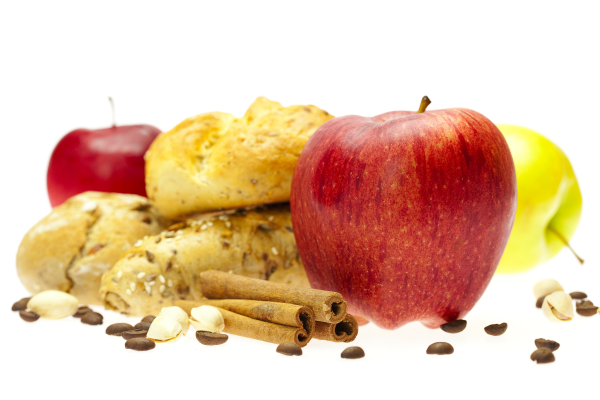
  • Minimum requirements for veggies and fruits, with more choices and an emphasis on color variety

  • More whole grains and less refined carbohydrates

  • Milk choices of either skim or 1%

  • Calorie ranges for different grade levels that promote portion control

  • Limits on sodium and fat content

To better illustrate the improvements being made as the guidelines were introduced, a “before” and “after” menu was provided for a typical day. Instead of pizza sticks, raisins, a banana, and whole milk, the choices were a chef salad with low-fat dressing and a whole-wheat pretzel, choice of raw carrots or cooked corn, a banana, and chocolate skim milk. The healthier menu is certainly more well-balanced, yet reasonably attractive to a child’s appetite.

Plans are in place for a movement toward healthier breakfast and vending machine options as well. With about 32 million children taking advantage of these school lunches in America today, it’s hopeful that the new guidelines will not only help kids be at their best both mentally and physically, but perhaps put a dent in childhood obesity as healthier food habits are instilled at an early age.

Topics: employee health nutrition employee wellness kids

Misunderstood Carbs Are Not the Enemy of Corporate Wellness

This blog was written by Mechelle Meadows. Meet our blogging fitness specialists at the NIFS website.

carbs, sweetsCarbohydrates, carbs for short, is generally a misunderstood term among your corporate wellness members. When people hear the word “carb,” they instantly think of breads, cookies, chips, or other treats that, in their heads, automatically equate to extra pounds on the body. Many fad diets, such as Atkins, focus on the elimination of this nutrient, so it’s no wonder that the general population thinks of carbs as a five-letter dirty word.
There's More to Carbs Than Breads and Sweets

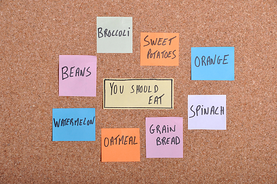
The first step in educating those in your corporate fitness center is to remind them that the carbohydrate food group is much wider than just breads and sweets. This group includes vegetables, fruits, and plenty of healthy grain options. Our bodies are made to function best when carbohydrates comprise about 55 percent of our diet. When we overload on the two other nutrients—protein and fat—health problems can occur.

Carbs Are an Important Source of Energy

Secondly, carbohydrates are the main source of energy for exercise as well as your body’s daily functions. Carbs support your body’s central nervous system, so it’s easy to see why people on low-carb or no-carb diets can have trouble focusing on daily tasks, may become irritable, or always seem tired.

There's a Difference Between Complex Carbs and Simple Carbs

Lastly, educate members on the difference between complex carbs, which are higher in fiber and carry more nutrients, versus simple carbs like refined or processed foods. Steer away from phrases like “good carbs” and “bad carbs,” because both versions can be incorporated into a healthy diet. Carbs are not the enemy!

Topics: corporate fitness nutrition worksite wellness

Employee Health: Planning Ahead for Healthy Meals

This blog was written by Samantha Whiteside. Meet our blogging fitness specialists at the NIFS website.

meal planning, employee health, nutrition, dietFind it nearly impossible to eat a well-balanced breakfast, prepare nutritious dinners, or snack on nutrient-rich foods? You are not alone! Follow these simple tips on how to plan healthy meals and start eating smart.
Step One: Moderation

Don’t attempt to make too many changes at once. Start with switching to whole-grain breads and sides. Then bring in more vegetables and fruit. Next, focus on lean protein. Then switch to low-fat dairy. Focusing on one thing at a time will ensure that this will be a lifestyle change and not just a fad diet.

Step Two: Research

Use the Internet as a tool to find quick and healthy recipes, foods that are low in calories and full of fiber, and alternatives to typical cookout or holiday dishes.

Step Three: Be Prepared

Plan out your meals a week ahead. Take one day a week to write down what all meals will be and stick to it as best you can. Secondly, cut up all fresh vegetables and put them into clear containers as soon as you bring them home. This will make salads and all other meals much faster to assemble. Additionally, always keep canned vegetables such as mushrooms, beans, tomatoes, and beets on hand for casseroles, soups, and homemade sauces.

Step Four: Choose Color and Variety

Ensure that each meal contains at least two different colors of fruits and vegetables. Different colors provide different nutrients and ensure a well-balanced diet. Additionally, try new things. Introduce a new fruit or vegetable or alternative protein every few weeks. Not only does this keep things interesting, but it expands your knowledge of nutrition and aids in a more nutritious food intake.

Sound reasonable? By doing a little research and prep work, adding in variety, and keeping things in moderation, you will achieve healthy meals on a daily basis and have plenty of time to spare.

Topics: nutrition

Snacking Is Good for Employee Health!

This blog was written by Anna Hiple. Meet our blogging fitness specialists at the NIFS website.

Your stomach is growling, you’re having trouble concentrating at work, and you can’t help but count the hours until dinnertime. Sound familiar?

Nix the idea of snacking as a diet disaster and feel free to indulge! As long as it’s not potato chips from the office vending machine or candy in the office, snacking can lead to long-term health benefits and healthy weight maintenance.

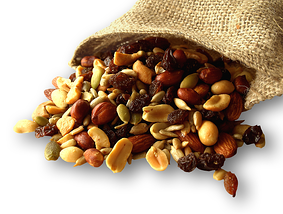
healthy snacks, trail mix, snacking at workAim to eat a 150 to 300-calorie snack with a mix of carbs, protein, and healthy fats in between meals. Most likely, this will average out to eating approximately every two to three hours. Consistently fueling your body provides a boost to your metabolism and prevents the overeating that can happen all too easily when you approach a meal with an empty stomach.

Just remember to compensate for the snacks' calories by consuming smaller meals, so that your calorie distribution remains balanced throughout the day.

Healthy snack options are endless; take a look at the handful listed here:

  • Homemade trail mix
  • Yogurt and granola or fruit
  • A handful of nuts
  • Whole-grain crackers and low-fat cheese
  • Vegetables and hummus or guacamole
  • A piece of fruit—with or without cottage cheese
  • Whole-wheat English muffin and peanut butter
  • Popcorn
  • Protein bar
  • Small cup of soup
  • Small turkey sandwich with veggies on whole-wheat bread
  • Small baked potato with salsa
  • Whole-grain cereal with skim milk

What other suggestions do you have for between-meal nibbles?

Topics: employee health nutrition calories weight control

Employee Health: How Can I Improve My Energy Level?

This blog was written by Anna Hiple. Meet our blogging fitness specialists at the NIFS website.

energy, healthy, wellbeing, funIt’s a new year, and you may be eager to start fresh with new resolutions, goals, and a lengthy to-do list. Give yourself the best chance to achieve success by providing your body with the energy it needs!
All too often we have a tendency to let our tired bodies get the best of us. Try out some of these tips to help keep your energy levels on par with your busy lifestyle.

  • Get plenty of sleep. Turn off the computer, TV, and cell phone and turn in early. Grab a power nap during the day, if necessary, which can stave off fatigue.
  • Get moving. Take a brisk walk, complete a quick set of pushups and jumping jacks, or perform some work around the house when you feel your energy lagging. We also tend to skip a planned workout when tired, when in actuality you’ll feel more energized after hitting the gym.
  • Eat smart. Reach for the fruits and vegetables, and avoid refined carbs, which can cause your blood sugar to spike and crash erratically. Eating a variety of nutrients will provide your body with vitamins and minerals (such as iron and magnesium) needed to function.
  • Eat often. Your eating schedule is important as well. Indulge in some breakfast and some healthy snacks between meals, so your body isn’t ever lacking for fuel.
  • Drink up. Dehydration may cause sluggishness, so be sure to hydrate throughout the day.
Topics: employee health exercise nutrition New Year's Resolutions in Action energy level

Employee Health: How to Drink More Water Throughout the Day

This blog was written by Lisa Larkin. Meet our blogging fitness specialists at the NIFS website.

drink more water, water consumption, healthyThere is no doubt about it: water is good for you in several different ways. How much water is needed per day varies from person to person. Water needs vary because you need to take into account how active someone is or how much they sweat on average. So if the staff at your onsite corporate fitness center makes you sweat a lot during class, you need to be sure to drink plenty of water throughout the day to stay hydrated. Not drinking enough water can decrease your energy level and cause health issues.

Key Reasons to Drink More Water

Here are some key reasons why you should drink more water:

  • To stay hydrated and keep energy levels up.
  • To help with muscle recovery after a hard strength workout.
  • To help with digestion.
  • To make you feel full so you eat less.
  • To lubricate the joints for less pain.

Tips for Drinking More Water

I try to keep a full water bottle on my desk while at work. Before I know it, it’s time to make another trip to the water filter for a refill. Add lemons to your water to spruce it up and add a little flavor. Some days I make Crystal Light, which is a sugar-free, flavored powder that you just add water to. This helps me to add some variety to my water intake. I also like to drink hot tea in the winter.

Surprisingly enough, you get water from food, too! For example, a healthy salad with lettuce and fresh vegetables adds water to your diet. Lower-sodium soups are another good source of water.

What tips and tricks do you have to make sure you're drinking enough water throughout the day?

Topics: employee health nutrition hydration water corporate fitness centers

Employee Health and Nutrition: Pumpkin’s Powerful Punch

This blog was written by Anna Hiple. Meet our blogging fitness specialists at the NIFS website.

pumkins, nutrtion, health, employee wellness, nifsNothing brings about that glorious feeling of fall like crisp air, sunny days, brilliant foliage, football, apple cider… and all foods pumpkin!
The Health Benefits of Pumpkin

We are awed by the beautiful shades of red, yellow, and orange of the changing leaves, but let’s consider nature’s colors in terms of health; did you know that a pumpkin’s deep orange hue is an automatic giveaway that it is a nutrient powerhouse? The next time you indulge in a tasty pumpkin treat, consider what one serving of pumpkin, which is low in both fat and calories, can provide:

  • 100% of your daily value of vitamin A (from the healthy dose of beta-carotene in the pumpkin)
  • 20% of your daily value of fiber
  • A handful of antioxidants that help fight disease

How to Get More Healthy Pumpkin into Your Diet

The type of pumpkin that is generally best for consumption is that which comes from a sugar or pie pumpkin; Libby’s brand specifically uses the Dickinson variety. However, your jack-o-lantern is certainly good for something: its seeds! Roast them in some olive oil and seasoning and enjoy. They contain healthy fats, protein, fiber, zinc, magnesium, and iron. 

For unique ways to sneak pumpkin into everyday foods to make them healthier, check out these ideas. And try these healthier pumpkin recipes that are perfect for a fall day.

Topics: employee health nutrition antioxidants

Employee Health: Healthier Trick-or-Treating

This blog was written by Mechelle Meadows. Meet our blogging fitness specialists at the NIFS website.

The calories found in Halloween candy can be, well, scary! Make this year’s holiday a little more health-friendly for you as well as your corporate fitness participants.

150-Calorie Halloween Treats

This article in October’s issue of Shape magazine lists candy options that fall at or under 150 calories—a reasonable-sized snack. Here are several options for 150 calories worth of treats:

  • 6 Dum Dums suckersemployee health, candy, wellness
  • 3 mini York Peppermint Patties
  • 5 snack-size Twizzlers
  • 3 mini Twix
  • 3 treat-size boxes of Nerds
  • 6 rolls of Smarties
  • 7 Hershey’s Kisses
  • 2 fun-size packs of milk chocolate M&Ms
  • 6 mini 3 Musketeers

Healthier Alternatives to Candy

Looking for an even healthier route for the children who might ring your doorbell this Halloween? Consider alternatives to candy. Several people hand out snacks such as packaged fruit or granola bars. But you can even think outside the box of food. I’ve heard of people who pass out items like small containers of Play-Doh to children, which is well received by parents.

Green Halloween has other ideas for non-candy, non-food, and healthier candy options. See this page on the website for their other treat ideas!

Topics: nutrition