Corporate Fitness and Active Aging

Corporate Wellness and Healthy Cafeteria Choices

This blog was written by Lisa Larkin. Meet our blogging fitness specialists at the NIFS website.

workplace cafeteria, corporate wellnessBy late morning, you’re sitting at your desk and all of a sudden it’s hard to concentrate because of the aromas coming from the cafeteria, and you start thinking about what you want for lunch. Hopefully you’re not located near or in the same building as the cafeteria. I sit just below the area creating all the wonderful smells, and it’s an ongoing battle of what I want to eat and what I should eat. Some may think it makes no sense to have the onsite corporate fitness center located near the cafeteria, but a lot of onsite cafeterias now offer healthy choices.

Of course there will always be the pizza, pasta bar, onion rings, and fries. It may take some willpower and motivation, but spending a few more minutes to search for the healthier options is worth it. For example, a lot of cafeterias now have whole-wheat pasta, veggie pizzas, fresh salad bars, turkey and bison burgers, and more for healthier options. Some locations are now starting to label lunch items that are under 300 to 500 calories. Check with your cafeteria because they may have a punch card that gets you one free healthy item after you purchase 10.  

Need a little help with making healthy choices? Schedule an appointment with your onsite corporate fitness/wellness staff for a nutrition consultation. Write down everything you eat for three days and take that food log with you when you meet with the corporate fitness center staff. Your three-day food log will help us to give you advice on changes you can make when heading to the cafeteria for breakfast or lunch. Schedule that appointment today and start making healthier choices!

Topics: corporate wellness nutrition

Employee Health: The New Happy Meal

This blog was written by Anna Hiple. Meet our blogging fitness specialists at the NIFS website.

healthy choices for kids, sliced applesAlthough it’s hardly what you would call a wholesome meal, the McDonald’s Happy Meal has taken a small step in a more nutritious direction with the addition of apple slices. Apples have previously been an option in the past in place of French fries, but kids will now automatically find a small portion of apple slices paired with a smaller serving of fries in place of the traditional serving of fries.
With the added option of skim milk, there is potential for about a 20 percent reduction in calorie content as compared to the traditional Happy Meal. For fry lovers, special requests for the traditional serving of fries in place of the apple slices will be honored (and vice versa; a double serving of apples is also available).

What Are the Motives Behind This Nutritional Improvement?

Potential arguments explaining why McDonald’s has implemented this change include pressure from the government to combat childhood obesity, a marketing strategy, or even a sincere interest of the company in promoting healthier options.

There are a couple of perspectives to take on the change; on a positive note, regardless of the underlying intentions, the new meal should have at least a small, positive impact on kids by marginally increasing their consumption of fruit in lieu of a sodium-rich, processed alternative. It may help reinforce the fact that fruit is an important part of every meal; however, this must go hand-in-hand with sound nutritional habits and lessons taught by parents at home. Happy Meals can be enjoyed in moderation as a treat for kids who enjoy them.  

New Happy Meal Doesn't Stack up Well According to MyPlate

Sizing up the new Happy Meal in a more negative light, it is clear that the combination of breaded chicken nuggets or a hamburger on a white bun, French fries, apples (only a half-serving’s worth), and soda has a lot of ground to make up in regard to the new MyPlate recommendations. These guidelines present an ideal meal as a plate half full of fruits and vegetables (preferably fresh and unprocessed), a lean protein source, a grain (preferably whole), and a lean dairy item.

Some may wonder how much a change like this would really impact kids’ health and help combat larger issues such as childhood obesity. The unfortunate fact remains that if a child is being raised in an environment where fast food is a staple, there’s a good chance they’re forming bad habits and attitudes about nutrition that could set them up for health problems down the road. There are many more far-reaching issues affecting the health of American kids than the act of replacing a few French fries with apples.

All in all, this slight nutritional makeover of the Happy Meal certainly won’t hurt, but can spur a great deal of discussion. What are your opinions of McDonalds' actions?

Topics: nutrition obesity

Ditching Soda Can Be an Amazing Weight-Loss Strategy

This blog was written by Jenna Pearson. Meet our blogging fitness specialists at the NIFS website.

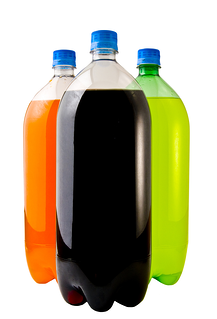
soda, weightlossIn 2010, the average American consumed over 44 gallons of carbonated soft drinks! While this number does include diet beverages, it does not take into account the number of non-carbonated, sugared soft drinks (such as lemonade, iced tea, juice, sports drinks, etc.), which tally up to about 17 gallons per person per year!

Looking at those numbers from a nutritional standpoint is eye-opening to say the least. Here are the facts, according to CalorieKing:

  • A single, 20-ounce bottle of regular soda contains about 250 calories and 17 teaspoons of sugar (70.9 grams).
  • An 8-ounce serving of apple juice contains about 120 calories and more than 6 teaspoons of sugar (26 grams).
  • A 32-ounce sports drink contains 200 calories and nearly 14 teaspoons of sugar (56 grams).
  • A 12-ounce glass of sweet iced tea contains 130 calories and more than 8 teaspoons of sugar (35 grams).
  • A 12-ounce glass of lemonade contains 150 calories and almost 10 teaspoons of sugar (40 grams).

For those keeping track, these numbers show that the average non-diet soda contains about 12.5 calories and .85 teaspoons of sugar per ounce, while an average non-diet, non-carbonated soft drink contains about 9 calories and .6 teaspoons of sugar per ounce. This means that if the average American did not consume diet beverages in the figures above, he or she would have consumed roughly 70,400 calories and 4,787 teaspoons of sugar from carbonated beverages AND 19,584 calories and 1,306 teaspoons of sugar from non-carbonated beverages. That’s a total of 89,984 calories and 6,093 teaspoons of sugar!

Do you see yourself in these numbers? Are you trying to lose weight? If so, think about this: If you were to ditch your sugar and calorie-laden drinks for water—and make absolutely no other changes to your diet or physical activity level—you could lose up to 26 pounds in a year.

Yup, that’s right, 26 pounds.

Topics: nutrition weight loss sports drinks calories sugar

Employee Health: How Mood and Personality Affect Nutritional Choices

This blog was written by Jenna Pearson. Meet our blogging fitness specialists at the NIFS website.

We all know that emotional eating can sabotage even the greatest of weight-loss efforts. Typically we envision emotions that coincide with emotional eating to be primarily negative. New research, however, shows that positive emotions can also have an influence on what we choose to eat.

The Journal of Consumer Research recently published findings in an article titled “Helpful Hopefulness: The Effect of Future Positive Emotions on Consumption” that suggest happy people are more likely to snack on candy bars, whereas hopeful people choose more often to snack on fruit.

Personality Traits and Their Impact on Food Choices

happy eating, hopeful eating, nutrition, employee wellness, corporate fitness center managementTo fully understand the relationships that exist between positive emotions and food choices, researchers dissected the traits that classify personalities as happy and/or hopeful. They found that those with hopeful personality traits focus mainly on the future, while people with happy personalities tend to beam from past achievements. In looking toward the future, hopeful people choose more health-conscious snacks, and also exhibit greater levels of self-control than their happy, prideful counterparts who are simply “living for the moment.”
Adjusting Your Attitude Will Improve Your Choices

The relationship between happiness and food choices literally creates an emotional rollercoaster. In addition to the preceding research, scientists have studied the emotional side-effects of food, and have found intriguing results: Participants who consumed apples reported feelings of satisfaction, happiness, and heightened energy, while individuals who ate chocolate cited the same joyous feelings; however, they were closely followed by feelings of guilt.

So what do we make of this? Karen Page Winterich and Kelly L. Haws, the authors of the “Helpful Hopefulness” study offer this conclusion: “The next time you’re feeling well, don’t focus too much on all the good things in the past. Instead, keep that positive glow and focus on your future, especially all the good things you imagine to come. Your waistline will thank you!” Couldn’t have said it better myself!

Many corporations, spurred by corporate wellness initiatives, are going with healthier cafeteria and vending options. What does your workplace offer, candy bar or fruit bar?

Topics: employee health nutrition weight loss motivation

Blueberries: More Nutritional Power for Employee Health

This blog was written by Anna Hiple. Meet our blogging fitness specialists at the NIFS website.

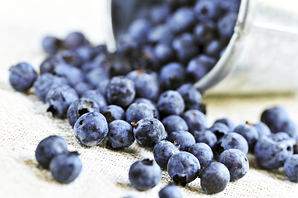
employee health, nutrition, blueberriesWe’re right in the heart of blueberry season, so it’s a great opportunity to look at what makes this delicious summertime favorite so nutritious.

Blueberries are constantly receiving positive press, and deservedly so: their antioxidant power ranks them among the top “super foods” that provide vital health benefits. According to WebMD and the American Dietetic Association, blueberries boast the power to help prevent cancer, heart disease, and high cholesterol, and can benefit the immune system, cognitive function, eye health, and digestion. Their antioxidant content and high levels of fiber; vitamins A, E, and C; potassium; and manganese provide these benefits.

Are Blueberries a New Secret Weight Loss Weapon?

If the previously mentioned health benefits weren’t enough to send you hurrying to the produce section of the nearest supermarket, what about the fact that a recent study has shown promise for the blueberry in its ability to fight obesity on a molecular level? According to a recent study at Texas Woman’s University, polyphenols (a type of antioxidant) from blueberries hindered the development of adipose (fat) cells in mice. The effects were dependent on the size of the dose; the highest dose had the most impact on the cells.

Further studies are needed, as the jury is still out on the potential effects of polyphenol doses in humans. However, one can’t help but wonder: is the ability to bottle a blueberry’s nutritional power on the horizon?

In the meantime, the old-fashioned way of consuming your polyphenols through a diet rich in unprocessed foods such as fruits, vegetables, nuts, and seeds (and even wine, tea, coffee, and chocolate!) should certainly be adequate. In fact, Mother Nature may see to it that this remains the best means, as it appears that there are polyphenols that cannot be extracted that are an important part of these foods’ nutritional value.

Healthy and Delicious Ways to Enjoy Blueberries

Think about simple ways that you can add more blueberries to your diet. They make great toppings for yogurt, cottage cheese, ice cream, cold cereal, and oatmeal. Add them to smoothies and fruit salads, or simply enjoy a handful for dessert or a snack. They’re most nutritious in their raw state, but adding them to pancakes, waffles, muffins, breads, and more will still add a sweet, nutritious burst of flavor.

Topics: employee health nutrition weight loss

Pick Red Peppers for a Great Weight-Loss Snack or Side

This blog was written by Lisa Larkin. Meet our blogging fitness specialists at the NIFS website.

Red peppers can play a role in weight loss! Peppers are low in calories, which helps with weight loss. Grab fresh red peppers instead of potato chips as a healthy snack. You still get that same crunch with a lot fewer calories.

Red peppers are mature green peppers. They are mild in taste, which makes them a great snack raw or cooked. Red peppers do not contain any fat, are low in carbohydrates, and are rich in fiber and vitamins C and A. Fiber helps with the digestive system and vitamins C and A help to protect your eyes and skin.

Peppers also contain a chemical called capsaicin, which may help to increase the rate at which the body burns fat. With all these positive things, why wouldn’t you pick up some red peppers next time you’re at the store?

Adding red peppers to your meal will not only add color, but also good flavoring. I like to buy a variety of colored peppers and cut them up in my salads. I’ve also cut up fresh red peppers and made a low-fat veggie dip as a healthy snack when company is over.

red pepper, healthy snacking, corporate health and wellness, senior wellness, fitness center managementJust last night I made kabobs with red peppers and shrimp to put on the grill. Add a little seasoning and you have a low-calorie, low-fat, and fun meal. You can also go online and search for a low-fat recipe to make stuffed peppers. Red peppers are something different to incorporate into your fresh summer meals!

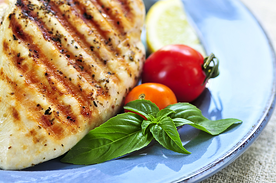
Add red peppers to your salads, omelets, chicken tacos, whole-wheat pasta with ground turkey, or just add peppers on top of your grilled chicken sandwich. Have fun and get creative with red peppers this summer!

Corporate health and wellness programs are making strides in encouraging healthy eating, so look in your onsite cafeteria for these and other healthier options.

Topics: nutrition weight loss

Corporate Wellness: Refuel with Chocolate Milk

This blog was written by Veronica Hofmann. Meet our blogging fitness specialists at the NIFS website.

Chocolate Milk resized 600There are so many sports drinks and supplements on the market that it is almost impossible to choose which one is best for an after-workout refuel. There are dozens of flavors and brands of protein shakes, waters, and carbohydrate drinks.

Recently something very simple has been advertised as being a better choice than all of these. Almost everyone has had it before, and many probably still enjoy it frequently without even realizing the benefits it could have when used after exercise. Are you ready? Low-fat chocolate milk!

Yes, believe it or not, science has shown that low-fat chocolate milk contains the perfect balance of carbs and protein that can quickly restore your muscles to their peak potential after you exercise. Low-fat chocolate milk will help you build lean muscle as well as rehydrate after exercise and has been proven to work better than other commercial sports drinks. It also naturally contains some of the electrolytes that are added to recovery drinks.

I was happy to find this information because I try to include only natural foods and drinks in my diet. When looking at the ingredients in sports drinks and protein shakes, there are many unidentifiable ingredients.

I started to include low-fat chocolate milk into my diet for many health reasons. (And hey, let's not forget it's delicious!) I was then randomly contacted by the Refuel with Chocolate Milk tour and asked to work at a local triathlon at their booth near the finish line. They had an amazing setup and I learned all about why low-fat chocolate milk is now a preferred way to refuel after exercise! What perfect timing!

I have been spreading the word about the benefits of chocolate milk for after-workout refueling and it would be a great topic for a corporate wellness program lunch and learn. I am sure encouraging people to drink something that is super yummy and beneficial would be easy!

Topics: corporate wellness corporate fitness nutrition

New Nutritional Keys Improve Employee Health Through Better Choices

This blog was written by Penny Pohlmann, MS. Meet our blogging fitness specialists at the NIFS website.

The Food Marketing Institute and Grocery Manufacturers Association announced in January that a new voluntary “front-of-pack” nutritional information system will be seen on food productMan reading food label resized 600s this year. These nutritional keys are different from the standard nutritional label typically found on the back or side of a box or container, in that they are large symbols that inform the consumer about the nutritional information on the front of a product.

The four basic icons that display the calorie, saturated fat, sodium, and sugar content in one serving of a particular product may prove to be helpful for quick product comparison and informed decision making. A campaign to help consumers learn about the new system will launch this fall.

Do you think this new system to deliver simplified information about your food will help you make better nutritional decisions? The GMA reports that a similar labeling system exists in the UK and 63% of consumers say they use the information to make choices when they purchase food.

Employers can play a huge role in helping their employees make healthy nutritional choices at work by not only educating the about food labels but by providing discounts for healthy food options. A qualified corporate wellness company can help you build a worksite wellness program that serves your employees by providing nutritional, fitness, and stress-management programs that lead them toward a healthier lifestyle.

Topics: corporate wellness employee health nutrition

Fasting for Weight Loss: Is It Effective?

This blog was written by Dan Walker. Meet our blogging fitness specialists at the NIFS website.

(part 2 of 2)

Last time we took a look at the proposed health benefits of fasting, such as lowered blood pressure and cholesterol, detoxification of harmful substances, and a lower risk of developing various diseases. This time we’ll look at fasting for weight loss to see just how effective it can really be for managing weight.

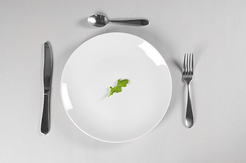
Many people feel that they are exercising consistently and are eating right, but Empty Plate resized 600have either hit a plateau in their weight loss or haven’t been very successful at initiating weight loss over the years. Because of this, many have turned to fasting for weight loss. The logic is that although it will cause a little pain and discomfort initially, it will indeed result in weight loss as the body is forced to burn stored fat for fuel.
But is that what really happens? And if so, will it produce lasting weight loss?

Problems with Fasting

Although I have never tried fasting for weight loss personally or talked with anyone who has, I along with many others feel the proposal is flawed in a few key ways:

  • Our bodies are designed to maintain homeostasis and resist change. If you dramatically cut your caloric intake and don’t provide your body with what it needs to function properly, it will fight back by slowing down your metabolism to prevent starvation.
  • Any fast you go on (along with any diet) can’t last forever, so you eventually will have to come off of it. Even if you did lose a little weight, what happens now that you are off the fast but have no plan in place for maintaining your weight loss?
  • Fasting doesn’t address the real problem underlying your weight gain: too little physical activity and/or too many calories consumed each day. Fasting for weight loss is only treating the symptom of a much larger problem. It might help a little, but there is a bigger underlying issue that should be addressed if you are looking to maintain a healthy weight for a lifetime.

Instead of Fasting, Make Appropriate Diet and Exercise Changes

Fasting has its place in the lives of those who, after talking about the decision with their doctor, would like to try it periodically to see if it can improve their health. It can even help you learn to control your desire for food as you learn to go without it for a period of time. But your best bet for permanent, healthy weight loss is to carefully examine your life and make the appropriate changes.

Start by writing down what and how much you eat each day and see if any patterns arise. A Personal Nutrition Coaching session with a NIFS dietitian can help you analyze your diet and give you a plan for weight loss.

If you feel that you can’t find enough time in the day to exercise, analyze how much time you spend watching television, surfing the Internet, and other fun but unnecessary pursuits. Even some worthwhile activities and hobbies may need to be scaled back a bit if you’re just too busy to work out. Exercise might from time to time take you away from other things you’d much rather be doing, but it won’t matter if you’re not around anymore to enjoy those things.

Topics: nutrition weight loss disease prevention

Listen to Your Plate! Portion Control for Employee Health

This blog was written by Mechelle Meadows. Meet our blogging fitness specialists at the NIFS website.

healthy plate, employee health, nifs, senior wellness, fitness center managementPortion sizes can be tricky. Your employees have probably heard before that a serving size of meat is similar to a deck of cards. Or a serving of cheese is equivalent to four dice.

It's Easy to Dish Up Too Much Food

However, when you’re loading up that plate at dinner time, your hungry stomach can you fool you into thinking that one serving of meat should look more like three decks of cards than just one. Measuring by ounces or cups can be even trickier. One cup of pasta constitutes an entire serving, but chances are our plates are full from edge to edge with noodles.

Ways to Visualize Smaller Portions

One diet tip I’ve read before is to start using smaller dinner plates—that way, your plate will look full with less food.

To even better visualize proper portion sizes, try using a portion-control plate. These fancy meal inventions have outlines or even full illustrations depicting how much of your plate should be filled with each food group. They come in different versions for adults, children, and even diabetic populations. The most common version illustrates that half of your plate should be filled with fruits and vegetables, leaving one-fourth of the plate for a lean meat or protein and another fourth for whole grains.

Now, say you do a lot of entertaining in your home, and you want a more sophisticated look for your dinner plates. I’ve now seen portion-control plates that are subtly designed, using a floral pattern for example, to still show you the outline of where your foods should be fitting!

Starting with dishware, we can introduce tools into the household to make dinners easier and healthier. Emphasize the importance of portion control in your corporate health and wellness program.

Topics: overweight employees nutrition