
Corporate Fitness and Active Aging

Senior Wellness: Berries and Blood Pressure

This blog was written by Lisa Larkin. Meet our blogging fitness specialists at the NIFS website.

Do you consider fruit when you’re hungry for a snack? Instead of grabbing those chips, grab some berries! Most berries taste like a treat, anyway, with their natural sugars, and the health benefits are amazing. (Okay, some might not agree that berries are a treat, but they are very good for your body!)

Why Berries Are So Healthy for Youdescribe the image

Most berries are packed with vitamin C, fiber, and potassium. They also contain organic chemicals that help to lower blood pressure and increase HDL (good cholesterol) levels. There are several possibilities, so don’t be afraid to branch out on your berry intake. Strawberries, blueberries, raspberries, and blackberries are good tasting and fun to add to other things.

Ways to Use Berries in Healthy Meals

The ways to incorporate berries in your diet are endless. You can

  • Add them to a salad for lunch
  • Make a homemade low-fat smoothie
  • Add them to a relish on top of your favorite barbecued meat
  • Put them in pancakes
  • Add them to yogurt

When adding them to recipes, it’s best to use frozen berries. But do not add any additional sugar.

Go ahead; pick up some berries at the store tonight for a healthier you!

Topics: nutrition disease prevention senior wellness programs

Employee Health: You Smell Like What You Eat

This blog was written by Megan Jack. Meet our blogging fitness specialists at the NIFS website.

Remember the old adage “you are what you eat”; it's more like “you smell like what you eat!” The foods we eat have a direct effect on our body odor.

C  Documents and Settings kgootee My Documents Dropbox Hubspot Images stinky coworker resized 600We all think of perspiration as the main culprit for a person’s odor. (Think of the guy next to you at your corporate fitness center sweating up a storm and smelling less than fresh.) However, sweat itself is odorless. The odor comes from the bacteria on the skin and the toxins your body excretes. Some our favorite foods are responsible for those “stinky” toxins.

Foods That Make You Stink

According to Discovery Health, the following foods are absorbed by the blood and lungs, causing bad breath and body odor for several hours:

  • Garlic and onions
  • Mint and turmeric
  • Blue cheese (and other fermented foods)
  • Cabbage and cruciferous vegetables
  • Vinegar

Even foods without a pungent odor can cause a strong bodily smell. A 2006 study conducted by Charles University suggests that men following a vegetarian diet were judged as having a more pleasant and less intense body odor compared to meat eaters.

Processed Foods Also Cause Body Odors

Another odor culprit is processed foods. These foods contain little to no fiber, and high amounts of sugar, hydrogenated oils, and refined flour. They leave a great deal of waste product behind after the body absorbs the nutrients. This waste product is then excreted by the body and can create a moderate to strong odor.

Eat a diet high in plant-based foods to keep your body odor in check. More often than not, if the food you eat has a strong smell, you will too.

Topics: corporate fitness nutrition

Healthy Office Snacking Promotes Workplace Wellness

This blog was written by TJ McAloon. Meet our blogging fitness specialists at the NIFS website.

describe the imageThe time in the lower-right corner of your computer screen reads three o’clock. You’re tired and in need of a pick-me-up. It is too late in the day for a full meal; you are about to head home for dinner in two hours. Your coworker notices you start to drag at your desk and offers some suggestions for a boost in the form of some snacks, a soda, or a cup of coffee.

Weighing Your Snack Options

You now have some options to pick up your energy level, but which is the best one? Which one can you eat or drink without worrying about putting on unwanted pounds while sitting at your desk?

The first option is coffee. The average cup of black coffee does not have any fat, has only 2.5 calories per serving, and provides that quick fix of caffeine for energy. However, the drink does not provide any nutrients and little to no vitamins. 

Could you go for a snack from the vending machine? Unless you choose one of these healthy options, you could be headed for a diet disaster.

Maybe a piece of candy or a leftover doughnut from the morning would provide that sugar rush you crave? These things will provide the quick burst of energy for you; however, once that wears off, you'll be left with a crashing feeling and be back at square one: tired, plus feeling guilty for inhaling a bag of M&Ms.

The Winner: Bring Healthy Snacks from Home

Your healthiest and best option is to opt for fruit and vegetable snacks that you can bring from home. Try packing a small bag of sliced apples or a cut-up banana. Both of these fruits are full of vitamins, antioxidants, and fiber. They can give you that burst of energy while eliminating a big crash like snack-type foods cause.

Eating the correct food at the office can help lower your stress on the job, while increasing your productivity. Who knows―eating healthy may even help you get that promotion that you deserve as well.

Topics: employee health overweight employees nutrition

Busy Mom Loses Weight After NIFS Nutrition Consultation

This blog was written by Lori H. Meet our blogging fitness specialists at the NIFS website.

It's been 10 weeks since I embarked on my quest to shed 25 pounds with the help of NIFS Wellness Coordinator and registered dietitian Angie Scheetz. So, how's it going? Remarkably well!

The first few days and weeks were a little describe the imagedifficult because I was giving up so much comfort food without seeing any results yet. At our nutrition coaching session, Angie armed me with important tools, such as great suggestions for healthy foods that made me feel full and a place (My Daily Plate) to hold myself accountable for my choices. I did not stray from my calorie goals once, and before long I started to see results.
At first, the weight seemed to be just melting away. Within the first six weeks, I lost 10 pounds. I thought that if things kept going that way, this was going to be a cinch. Well, of course, they didn't.

I hit a weight-loss plateau about a month ago. Even though I was keeping to my calorie goals and trying to be more active, I was stuck. This was the point at which I was most tempted to give up. But because healthy eating has become a habit, I didn't. And this weekend I see signs that I might be moving past the plateau.

The best news of all is that I think I have made a real, permanent lifestyle change. I know how to eat better now and I rarely feel tempted to eat something I shouldn't. Here are some of the keys for me:

  • Not allowing myself to feel hungry: Eating high-protein snacks at regular intervals keeps me from wanting to binge on something really fatty.
  • Thinking ahead: When I go to the grocery, I load up on fresh fruits and vegetables. Then I go home and cut them up into healthy portions and have them ready to go throughout the week. I always have plenty of Greek yogurt in the fridge, plus low-cal cheeses and meats.
  • Finding "treats" that aren't too bad for me: I get my chocolate fix from 1 teaspoon of Hershey's syrup in a mug of skim milk in the morning, and a low-cal fudge bar after dinner. I don't feel deprived at all.
  • Balancing out the calorie-laden foods with better choices: I have learned that I can still have a Jimmy John's sub if I hold the mayo, eat just half a sandwich, and bring along an apple to eat instead of chips. Plus, I substitute water for the Sprite. Not only am I saving calories this way, but I'm also saving money.

Now that spring is here, I hope to be able to be much more active. Coupled with my continued smart eating, I should be at my goal before the pools open!

Disclosure: NIFS discloses that it does remit monies to Lori H. for other nonrelated services. However, this venture with the nutritionist is being conducted at the will and request of Lori H., and Lori H. is not being compensated for the authorship of this blog.

Topics: nutrition weight loss

How to Make Fast-Food Choices for Better Employee Health

This blog was written by Lisa Larkin. Meet our blogging fitness specialists at the NIFS website.

Working in corporate fitness centers, I see a lot of professionals with very little spare time. Most are trying to get in a quick workout over lunch and then grabbing something quick to eat. Trying to balance work and life doesn’t leave much time for healthy meal planning. I’ve done some comparing to help employees make healthier fast-food choices.

Healthier Choices at McDonald's

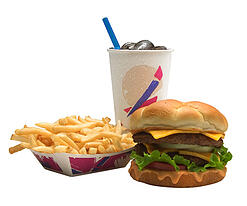
Choose a double cheeseburger over a double Quarter Pounder with cheese. It has 500 feweFast Food2r calories and 19 fewer grams of fat. Select any of the grilled chicken wraps for a meal under 300 calories. Choosing grilled over “crispy” will save you a lot of calories and fat.

If you must have something to go along with your sandwich or wrap, four-piece Chicken McNuggets have fewer calories than small french fries. Most fast-food restaurants now have side salads or fruit as healthier options. To consume fewer calories, choose low-fat balsamic vinaigrette as your salad dressing.

See the McDonald's nutrition details here.

Good Options at Taco Bell

After looking at Taco Bell’s nutritional information, there isn’t a lot on their menu for 300 calories or less. Need I say much more about stopping at their drive-through? I would recommend keeping it simple if you’re going to eat at Taco Bell. For example, soft tacos are going to be your best option because they don’t have a sauce on top or inside that is high in fat.

Other Healthier Fast-Food Rules of Thumb

Watching your sodium? Skip or go light on the condiments and salad dressings. Ketchup, mustard, pickles, sauces, and dressings all contain salt. Hold the mayonnaise and save 50 calories. Order a fish sandwich without tartar sauce and save 80 calories.

It may sound like I’m taking the “fun” out of fast-food eating, but your body will thank you for making healthier choices!

Topics: employee health overweight employees nutrition

Using the iLog1 App in Corporate Wellness Programs

This blog was written by Mechelle Meadows. Meet our blogging fitness specialists at the NIFS website.

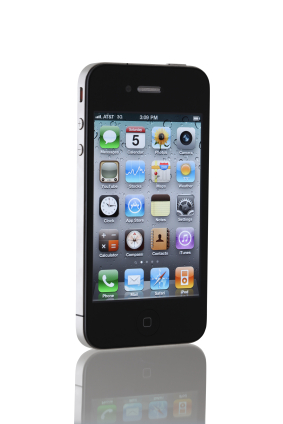
Little did we know when the iPhone was introduced that it could one day transform our total body fitness. Robert Jay Martin has attempted to do just that with his new app, the iLog1, available for iPhone, iPad, or iPod.

iphone

iLog1 Tracks Health Stats and Reports Trends

I’ve come across several phone apps and online tools that can track both diet and exercise, but the iLog1 goes a few steps further to enable the user to record their sleep habits, body mass index (BMI), daily mood, and even housework or other chores. The best feature is that the iLog1 charts all of this data to display trends. In any scientific research, or even an individual’s lifestyle change, it’s the trends that are the most telling.

The iLog1 also offers enough customization to be used by skilled athletes, fitness newbies, or even a large company looking to track how many employees participate in corporate health incentives.

Introducing iLog1 into Corporate Wellness Programs

Corporate fitness management has, in the past, used systems of handwritten food journals, paper exercise logs, or maybe certain computer programs to track diet or exercise progress. How could we introduce applications like these into our corporate wellness programming?

While we are not pushing any certain product or brand on our clients, as you’re doing a one-on-one consultation with a member, it could be worth asking whether he or she already owns an iPhone. If so, the iLog1 could be a valid solution to helping the client manage and track his or her fitness goals.

In the corporate world, I believe employees value the convenience of needing only one hand-held device to quickly enter their health stats throughout the day. One quick glance at the iLog1 could tell the user how many calories are left in the day’s budget before going out for a lunch meeting. As busy employees are checking e-mail on the iPhone or iPad, they could also check their iLog1 and be reminded to fit in those 30 minutes of cardio before they go home.

Survival and success of corporate fitness programming depends on offering impactful information and guidance in a technologically savvy, gadget-loving world. Convenience sells!


Topics: exercise corporate fitness nutrition technology

Artificial Sweeteners for Weight Loss: Are They Harmful?

This blog was written by Mechelle Meadows. Meet our blogging fitness specialists at the NIFS website.

With all of our corporate fitness centers’ strides toward healthy eating, maintaining an ideal weight, and preventing metabolic diseases such as type II diabetes, it’s no wonder that artificial sweetners2sweeteners like sucralose (Splenda), aspartame (Equal or NutraSweet), and saccharin (found in some diet sodas and chewing gum) became an overnight success. With claims like “as sweet as sugar, with no calories or insulin surge,” they sound like a great solution to staying within a low-calorie or low-sugar diet while still feeding that sweet tooth.

Does Splenda Have Adverse Side Effects?

Let’s take a look at the most popular of these, Splenda, to examine any possible health risks. Sucralose is 600 times sweeter than table sugar and is not broken down by the human body. So most of the molecules are not even absorbed by the gastrointestinal tract, but rather excreted.

According to the Sucralose Toxicity Information Center, a wide range of adverse side effects have been reported by Splenda users; however, these symptoms mainly impacted those people who were found to have an allergy or sensitivity to the actual sucralose molecule.

As for the rest of the population, studies have not indicated any risk with moderate use. Harmful side effects were seen in the thymus (an organ of the immune system) when sucralose intake amounted to 205 grams per day—that’s equivalent to nearly 17,200 Splenda packets! Furthermore, the amount needed to spark any immune response whatsoever was 51 grams of sucralose per day, or 4,300 Splenda packets (see here for relevant links).

Using Artificial Sweeteners in Moderation Is Key

As with all foods (or food substitutes), moderation is key. The takeaway message for your corporate wellness clients is that artificial sweeteners do not present a real health threat for people using them for weight loss, provided they are using one to two packets at a time and limiting all processed foods.

Topics: corporate wellness overweight employees nutrition

Employee Health and Fitness: Should I Work Out on an Empty Stomach?

This blog was written by Megan Jack. Meet our blogging fitness specialists at the NIFS website.

Some people believe that there is a benefit to working out on an empty stomach. This concept is derived from the idea that exercising first thing in the morning or in a “fasted state” will cause your body’s energy systems to burn more fat instead of carbohydrate stores. 

Why the Empty-Stomach Workout Doesn't Work

As a corporate fitness manager, I hear this theory on a weekly basis, and it is simply just an urban fitness myth. ThEmpty Stomach resized 600e main problem is that fat as a fuel source is not the same thing as burning fat off of your body. Fat burning has more to do with the total amount of calories burned than the type of energy your system uses.

Another key problem with this theory is that many times without adequate nutrition, you will not be able to exercise as long or as hard. As a result, you will burn fewer calories.

Benefits of Eating Before Exercise

According to an article by Paige Waehner on About.com, there are additional benefits to eating prior to a workout:

  • “It boosts recovery and strength gains.”
  • “You can sustain longer, more intense workouts.”
  • “It helps you avoid feeling dizzy or nauseous from low blood sugar.”
  • “It makes workouts more enjoyable” (because you’re not constantly hearing your stomach growl).

Some of my corporate fitness members feel too full or weighed down with a full meal prior to exercise. Some need a snack prior to strength training, but are fine completing a cardio workout on an empty stomach. What really matters is to find something that works for your body and for your schedule.

Most importantly, don’t go hungry simply because you think you’ll burn more fat. Focusing on your growling belly can cause your workout intensity or duration to suffer and that will in turn reduce your caloric burn.

Topics: corporate wellness exercise at work corporate fitness nutrition exercise at home

Does Avoiding Nighttime Eating Lead to Weight Loss?

This blog was written by Lisa Larkin. Meet our blogging fitness specialists at the NIFS website.

I’m sure most people would love it if all they had to do to lose weight was not eat two hours before bed. Unfortunately, I don’t think it’s that easy. There are other things that go along with not eating large amounts of carbohydrates before bed.

Late Night Binge resized 600Working at an onsite corporate fitness center, I do a lot of nutrition consultations. Most people struggle with eating healthy. I have a lot of people tell me they eat healthy while at work, but at night is when it all goes downhill.

It is best to eat larger, higher-carbohydrate meals in the morning. This gives your body energy throughout the day; plus, your body will have time to burn off those carbs. But what’s most important is that you are not taking in more calories than you’re burning.

It really doesn’t matter what time of the day you’re eating, as long as you are staying active and not eating more than the recommended amount of daily calories for your body.

It’s also not good for your body to go all day without eating and then eat one large meal at night. This could cause your body to go into starvation mode. That could end up slowing down your metabolism, which is not what you want!

So eat your carbs in the morning, stay active, count calories, and don't starve yourself.

Topics: overweight employees nutrition

How Corporate Wellness Can Partner with Cafeterias on Calorie Posting

This blog was written by Mechelle Meadows. Meet our blogging fitness specialists at the NIFS website.

Do your corporate wellness clients know how many calories they are eating when they go out for lunch? A new law from the FDA will start requiring restaurants to post calorie listings and provide more detailed nutritional information upon request.

New Law Makes Calorie Information Easier to Find

While you can already find many restaurants’ caloric content online through a simple search, making this information more visible inside restaurants or on menus is a reasonable thing to ask. You don’t go into a restaurant and order a meal without knowing the price, so why blindly order an item that might exceed your entire calorie budget for the day?

Extending Calorie Count Transparency to Corporate Cafeterias

Let’s take this one step further for worksite healtemployee choose fruith promotion. Many corporations have an onsite cafeteria whose management most likely has access to the nutritional content of their offerings.

At my site, we have partnered with our cafeteria vendor to advertise the calorie breakdown of its staple items as well as daily specials. This information is displayed visually in the cafeteria via posters and brochures and is also available online. Further, our cafeteria vendor has a “sticker system” where color-coded stickers mark the items that are low-fat, low-calorie, and low-carb.

Keep in mind as you set out to partner with a cafeteria vendor or a restaurant that they are businesses and therefore must make a profit .While their managers may be open to introducing healthier selections, they will keep their top-selling items, whether they have 200 calories or 1,200.

Here is where you can suggest to your corporate wellness clients the concept of moderation on their lunch break. Indulging every now and then is okay, but staying informed is the key to sustainable health.

Topics: corporate wellness overweight employees nutrition