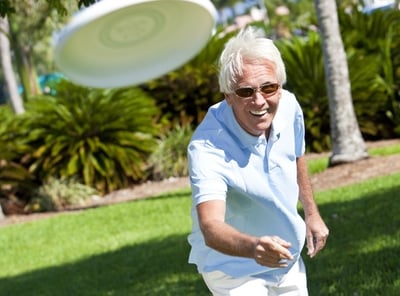
Need some inspiration to get moving this spring? Here are five reasons walking may help you kick start your spring fitness routine and your commitment to moving again after a long winter. No matter if you’re a beginner or a lifelong lover of walks, sometimes you need new reasons to lace-up and move.

Nice Weather
Typically springtime means it’s warming up, but it's also just cool enough to enjoy the sounds of nature before the sweltering heat sets in for the summer. Springtime weather also means the walker can experience the flowers and trees blossoming into those bright beautiful colors that make us fall in love with this special time of year! Use the opportunity to get out and soak up some Vitamin D (just don't forget your sunscreen) and increase your serotonin levels, which is known to put some pep in your step and a smile on your face.
Social Connections
Starting a springtime walk is a great opportunity to interact with other people, and research shows that social connections can positively influence your health. In addition, fitness trends predict that most people are more likely to start a new habit right after the New Year and just before summer, making spring the peak time to invite a friend for a walk. The support gained through social connections can also make getting outside on a regular basis more fun and consistent.
Fight Depression
Winter is the season correlated most highly with depression. Many believe there are three major factors behind this. First, there is the holiday season with all the stresses of shopping, travel, and overspending. The second reason may be the dearth of sunlight and the scarcity of vitamin D that people are accustomed to absorbing from the sun. Lastly, people are just less active in the wintertime due the frigid weather. Therefore, springtime is a great time to shake off your dibble downer dumps by walking outside and smelling the fresh spring air! Try three 30-minute walks a week and you may be surprised how effective it is; in many ways, it can be considered the cheapest antidepressant!
[Read More: Tips for easing seasonal depression]
Burn Off Winter Weight
Yep, winter’s over and just maybe you had your share of dessert and the occasional extra helping of your favorite dish. No finger pointing needed; springtime is here, and daylight savings time has arrived, so it’s time to put this in the past where it belongs. This means that you will have all the sunlight needed for a late afternoon fat burning session. Like any form of exercise, walking burns calories and, therefore, fat. Try the walking routine below to maximize your fat burning efforts.
- Warm up at a comfortable pace for 5 to 10 minutes.
- Walk quickly for 1 minute.
- Return to a comfortable pace for 1 minute.
- Repeat this pattern for a total of 30 minutes.
- Cool down the last 2 minutes at a slow pace and then stretch.
Spring Back, Move Forward
Spring back is only an expression but ask yourself this question. Have you fallen off the wagon of activity and making healthy choices? Well, don’t fret! Take time this season to spring back! The answer for any good knock down is a greater comeback. Spring in definition means, to leap, to jump, or to arise from. Take the term to heart and commit to spring walking.

 I was looking for fitness challenge. I had already been running 5k races and had either won or placed in every race (6) within my age group, so I felt like I was ready for more. My mother suggested I race a half-marathon. Truly, running 13.1 miles sounded awful and I had no desire to run that far for pure enjoyment. Suddenly, I found myself logging longer runs on the weekends just to test my endurance. When early registration came for the
.jpg?width=392&height=221&name=Exercise%20Sticky%20Note%20GettyImages-809071406%20(1).jpg) There is more and more discussion in corporate wellness today about doing wellness for (with?) employees,
There is more and more discussion in corporate wellness today about doing wellness for (with?) employees, 

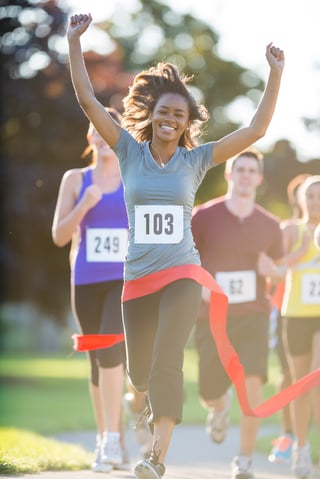 It’s true, signing up for a 5K or a triathlon can be fairly intimidating for a first-timer. The fear of going too slow, finishing last or even not finishing at all can hold someone back from completing their first race. The fact is, very few competitors are attempting to come in first place. Most are just trying to finish! The benefits of racing are countless and most have absolutely nothing to do with how fast you go. Here are my top 5 reasons why you should complete a race:
 I wrote a post a while ago about
  Maybe you've seen some of the chatter online about employers shifting their focus to providing a workplace where employees enjoy what they do and where they have an opportunity to feel like they're contributing to a bigger picture. As I've done more reading in this area, it dawned on me just how much this rings true for my work.


 As someone who exercises daily, I have fought myself on this topic. Why should I track my progress if I am feeling good about what I am doing? If I am working out every day, I will gradually see results and continue to climb that never-ending improvement ladder! Well, as it turns out, achieving goals more complicated than that.