
Corporate Fitness and Active Aging

Corporate Fitness Center Turns 20 Years Old!

This blog was written by Bethany Garrity. Meet our blogging fitness specialists at the NIFS website.

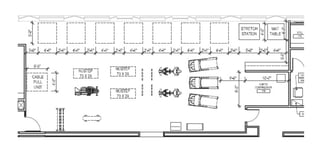
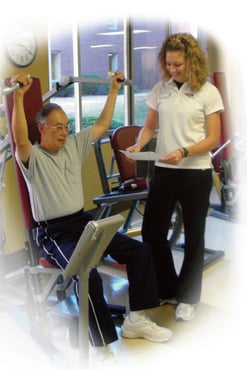
A few weeks ago, I had the distinct pleasure of joining one of our long-time staff members at his corporate client’s fitness center for their 20th anniversary.  In the last 20 years, that location has relocated once, and evolved significantly; the offerings have changed as trends in the fitness industry have changed. 

Step aerobics has been replaced by indoor cycling offerings, and Zumba fills a spot once held by more “old school” group class formats.  They’ve gone through several treadmills, and other types of equipment.  (Though they still have a few original cardio pieces that are kickin’ it!)

Perhaps most importantly, we’re proud to say that the manager of the facility has NOT changed…and his members love him for it.  NIFS knows how important personal relationships are to successful corporate health initiatives, and Scott has helped more than his share of associates make positive lifestyle changes over the last several years. 

SW old  SW new 

The 20th anniversary celebration was marked with fun carnival-type games (great for ANY fitness level!), fun prizes (necessary for any celebration!), and brand new selectorized strength equipment from Cybex.  They've been a great partner for us with great equipment, and solid service.

Corporate Fitness Games Cybex strength

NIFS is proud to be a long standing provider of fitness center management services for this client, and we’re grateful to Scott for his long service to his members.

Topics: exercise at work corporate fitness program exercise corporate fitness Wellness in the Workplace worksite wellness employee wellness corporate fitness centers business fitness solutions

NIFS Nutrition News: Take It Off, Keep It Off!

This blog was written by Angie Scheetz, RD. Meet our blogging fitness specialists at the NIFS website.

NIFS, nutrition, portion controlI love what I do. Seeing people succeed with their weight-loss goals is one of the most rewarding feelings as a dietitian. However, it can also be very challenging when I see clients revert back to old habits and struggle to keep off the weight that they worked so hard to remove.

After checking out some research of highly successful dieters, I have found the best things that can be done to keep off the weight for good:

  • Keep a food journal. Individuals who keep food logs tend to eat 40 percent less because they are writing it down. Also, a recent study found women who kept a food journal lost 6 pounds more than those who didn’t. Some excellent online food tracker sites include My Daily Plate and Choose My Plate. Free apps for your smartphone that are highly rated include My Fitness Pal and Lose It.
  • Practice portion control. As a society we are terrible at eyeballing portions! The secret to success is consistently measuring food items to make sure you are eating the same amount you are journaling. The simplest way to do this is to use measuring utensils to dish out your meals and to associate common items to certain portions. For example, a serving of meat should be the size of a deck of cards, a baked potato should be the size of a computer mouse, a half-cup of pasta is the size of a tennis ball, and a teaspoon of oil is the size of one dice.
  • Don’t skip meals. Lots of people think if they skip a meal they will be decreasing the total calories they are taking in for the day. In reality, the opposite usually happens. When someone skips a meal they typically end up overeating at a different time of day to compensate for missing out on the food that their body needed. Also, whenever you skip a meal it makes your metabolism work at a slower rate and, therefore, makes it harder to lose weight. Eating balanced meals and snacks throughout the day is the best way to stay on track!

The more you follow these rules, the higher chance of success you will have in keeping off the weight. For more information or to set up an individualized nutrition appointment, contact me at ascheetz@nifs.org.

Topics: overweight employees nutrition weight loss weight management NIFS weight control healthy habits

Stay Fit on Weekends Away from the Corporate Fitness Center

This blog was written by Mechelle Meadows. Meet our blogging fitness specialists at the NIFS website.

hiking, active weekendAs corporate health/fitness specialists, we see our clients giving it their all in the gym Monday through Friday. Then, something called the weekend happens.

Generally speaking, most people take a break from exercising in their corporate fitness center on the weekends. While it can be a good idea to devote two days to recovering from a week of hard workouts and busy work schedules, weekends also present several opportunities for unhealthy eating. Talk about a double whammy!

Keep Up Your Exercise Momentum

Remind your corporate wellness clients that while they should rightfully enjoy their weekends, they should also practice moderation, so that when Monday morning rolls around, they don’t feel like their fitness levels are back at square one. For those with weight-loss goals, in particular, the lack of exercise Saturday through Sunday combined with the increase of calories can do enough damage to negate all the calorie burning done Monday through Friday. 

Watch Your Sodium Intake

Aside from the high-fat and high-sugar foods and beverages that are consumed on weekends, this article from the Men's Health blog points out that sodium is also the culprit of weekend weight gain. Pizza, nachos, candy, sodas, and other junk food or restaurant selections often include loads of sodium, causing bloating and water retention that reflects on the scale.

Tips for Staying Fit on the Weekends

Here are tips to keep the weekends guilt-free and the scale happy:

  • Rather than indulge in everything, pick one to three of your favorite “splurge” foods to eat during the weekend (in reasonable portions), while keeping the rest of the diet in check.
  • Use Saturday and Sunday for recreational activities with family members or friends, such as gardening, softball, or hiking.
  • If you do plan on exercising on the weekend, do it first thing on Saturday morning before excuses or other plans ruin good intentions.
Topics: exercise nutrition weight management corporate fitness centers sodium

New Habits, a Lifetime of Results at NIFS's Slim It to Win It

This blog was written by Lori Griffin. Meet our blogging fitness specialists at the NIFS website.

NIFS, Slim it to Win it“Exercise is boring…,” “I don’t have the time…,” or “I don’t know where to start” are words many have used as excuses at some point or another in regard to a fitness routine or lifestyle change. With the emergence of Slim It to Win It in 2011, NIFS sought to squash not one, but all three of those excuses. With the guidance of health and fitness professionals two hours a week, members teamed up to conquer fun, limit-pushing workouts.

After experiencing personal successes the first year, members anxiously awaited the return of Slim It to Win It, and the second run of the program proved to be life-changing once again. Slim It is a chance for people to step outside their comfort zones and into a new way of life. With a total weight loss of 635 pounds and 1.6 percent body fat lost on average, coaches and participants alike celebrated forming new exercise habits and breaking old eating habits.

Slim It Helps Participants Achieve New Fitness Levels

While the empirical evidence demonstrates the physical success, it is the individual stories that explain the true victories. Participants accomplished fitness feats they never thought possible. From kicking their walking pace up to a jog to finally tackling a box jump, participants used the team atmosphere as fuel in their quest to shed some weight.

Nutrition and Healthy Eating Benefits

Not only did Slim It provide stellar exercise sessions, the program also spurred participants toward healthier eating habits. One participant in particular completely shifted his mindset regarding food. Rather than look for convenience at the last minute during lunch breaks, he learned to plan ahead for healthier, more satisfying options. Another member lost 26 pounds in the 10 weeks and attests to a true change in her body composition. “I am wearing jeans I have not worn in months! Not only did the numbers on the scale change, but I can really see a difference in myself.”

The Fun of Working Out as a Group

In addition to encouraging participants to challenge their fitness boundaries and reset their food mentalities, the program also instills a unique camaraderie among team members. Members exchanged numbers and worked out together outside of the team time. Even as the program ends each year, participants still connect to keep up their fitness.

With Slim It, people discover the fun in working out as a group. For example, coaches encouraged participants to log into a calorie-tracking website and when teammates noticed it had been awhile since someone had tracked his or her food intake, teammates made it a point to razz the individual a bit to get back on track. Each year with Slim It, “teammates” quickly turns into strong friendships rooted in a common lifestyle.

A Lifetime of Fitness Results

At the start of Slim It to Win It, 155 people began a 10-week program that took each of them to a new health and fitness level. With the challenging and encouraging group atmosphere, participants conquered their weight-loss goals. Coaches worked to instill new habits so that weight-loss goals were not only achieved, but also maintained. 

One member comments as to why he chose NIFS’s Slim It program two years in a row: “I’ve been able to maintain the weight loss. In the past the weight would reappear.” Combining raw statistics and personal success stories, it is safe to say Slim It to Win It creates a lifetime of results for NIFS members.

Topics: nutrition weight loss weight management motivation NIFS fitness fitness success Fitness Center

Chronic Sitting Is Bad for Employee Health

This blog was written by Jenna Pearson. Meet our blogging fitness specialists at the NIFS website.

bad posture, chronic sittingHaving a desk job likely means you spend more than half of your day—half of your whole day, not just your workday—NOT moving. We all know physical activity has a positive impact on health, but the ill-effects of inactivity are often overlooked.

Too Much Sitting Results in Heart Attacks, Pain

There is a direct, positive relationship between inactivity and disease, meaning the more inactive you are, the more likely you are to be affected by disease. In fact, the American College of Sports Medicine (ACSM) has revealed that people who sit most of the day are 54 percent more likely to die of heart attacks than their active counterparts.

If you spend the majority of your day sitting, chances are you have some muscular imbalances, weakness, and aches and pains. Muscular imbalances can lead to pain and injury, which in turn can lead to further inactivity. Poor posture while sitting can lead to tight chest and shoulder muscles, as well as tight, weakened hip flexors, low-back muscles, rear-shoulder muscles, front-neck muscles, glutes, and abdominal muscles.

It's Never Too Late to Start Being More Active

Think about your aches and pains. Do any of them line up with those listed above? If so, consider your activity level. Are you meeting the exercise recommendations set forth by the ACSM? If not, adding more movement to your day could remedy the problem.

If you're not meeting the ACSM’s recommendations for physical activity, there is some good news: It is never too late to start incorporating physical activity into your life. Get up and get moving today!

Topics: heart disease pain relief staying active

Facts on Fiber: Good for Weight Loss and More

This blog was written by Lisa Larkin. Meet our blogging fitness specialists at the NIFS website.

facts on fiber, oatmealOther than supposedly helping you go the bathroom, do you know the importance of adding fiber to your diet? Our bodies can’t digest it, so why eat it?

Benefits of Getting More Fiber

Fiber is actually considered a carbohydrate. It has many health benefits, and helps to regulate digestion. It also helps you to feel full longer, which could help you cut back on total daily calories, helping you to lose weight. When you lose a few extra pounds, you also decrease your risk of heart disease, stroke, diabetes, and heart attack; you also lower cholesterol levels and decrease joint pain. Adding fiber to your diet can also help to lower the risk of several forms of cancer.

How Much Fiber Do You Need?

Shoot for getting 20 to 35 grams of fiber per day, which most of us are not even close to getting. And here's a very important side note: Add fiber to your diet slowly, over two to three weeks. If you add too much too fast, you may have stomach issues! Also, drink plenty of water when taking in more fiber to help keep things moving through your system.

How to Get More Fiber

Are you wondering how to add more fiber to your diet? Here are some tips:

  • Increase the amount of fruits and vegetables you eat.
  • Add more whole-wheat products into your diet.
  • Eat popcorn instead of potato chips.
  • Snack on fruit instead of candy.
  • Keep some nuts at your desk or in your car for when you need something to hold you over.
  • Eat oatmeal for breakfast.
  • Try more recipes with beans and lentils.
  • Purchase unprocessed foods.
Topics: diabetes nutrition weight loss heart disease cholesterol weight management disease prevention

NIFS Wellness Coordinator and Dietitian loves the Farmers' Market

This blog was written by Angie Scheetz, Wellness Coordinator and Registered Dietitian at NIFS. 

C  Documents and Settings kgootee My Documents Dropbox Images New couple at market resized 600One of my favorite things to do in Indiana is to visit the various farmers’ markets around town.  As a dietitian I am a sucker for the fresh fruits and veggies but I also love the homemade desserts, candles, pasta, kettle corn, fresh flowers, and other wonderful items you can find.  Here are my top five reasons why visiting your local farmer’s market is a must.

1.  Support for the local community – Since the produce is grown and purchased locally, the money remains in the community and stimulates the local economy.   Also, when you shop at the farmers’ market you are cutting out the middle man and the product is generally less expensive than if you purchased it in the grocery store. 

2.  Eating foods that are in season – Farmers’ market produce is picked ripe and sold soon after picking. Supermarket produce, on the other hand, can take up to two weeks to travel from the farm to the store, even when it is in season.   The produce tastes richer and more flavorful and the nutrients are better retained.  Check out the downtown City Market website for what products are available during the months the market is open.

3.  It is good for you – The average American eats 4.4 servings of fruits and vegetables per day.  The current recommendations are 9 servings per day.  Picking up multiple servings of fruits and veggies and incorporating them into recipes, meals, and snacks is a great way to get closer to the 9 serving per day goal.  This will guarantee you are meeting your recommended vitamin and mineral requirements, increasing your daily fiber intake, and acquiring cancer fighting antioxidants too.  Locally grown produce is lower in pesticides and chemicals also.

4.  You can talk to the farmers who grew the food you are about to eat - You can meet the farmers who grew your food, ask when it was picked, how it was grown, and ways to prepare it.  When else do you get the opportunity to learn so much about what you are putting in your mouth?

5. There is certain to be one that fits your location and schedule – I love being able to go to the City Market farmers’ market on my lunch break downtown and sampling the hot, fresh kettle corn, picking up sweet corn, and getting homemade cookies on Wednesday afternoons.  Saturday mornings it is off to the Carmel farmers’ market to purchase bon bons from Holy Cow Cupcakes, homemade pasta, and a whole assortment of fruits and veggies for the week.  To find out where the location of a farmers’ market is close to you check out this website .

Whether you are picking up items for dinner or for the whole week, the local farmers’ market is an inexpensive, healthy alternative to the grocery store.  Try to get there early to get the best variety and options.  Not all vendors accept credit cards so be sure to have cash on hand.  Finally, bring along your own reusable grocery bag to put all of your goodies in so it is easier to carry home your fresh, delicious finds.

Topics: employee health nutrition Food for Thought weight management NIFS healthy habits health culture

UV Safety Awareness for Corporate Wellness

This blog was written by Kara Gootee-Robinson. Meet our blogging fitness specialists at the NIFS website.

describe the imageSummer has arrived along with barbeques, pool parties, ball games, and all those outdoor activities we enjoy this time of year. When those events are planned, you are most likely prepared to wear your hat and sunglasses and to apply sunscreen. But what about those everyday occurrences? Long walks from the car to the office, a bicycle commute to work, walk-at-work events, or simply enjoying your lunch outside expose the skin to harmful ultraviolet rays.

Tips for Reducing Skin Cancer Risk

Skin cancer kills thousands of Americans each year. The main cause of skin cancer is ultraviolet radiation, and there are many ways to prevent skin cancer and reduce your risk:

  • Avoid the sun between 10 a.m. and 4 p.m., when UV rays are the strongest.
  • Use sunscreen daily, with an SPF of 15 or higher.
  • Protect your skin with long sleeves, a hat, and sunglasses.
  • Self check―be sure to watch for changes in your skin.

Promote Employee Sun Safety

July is UV Safety Month and a great time to promote sun safety for your employees. Spread the word in your workplace. Let your coworkers and employees know how easy prevention is. Easy ways to increase awareness and encourage sun safety in the workplace include the following:

  • Post signs and posters about sun safety.
  • Offer skin cancer screenings onsite.
  • Provide sunscreen samples.
  • Designate a shaded area for outdoor lunch breaks.

Even on a cloudy day, grab that hat and apply sunscreen because even on the haziest of days the sun’s rays are powerful and damaging!

Topics: corporate wellness cancer disease prevention employee wellness

Employee Health: Healthy Teeth Make a Healthy You!

This blog was written by Lisa Larkin. Meet our blogging fitness specialists at the NIFS website.

oral health, mouth careHow would you rate your oral health?

It’s not just about staying away from sugar to protect your teeth from cavities! Poor oral health can lead to a lot of other health issues. I feel that parents are always on their kids about brushing their teeth, but in actuality, a lot of adults don’t take care of their own mouths.

It’s also not just about brushing your teeth, but brushing your teeth the proper way and flossing on a regular basis. It shouldn’t be something you rush through in the morning. You need to spend some quality time on your mouth; you get only one set of adult teeth.

Scheduling the recommended regular dentist visits can help to save your life! Not taking care of your teeth can lead to infection, which can also spread to other areas of your body. Practicing good oral health can help prevent tooth decay, gum disease, and bad breath. Dental hygienists can also screen you for serious health problems, such as oral cancer, diabetes, eating disorders, and substance abuse.

Here are some tips to help you maintain good oral health:

  • Drink fluoridated water.
  • Avoid tobacco.
  • Avoid foods and snacks that are high in sugar.
  • Visit the dentist regularly.
  • Floss daily.
  • Don’t brush really hard; relax and take your time.

Take this quiz to discover how your mouth affects your general health.

Topics: employee health healthy habits oral hygiene

Corporate Fitness: Your Body Speaks to You. Don’t Ignore It.

This blog was written by Mara Winters. Meet our blogging fitness specialists at the NIFS website.

strain, backache, overuseFitness fanatics have all been there. You are so excited about working out, living the diehard active life. Who can give up running, aerobics classes, racquetball, and all the other fitness fun? Then you hear it, that voice that says, “This twinge you have had isn’t going anywhere.”

You know you feel aches but you ignore it. Nothing can keep you down. Not even a small limp on your right side. Soon you may feel that discomfort increasing and regret not listening to your body. If you feel pain (different from soreness) lasting more than five minutes after a workout session, or you have to alter your gait to complete an exercise, this may suggest you have sustained an injury.

There are visual indicators of injury, in which exercise should be stopped immediately. Swelling, discoloration, broken bones, or dislocations are causes for ceasing an activity.

While it can be a letdown, activity should be modified until the symptoms of the injury dissipate. This allows the body to heal and prevents further injury. Rehabilitation exercise and light limbering activity are acceptable during this time. Recovery times may vary depending on the severity of the injury.

As a corporate fitness trainer, I understand that people who enjoy physical activities are not thrilled to sit out for a while. Trust me, rest is the best. People who sustain reoccurring or overuse injuries usually don’t allow time for healing. Bones, ligaments, and muscles all need time to rebuild, which will make them stronger.

Another way to keep enjoying your favorite activity is to prevent injury altogether by doing the following:

  • Wearing protective equipment when necessary.
  • Avoiding overtraining. Vary your high-intensity exercise sessions throughout the week and give your body time to rest.
  • Always warming up before exercise and cooling down after workouts.
  • Cross-training to strengthen bones and muscles.
  • Building skills required for your favorite activity. For example, if you enjoy skiing, hiking, or surfing, you may want to add balance exercises to your training.
  • Eating a healthy diet rich in nutrients, vitamins, and minerals to build a healthy body.  

Always listen to your body. Know what discomfort you can work through but also know when you need to take some time to rest.

Topics: exercise corporate fitness injury