
This blog was written by Samantha Whiteside. Meet our blogging fitness specialists at the NIFS website.
 In corporate fitness centers across the country, members are always on the lookout for health and wellness strategies to help with weight control. Help may be as close as their bedroom pillow.
It has long been said that “Early to bed and early to rise makes a man healthy, wealthy, and wise”; but now there is evidence from Northwestern University to back up this claim. The University’s School of Medicine followed 52 individuals who were split into two distinct groups: late sleepers, defined as going to bed around 3:45am and waking at 10:45am, and “normal sleepers,” who were in bed by 12:30am and awake by 8am. The researchers followed mealtimes, amount and type of food, and calories consumed.
Normal sleepers consumed 248 fewer calories than the late sleepers and the extra calories consumed by the late sleepers occurred mostly after 8pm. The quality of the food consumed by the late sleepers was of lower nutritional value and sodas were also more frequently consumed. Additionally, fast food was gobbled twice as much and half as many fruits and vegetables were ingested by the late sleepers.
With this evidence from Northwestern University in mind, what time will you hit the hay tonight?
 We’ve all experienced
  I work at a corporate fitness center where spouses are eligible to use the facility. Although I do work with several couples/spouses/partners, I would like to see more getting fit together at the fitness center. There is no cost, and no restricted hours, so that takes away some of the excuses. Spouses need to motivate each other and make changes toward a healthier lifestyle.
 Take a second and think about the last time you read the instruction manual to anything. Does anyone take the time to actually read along in emergency guide on an airplane in case of an actual emergency? No, you just sit there and wait until you are allowed to turn back on your iPod, iPhone, computer, or whatever electronic device they made you turn off.
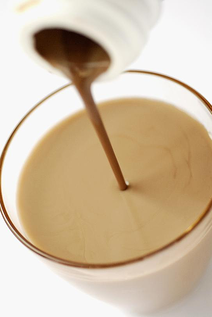 There are so many sports drinks and supplements on the market that it is almost impossible to choose which one is best for an after-workout refuel. There are dozens of flavors and brands of protein shakes, waters, and carbohydrate drinks.
 Magazines for Retirement Homes
 s this year. These
  the yard, and move in other fun ways to show them how much fun exercise can really be when you find something you like. Now is the time to ingrain the habit of regular physical activity in their life.
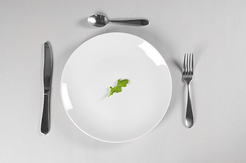 have either hit a plateau in their weight loss or haven’t been very successful at initiating weight loss over the years. Because of this, many have turned to fasting for weight loss. The logic is that although it will cause a little pain and discomfort initially, it will indeed result in weight loss as the body is forced to burn stored fat for fuel.
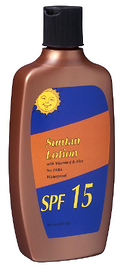 Let’s hope that if people are sitting at the beach all day they will think to use it, but there are many circumstances in which sunscreen should be used but just isn’t. I recently went on a several-hour car ride and although I do wear sunscreen on my face, my arm and shoulder were red from the sun coming through the sunroof!