Throughout the day we have so many options on what we choose to drink. That may be water, coffee, tea, juice, or pop. What is your go to drink? Do you know how much caffeine is in it or how much sugar is in it? What about the amount of many calories it contains or how it could affect you? Never fear NIFS staff is here to help give you a better understanding of the drinks you are sipping on.
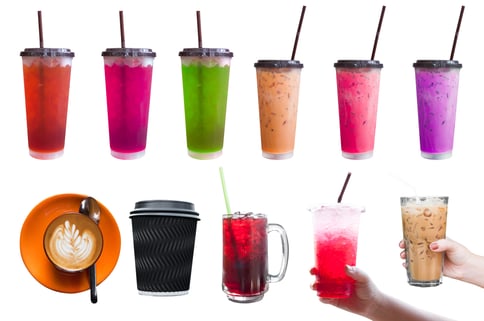 Let’s get started with EVERYONES favorite go to drink, or should be, WATER! Magical water contains zero calories, zero sugars, and zero caffeine. By drinking water throughout the day your brain, kidneys, skin, joints, digestive system, body temperature, and blood pressure will all thank you! Water will help regulate the body to run properly and make you feel great.
Just sip on this, the human body is made up of 60% of water. Great, so what does that mean in depth? According to H.H. Mitchell, Journal of Biological Chemistry 158, the brain and the heart are composed of 73% water, the lungs are about 64% water, muscles and kidneys are 79%, and surprisingly bones 31% water.
Throughout the day we are losing that water by breathing, sweating, and using the restroom. Now how can we replenish what we have lost? YOU GOT IT! By good old H20.
Let’s talk about another popular drink that is consumed on a regular basis. As you wake up, still a little sleepy, on a chilly morning in January what would be the drink of choice? Or as you finish your nice supper and it is time for the decadent dessert with a cup of? You got it, a cup of Joe! A plain cup (8oz) of coffee contains less than five calories, zero sugars, and between 80-175 mg of caffeine depending on the type of coffee. Decaf coffee contains about 3-4 mg of caffeine. Remember when adding creamers to your coffee you will be adding 20-50 calories, 1.5 grams to 40 grams of sugar, and 0.3 grams to 20 grams of fat.
How does this delectable drink affect your body? When consuming in moderation (8-16oz) coffee can help:
- Protect against Type 2 Diabetes
- Protect against Heart Failure
- Improve liver function/reduce risk of liver cancer
- Lower risk of Parkinson’s Disease
- Improve memory
We also have to understand that excessive intake of coffee can cause:
- Increase heart rate
- Increase blood pressure
- Increase insomnia
- Increase anxiety
Let’s turn the tables and talk about tea. Black tea contains 39-109mg of caffeine and two calories per 8oz cup. Green tea coming in at significantly less with 35mg of caffeine, and two to three calories per 8oz cup. Adding sweetener will significantly increase the amount of calories and sugars. Let’s say you add 1 tbsp. of honey, you will be adding on 64 calories and 17 grams of sugar. An alternative option to add a little more zest to your tea without adding an abundance of calories and sugar would be a squeeze of lemon. Benefits of tea included, decrease blood pressure, decrease cholesterol, inflammation, and help immune function.
Or you could give herbal teas a try! Herbal teas range from zero to three calories and contain zero caffeine. Types of herbal teas included, but not limited to, peppermint, chamomile, orange, hibiscus, blueberry, raspberry, ginger, lemon, and honestly just about any yummy flavor you can think of!
Benefits of herbal tea:
- Improved blood pressure
- Help to prevent kidney stones
- Help digestion
- Help cholesterol
- Improves sleep
- Reduces stress
- Soothe stomach issues (constipation, IBS, and motion sickness).
While the drinks above may not be your cup of tea, what if you are a juice drinker? There are over 50 plus types of juices (vegetable, fruit, and combination of both) we have the option of choosing. Vegetable and Fruit juices range from 40-152 calories and five to 36 grams of sugar. Both vegetable and fruit juices have an abundance of vitamins and minerals that help improve heart and digestive health. When drinking juices, especially fruit juices remember the sugar intake is much higher, which could negatively affect the body’s function.
Increased intake of too much sugar could cause weight gain, increase risk of type 2 diabetes, increase heart disease, impact dental health, decrease energy, change mood (risk of depression), and more. Make sure to be mindful of the amount of sugar per serving!
Lastly, let’s talk about pop, soda, cola, or whatever you may call it! This bubbly sweet drink (diet and regular) ranges from zero to 190 calories, zero to 56 grams of sugar, and zero to 80 mg of caffeine per 12 oz. can. Added sugars may be hiding in the ingredients label so be aware! Also check out the amount of sodium the drink contains! Excessive intake of sodium can increase risk of high blood pressure, osteoporosis, and increase heart complications.
Some, alternatives to this carbonated drink are, but not limited to, sparkling water (AHA, Bubly, La Croix, Perrier, and Waterloo), sparkling juice (Bai, Ice, Polar, Sanpellegrino), and other types (Olipop- sparkling tonic, and Zevia –stevia pop). These drinks all have a variety of flavors and range from zero-fifteen calories, zero mg of caffeine, and zero-three grams of sugar.
At the end of the day it is all about moderation! Before taking a sip of your next drink take a look at the nutrition label and see how caffeine, sugar, and calories are in there. You may just rethink your drink!
Did you not read about a drink you consume regularly and are looking to find more nutritional information on a specific thirst-quencher? Contact your NIFS staff to get more information!

 When thinking about starting a resistance training program there are a few things to consider. Making sure you have the right order for exercises, determining the appropriate number of reps/sets to perform, and making sure you get enough rest are what we will be going over in this blog. With any program you start, make sure that you are warming up properly before performing any type of lift. The great thing about resistance training is it can provide you with muscular strength and endurance gains no matter your age.
 Name:
Name:  The individualized exercise prescription continues to be a strong driver of resident engagement in fitness programming in the senior living communities we serve. The approach is highly personalized and we have helped residents prepare for vacations with the grandkids, train for an upcoming golf season, focus on balance training, and condition for mountain hiking trips. The unique motivations for residents to begin or adapt their exercise routine are always inspiring. I have been working in fitness in the senior living industry for almost 20 years and the resident success stories we hear never get old and always bring a smile to my face. Hearing about individuals reclaiming their independence, achieving new goals, and gaining confidence is powerful and we are fortunate to work in a field that allows us to play a role in these accomplishments.
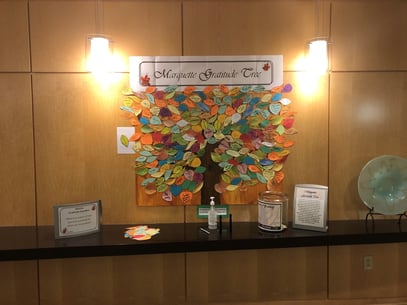 NIFS active aging staff across the country provided a focus on self-care programming for the senior living residents we serve with an emphasis on a variety of avenues to practice gratitude. While 2020 may have left us feeling restricted with so many variables outside of our control, practicing gratitude as a component of a well-rounded self-care routine empowered residents to reflect on the positive aspects in their life and enhance their well-being. After all, research has proven that people who practice gratitude show more positive emotions, demonstrate more kindness, and even have stronger immune systems.
 Name:
Name:  Name:
Name:
 Name:
Name:  As the end of 2020 approaches, there are daily reminders that life has changed. For some, these reminders are feelings of loneliness that didn’t exist just a few months ago. Older adults are at the highest level of risk for severe illness from COVID-19 and