
September is a busy month with national health observances which are geared to bring awareness and resources to individuals or caregivers for issues ranging from childhood obesity to senior independence and just about every chronic health condition in between. For many, the health observance may be one of the only times during the year in which they have access to these additional resources.
If you think about it, older adults who reside in senior living communities have access to these types of resources every single day. As NIFS partners with senior living communities across the country in managing their fitness programs, we see firsthand the impact that the vibrant lifestyle has on enhancing the lives of seniors. The scope of resources from health services to socialization to robust physical activity programs help seniors thrive and are built into the lifestyle 365 days per year opposed to a week or month-long health campaign. It’s not just about increasing awareness, the lifestyle provides the tools and resources for older adults to effectively manage their health and maintain their independence. We witness minds put at ease from the convenient access to exceptional dining, medical care and amenities and lives lived to their fullest.
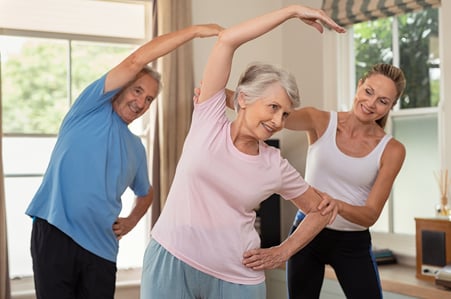 Let’s look at some examples for September’s health observances that align with the lifestyle that residents in senior living communities have at their fingertips every single day:
- Healthy Aging Month: well that’s a gimme with the month-long focus on the positive aspects of growing older and bringing inspiration to improving the physical, social, mental, and financial well-being of those 45+. These types of enrichment opportunities fill the lifestyle calendars every single month in senior living communities.
- National Yoga Awareness Month: brings awareness to the benefits of yoga and its attributes in living a healthy lifestyle. Yoga classes are a senior living staple on the group fitness calendar as the research behind the gentle poses and stretches bring flexibility, strength and balance gains to the participants as well as enhancing the mind/body connection.
- National Fall Prevention Week: We know that fall prevention is a year-round priority for seniors and NIFS Balance Redefined program brings a comprehensive service model of balance training and fall prevention programming to the communities we serve. Balance classes and rehab departments are commonplace services within senior living.
Just like any industry, some senior living communities have an edge with the scope of amenities and quality of services available to their residents. If you are exploring how a senior living community measures up in fulfilling these lifestyle goals, ask these questions:
- If you are motivated to become more physically active, does the community have a fitness center with professional staffing and a robust service model of classes, appointments, and programs? Most communities have a fitness center, but the staffing makes all the difference!
- If you are interested in gaining more socialization, how do the activities, outings, and dining experiences align with your personal passions and interests? How many new offerings are on the calendar each month to keep things fresh?
- If you are looking for intellectual enrichment, how do the programs engage participants and spark conversation? There is a difference in the lifelong opportunities available between attending “sit and listen lectures” and events that truly foster new life experiences.
Of course we support initiatives that help connect people with additional resources for any health condition they or a loved one might be experiencing and the national health observances do a nice job with that. For more information on other observances, check out this link from the US Department of Health and Human Services. In closing, we’ll consider the lifestyle available to residents within senior living communities a yearlong health observance for the best of both worlds.

.jpg?width=359&name=GettyImages-1137196547%20(1).jpg) Socializing might look different now than it used to, but you can still enjoy time with others!
Socializing might look different now than it used to, but you can still enjoy time with others!
.jpg?width=434&name=GettyImages-1215677044%20(1).jpg) While many may have feelings of uncertainty come to mind with everything we’ve endured thus far in 2020, we’ve also experienced inspiration from the dedication of our healthcare workers and educators and witnessed innovation in how many industries are adapting to remote workforces and revised service models.
While many may have feelings of uncertainty come to mind with everything we’ve endured thus far in 2020, we’ve also experienced inspiration from the dedication of our healthcare workers and educators and witnessed innovation in how many industries are adapting to remote workforces and revised service models.
 As a fitness manager, people frequently ask me how they can lose “this” as they aggressively squeeze their belly. In response with a smile, I ask them if they have a minute to talk about it. As common as this question is, it’s very hard to give an answer that satisfies. It’s a concern most of us have because we associate a trim belly with health. There’s no single magic pill, exercise, food, or ritual that will help bring back the desired abdominal aesthetic. Fortunately, there are several simple steps that can be taken to reach a healthier body composition. Here are three ways older adults can fight belly fat as they stay safe at home: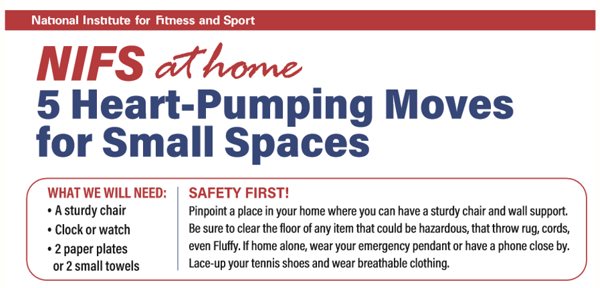
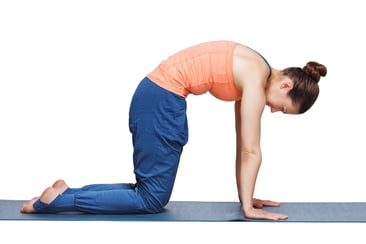 If you have been sitting for a long period of time and your body is starting to ache or feel stiff, try out these seven tips to help you loosen up. Start with number one and move down the list. It will take about 2-8 minutes depending on how long you want to spend on each one.
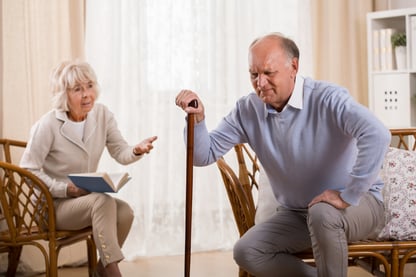 Staying home is something we are all doing more of lately due to the COVID-19 epidemic. Spending more time at home has some benefits like increased family time, less driving, and especially lowering the risk of contracting COVID-19. Unfortunately, there are also hefty drawbacks to being homebound. As we spend more time inside, we are also sitting for longer and longer periods of time. Watching movies, reading books, or napping are all fun and enjoyable seated activities. Unfortunately, doing too much of these things can have disastrous results on our health. Taking breaks from sitting every 30 – 60 minutes will improve your safer-at-home experience by reducing risk of deadly blood clots, maintaining muscle and bone health, and using up energy that would otherwise be stored as fat.
.jpg?width=408&name=GettyImages-1131960080%20(1).jpg) We are in the throws of quarantine and you’ve gone through yet another bag of Cheetos without paying much attention to them. Sound familiar? If so, you could be eating out of boredom. Now that most people are working from home, it can be challenging not to grab an extra snack during that conference call or while typing out an email. This kind of eating can add up quickly and cause a lot of detriment to your health and weight loss goals. Focusing on your nutrition is crucial during these times where it can be difficult to workout with most gyms being shut down.
We are in the throws of quarantine and you’ve gone through yet another bag of Cheetos without paying much attention to them. Sound familiar? If so, you could be eating out of boredom. Now that most people are working from home, it can be challenging not to grab an extra snack during that conference call or while typing out an email. This kind of eating can add up quickly and cause a lot of detriment to your health and weight loss goals. Focusing on your nutrition is crucial during these times where it can be difficult to workout with most gyms being shut down.  In February, you may have read about
.jpg?width=404&name=GettyImages-1135376317%20(1).jpg) While practicing social distancing remains a priority for everyone, finding ways to stay physically active should also remain a priority. This is particularly true for older adults who may find themselves feeling increasingly isolated and vulnerable to remain safe. Exercise has long proven to provide numerous health benefits both for your physical well-being as well as your emotional well-being including:
While practicing social distancing remains a priority for everyone, finding ways to stay physically active should also remain a priority. This is particularly true for older adults who may find themselves feeling increasingly isolated and vulnerable to remain safe. Exercise has long proven to provide numerous health benefits both for your physical well-being as well as your emotional well-being including: