
One of the most versatile and healthy foods out there also happens to be a favorite for most when decorating this time of year. Pumpkins are not only something that can be used to spruce up your front porch in the fall but is also an excellent addition that should be incorporated into your daily eating routine!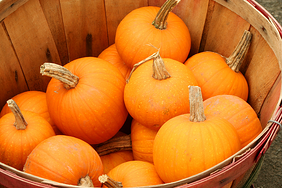
Pumpkin is loaded with Vitamin A, which helps with vision. The carotenoid, beta carotene, in pumpkins is converted to Vitamin A for even more eye protection! This antioxidant has also been found to have a role in cancer prevention. It is also loaded with fiber (3 grams for 1 cup), which we know is excellent for heart health. One final perk of pumpkin is the amount of potassium it contains. Electrolytes, especially potassium, are important after a hard workout, and 1 cup of pumpkin provides more potassium than a banana (564 milligrams vs. 422 milligrams).
Try these recipes to obtain all of the health benefits that pumpkin has to offer!
Pumpkin Pie Dip
Ingredients:
1, 15 oz can of pumpkin1, 5 oz box of instant vanilla pudding, just the powder
1, 16 oz container of low fat cool whip
1/2 Tbsp Pumpkin Pie Spice
1/2 Tbsp Cinnamon
Directions:
Mix pumpkin, pudding mix, cool whip, and pumpkin pie spice together by hand in a very large bowl and chill for several hours before serving. Sprinkle with cinnamon, and serve with fresh apples slices, vanilla wafers or ginger snaps.
Pumpkin Spice Smoothie
Ingredients
1/2 cup pumpkin (canned or freshly cooked)1/2 frozen banana
3/4 cup almond milk
1 tsp cinnamon
1/2 tsp pumpkin pie spice
pinch of ground ginger
Directions
Put all ingredients in the blender and blend until smooth. Pour into a glass and enjoy!
Pumpkin Chili
Ingredients
1lb ground beef1 green pepper, diced
1 onion, diced
1 Tbsp chili powder
1 Tbsp cumin
1 tsp garlic powder
1 tsp onion powder
1 (15oz) can pumpkin puree (NOT pie filling)
1 (15oz) can pinto beans, not drained
1 (15oz) can black beans, not drained
1 (28oz) can diced tomatoes, not drained
salt and pepper, to taste
olive oil
Instructions
In a large soup pot, brown ground beef with pepper, onion, and a drizzle of olive oil. As the meat and veggies are cooking, sprinkle over chili powder, cumin, garlic powder, onion, powder, and a healthy pinch of salt and pepper. When the meat is cooked through, and the veggies are tender, add pumpkin puree, undrained beans, and the tomatoes with their juice to the pan. Cover and simmer until ready to eat.
Pumpkin isn’t just for pie! These recipes can be included anytime during the day.
For more information on pumpkin or other super foods, please contact Angie Scheetz, RD at ascheetz@nifs.org or 317-274-3432 ext 239.
 When I first began working at a CCRC a year ago I learned that Zumba® classes were being taught. I was very intrigued and actually sat in on the class within the first couple days of being here. Prior to attending the class, I kept thinking to myself that this was a pretty intense class to be taught to seniors. After attending the class I was pleasantly surprised as to how enjoyable the class is for the participants. The type of class that was being taught is actually called Zumba Gold® and was specifically designed for active seniors as well as those participants who may not be ready for full on Zumba®. Zumba Gold® still uses the same concept of original Zumba® by incorporating exciting Latin and international dance rhythms. Some of these dances include Merengue, Salsa, Cha Cha, Cumbia, and Belly Dancing. You are guaranteed to get a full body workout but the exercises are modified for success and safety. A lot of the moves may even be done at 1/2 tempo so that everyone is able to follow. The most interesting thing that I observed was that many of the participants were seated during the Zumba Gold® class. This makes the class available to everyone, including those who may be in wheelchairs or are unable to stand for long periods of time.

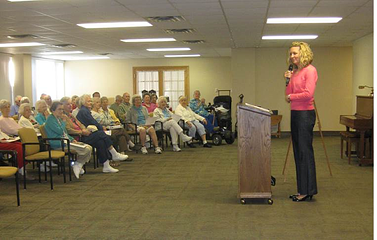 Recruiting residents to participate in your community fitness offerings can be a challenge. Most communities offer a variety of standard services, classes, and programs to try to regularly engage their residents. Whether you are wanting to recruit new residents or spark some enthusiasm for your regulars, read on to learn about three nontraditional programming ideas that can help boost participation in your community fitness offerings.
 The heat index is approaching 100 degrees, and its only 8am. You are sick to death of running on the treadmill at the gym and want another option to burn some calories and improve your cardiovascular endurance. Well, my friend, have you considered the pool? You don’t have to be a swimmer, have fancy equipment, or even be coordinated to get a great workout in the pool.


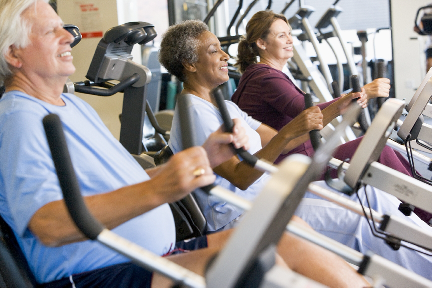 Physical activity and exercise are two different terms that have similar concepts. Physical activity such as gardening, walking the dog, mowing the lawn, shopping, and taking the stairs gets your body moving. Exercise is a form of physical activity that is specifically planned, structured, and repetitive, such as strength training, yoga, or aerobics class. Both physical activity and exercise are great for seniors to keep up the daily activities they enjoy.
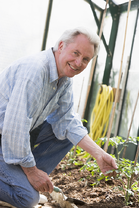 Gardening and lawn work are not only good for cultivating healthy and delicious food and beautiful landscaping, but they are great ways to stay active. Think about all the tools that are used for gardening and yard work: rakes, hoes, wheelbarrows, clippers, shovels, watering cans, and many more. The use of these tools requires the work of all major muscle groups, including your legs, arms, buttocks, stomach, neck, and back.