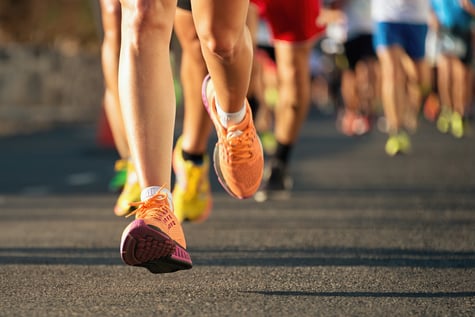
What Is Biomechanics?
In the health and fitness world, biomechanics is a subdiscipline of kinesiology. Kinesiology is the broader study of movement, incorporating topics like anatomy, physiology, motor learning, and exercise science. Biomechanics narrows the focus to examine the structure and movement within the musculoskeletal system, mostly focused on mechanical forces acting on the body.
These mechanical principles come from physics and engineering and help us understand how internal forces like bones, joints, and muscles produce motion. External forces like gravity can also show how they impact the body during movement. Having this knowledge plays a key role in improving performance, injury prevention, and designing sport-specific equipment and training strategies.
Core Principles of Biomechanics
Biomechanics core principles involve kinematics and kinetics. Kinematics is about describing motion, or how things move, without considering the acting forces. Kinetics is about the forces that create motion, or why things move, and includes internal and external forces. Key components of this include understanding motion, force, leverage, and balance. The body functions as a system of levers, and understanding how these systems work together allows for more efficient and safer movement patterns.
Applications of Biomechanics
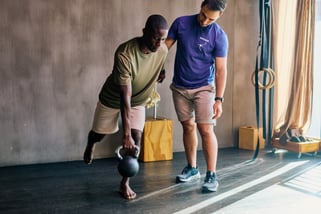 Biomechanics applies basic principles of physics toward key areas like improving human performance, reducing risk of injury, and designing specific exercise equipment. These insights can help increase speed, efficiency, and power, all great for improving technique.
Biomechanics and Injury Prevention
Biomechanics plays a major role in injury prevention by identifying improper movement patterns like poor lifting or running form. Addressing these issues can reduce excessive joint stress and overuse injuries. Applying biomechanical principles is also important in rehabilitation to help guide exercise selection, progression, and determine when an individual can return safely to activity.
When it comes to creating exercise gear and equipment for sport performance, biomechanics can play an important role. It can help with engineering designs such as making running shoes for certain gaits, prosthetics for replacing missing body parts, and wearable gear that can provide real-time data.
Improving Biomechanics
Improving biomechanics requires intentional work on movement quality, not just strength or endurance. Key strategies involve getting a biomechanical assessment, focusing strength training with quality form, and improving mobility and flexibility. Biomechanical assessments involve having a professional screen movement patterns to identify any imbalances. Weight training with proper form involves reviewing movements during lifts to identify posture issues or inadequate movement patterns. Building strength in smaller stabilizer muscles can help support the joints and aid in proper alignment. Improving mobility and flexibility can also benefit biomechanics by increasing range of motion and improving overall technique.
By bringing the worlds of biological science and engineering principles together, biomechanics allows us to examine all forces acting on the body. This understanding allows practitioners and individuals alike to prevent injuries, improve movement efficiency, and support effective rehabilitation.
By applying biomechanical principles, the general population can move more safely, perform more efficiently, and function better in everyday tasks. Ultimately, biomechanics serves as a foundation to help individuals of all abilities move with more confidence, control, and purpose.
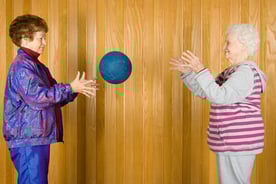 Take a simple game of catch. It may seem basic, but there’s a lot going on beneath the surface.
.png?width=299&height=251&name=WC%20Social%20Graphics%20(2).png) As adults, sometimes thinking about having to carve out time to exercise feels heavy and even unmotivating. We get stuck in our routines, and daily movement becomes another chore to cross off the list. What if you could reframe that mindset? What if movement could feel like adult recess—a time to be creative, play, explore, and try new things? This doesn’t have to be an everyday occurrence. Bringing fun into your routine even a few times a week can help exercise feel more meaningful and sustainable. Here are some ways to make that shift:
As adults, sometimes thinking about having to carve out time to exercise feels heavy and even unmotivating. We get stuck in our routines, and daily movement becomes another chore to cross off the list. What if you could reframe that mindset? What if movement could feel like adult recess—a time to be creative, play, explore, and try new things? This doesn’t have to be an everyday occurrence. Bringing fun into your routine even a few times a week can help exercise feel more meaningful and sustainable. Here are some ways to make that shift:.png?width=338&height=283&name=WC%20Social%20Graphics%20(1).png) As you are training for an endurance race of any kind, it can be very difficult to build up to high mileage and maintain it. The mileage will start to put stress on the body and drain your energy, no matter the good that it still causes. But have no fear, because there are ways to manage this and help the body maintain your abilities for longer. Here are a few different ways this can be accomplished:
As you are training for an endurance race of any kind, it can be very difficult to build up to high mileage and maintain it. The mileage will start to put stress on the body and drain your energy, no matter the good that it still causes. But have no fear, because there are ways to manage this and help the body maintain your abilities for longer. Here are a few different ways this can be accomplished: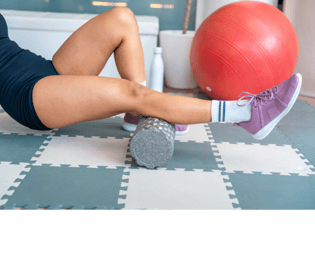 While training, we create microscopic tears in our muscle fibers. The cardiovascular system is stressed. Our joints and tendons absorb thousands of pounds of force with each step run and with every repetition. None of that adapts, strengthens, or improves during the lift or run itself. This improvement happens during rest, when your body can rebuild smarter and stronger than it was before. If we skip that process, we don’t just stall our own progress—we run the risk of injury, burnout, and fatigue that makes our end goals seem impossibly far away.