
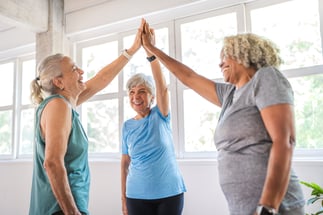
 The question is no longer, “Do we have a fitness center?” The stronger question is, “Are we using the fitness center to its full potential as part of our mental wellness ecosystem?”
For many senior living communities, the fitness center has traditionally been viewed as an amenity. It’s a highlight on a perspective resident tour as the place where residents can exercise. When intentionally programmed, staffed, promoted, and integrated into the broader community, the fitness center becomes more than an amenity. It becomes a meaningful part of the community’s mental wellness ecosystem. Why is this important? In a recent NIFS survey of the senior living industry, over 50% of communities reported an increased prevalence of residents struggling with depression and anxiety.
A fitness ecosystem is not just a room with equipment, or a calendar filled with classes. It is a purposeful system of programs, people, and touchpoints that helps residents move regularly, feel connected, gain confidence, and build meaningful routines. For residents navigating change, loss, stress, anxiety, depression, or loneliness, that support can be powerful. Fitness is not a substitute for clinical care, but it can be a valuable part of a community’s broader mental wellness strategy.
By now, the connection between movement and mental health is well known. The World Health Organization recognizes that regular physical activity provides both physical and mental health benefits, including reduced symptoms of depression and anxiety, improved brain health, and improved overall well-being. The Mayo Clinic also notes that physical activity can support emotional balance and may help reduce anxiety and depression.
For many residents, movement is not just about fitness. It is about feeling capable, connected, and supported in daily life. The CDC identifies reduced risk of depression, improved independent living, better bone health, and reduced fall risk among the benefits of physical activity for adults age 65 and older. When a resident feels more confident walking to dinner, joining a class, engaging in their favorite hobbies, or moving safely through their day, the benefits go far beyond physical health.
This is why community leaders should see the fitness center as more than a place to exercise. When done well, it becomes a familiar and supportive space where residents can build routines, see friendly faces, receive encouragement, and celebrate progress along the way. It creates simple but meaningful moments where residents are greeted by name, personally invited to participate, and recognized for the wins that matter to them. Those small touchpoints can make a big difference, especially for residents who may be feeling disconnected or unsure where they belong.
This ecosystem approach requires more than offering exercise classes. It requires intentional staffing, thoughtful programming, cross-department communication, and leadership buy-in. Fitness professionals should be empowered to notice changes in participation, connect residents to appropriate programs, communicate trends, and collaborate with life enrichment, therapy, nursing, food and beverage services, and resident services. When these departments work together, the fitness center becomes a hub for whole-person wellness.
For community leaders, this is where the opportunity lives. The fitness center can be more than a service residents use. It can become a meaningful part of how residents feel supported, connected, and encouraged in daily life. When fitness is intentionally woven into the community’s wellness strategy, it helps create an environment where movement feels accessible, progress is celebrated, and residents know they have a place to belong.
Click here to learn more about NIFS data-driven approach to helping residents gain strength and maintain their independence!
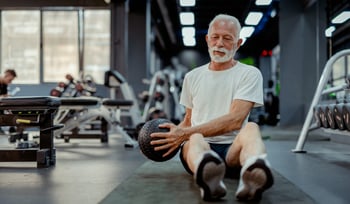 An individual walks into my office and asks to work on his balance because he is very fearful of falling. He is 82 years old. I will call him Joe. So, I asked Joe a series of questions. Joe has already been a member (application and consent have been completed) and has had a doctor’s consent to participate in a program for our wellness center. There are sensory deficits that can contribute to balance issues, such as lack of hearing or vision loss. Joe has both. Also, he struggles with getting up from a chair and up and down stairs. He does use a cane.
 While personalization is important (specificity is still my favorite training principle), determination is the real key to long-term success. And, we have found, through study and real-world evidence, the most effective way to complete a big goal is to break it up into smaller pieces and create ‘smaller’ goals that offer reward along the way.
.jpg?width=315&height=210&name=GettyImages-2206518409%20(1).jpg) Your body needs to be able to handle whatever life throws at it, whether you’re an athlete training for your next competition, a weekend warrior striving for a personal best, or someone just wanting to finish a round of yardwork without a sore back. Progressive Resistance Training is the key to building your body’s natural armor, protecting you from injury while unlocking new levels of performance.
Your body needs to be able to handle whatever life throws at it, whether you’re an athlete training for your next competition, a weekend warrior striving for a personal best, or someone just wanting to finish a round of yardwork without a sore back. Progressive Resistance Training is the key to building your body’s natural armor, protecting you from injury while unlocking new levels of performance.