It’s Random Acts of Kindness Day!!! The “pay it forward” movement stems from this day of kindness helping to incorporate it into our schools, workplaces, homes, and communities. A random act is not premeditated and an action to offer kindness to the outside world. Choosing to perform acts of has many benefits to our health – emotional, mental, and physical. Let’s take a closer look at how choosing kindness benefits our health.
Emotional Benefits:
- Makes people feel helpful and optimistic
- Boosts self-esteem
- Increases oxytocin, a hormone making us feel connected to each other
- Creates a sense of belonging therefore reduces feelings of isolation
- Releases positivity – we feel better and those that we are kind to feel better leading them to pay it forward
Mental Benefits:
- Reduces levels of the stress hormone, cortisol
- Decreases overall anxiety
- Helps improve feelings of depression
- Reduces negative emotions such as anger
Physical Benefits:
- Lowers blood pressure
- Boosts immune system
- Improves cardiovascular health
- Provides a positive outlook on life which can help you live longer
- Decreases health problems due to the increase of oxytocin which reduces inflammation
Practicing random acts of kindness is not just about how we treat others, but also how we practice these behaviors on ourselves. We are sometimes so quick to be negative and hard on ourselves. If we change our mindset to being more positive, we can be kinder to ourselves. Act and choose kindness today: Don’t overthink it, kindness is a simple act. Check out these options as simple ways to allow someone to feel kindness.
- Put other’s needs before your own
- Leave an inspirational message for a friend or co-worker
- Send a card to someone
- Give someone a compliment
- Hold the door open for someone
- Practice gratitude
- Be kind to yourself
- Send someone flowers
- Volunteer in your local community
- Donate to a charity
- Run an errand for somebody
- Be kind to a stranger
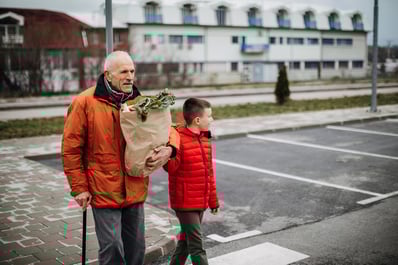
- Help an elderly person
- Make someone laugh
- Leave an extra tip
- Donate food to the food pantry
Practicing random acts of kindness increases a person’s sense of happiness. Kindness is contagious and something we should all want to spread to others. What act of kindness will you perform today?
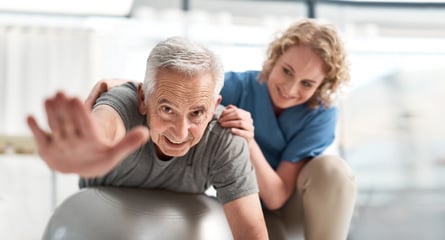 Improving balance can be tricky. Where do we start? What even is balance training? Standing on one leg? Walking more? It seems like everyone has their own idea of balance. What we do know, is that it becomes more important for active older adults to build and maintain balance with each passing year.
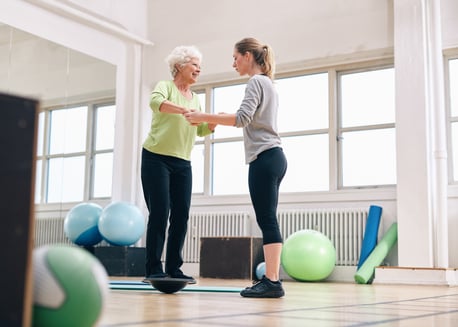 If you’ve ever worked with older adults you likely know about this love/hate relationship everyone has with any program labeled “Fall Prevention”. Residents are certainly interested in learning about how to prevent falls. They have a healthy fear of falling. But often times, they don’t want to move outside of their comfort zone to practice the things that will actually improve balance and fall prevention.
.jpg?width=437&name=GettyImages-1279631867%20(1).jpg) When it come to health, certain fats can have a positive effect, whereas other can negatively impact your health. All fats are equal from a caloric standpoint meaning they all contain 9 calories per each gram of fat no matter the type. There are 3 main types of fat - saturated fats, monounsaturated fats, and polyunsaturated fats. The 2020-2025 Dietary Guidelines for Americans recommend that the
When it come to health, certain fats can have a positive effect, whereas other can negatively impact your health. All fats are equal from a caloric standpoint meaning they all contain 9 calories per each gram of fat no matter the type. There are 3 main types of fat - saturated fats, monounsaturated fats, and polyunsaturated fats. The 2020-2025 Dietary Guidelines for Americans recommend that the
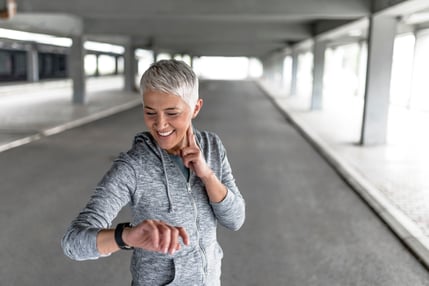 Exercising and having a healthy diet are key components to maintaining or even improving heart health. A heart healthy diet consists of food low in cholesterol, sodium, and high in fiber. Following the
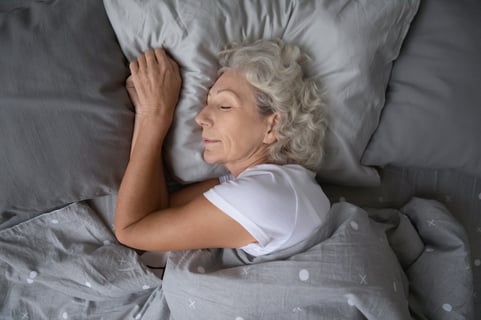 Sleep is an essential need that the human body requires. It is vital for the infrastructure of good health. Not getting enough sleep can have a great effect on the body physically and mentally.
  Name:
Name: