
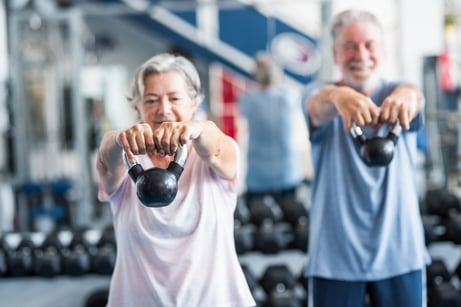
 High intensity interval training (HIIT) sounds like something that is best for the 20-40 year old or athletes, however research begs to differ. Studies show that high intensity interval training is good for all ages, even if there are chronic health issues and you’re not a lifelong exerciser. In fact, HIIT workouts may be able to provide more benefits than other less-intense modes of exercises, such as steady state cardio.
Steady state cardio vs Interval training vs HIIT
When most people go to the gym, they get on their favorite piece of cardio equipment set the speed and move at the same rate throughout their workout. This type of cardio is known as steady state cardio. Sometimes, people will use the different functions on the machines such as hills, weight loss or interval training. All of these have a different levels of high and low intensity. This is known as interval training. HIIT workouts are similar to interval training with the primary difference being the intensity of interval. With a HIIT workout the intensity is between 80-95% of your maximum heart rate. (220-your age= your maximum heart rate)
Benefits of HIIT Workouts
Increases Muscle Size and Strength
Did you know it is common to lose eight pounds of muscle as we age? Maintaining or improving muscle mass is not only important for everyday physical tasks like picking things up, reaching for something, getting up out of chair, but healthy muscles are essential for organ function, skin health, immunity and your metabolism.
Stronger Heart and Better Lung Capacity
Numerous studies have found that HIIT workouts are more beneficial than steady state cardio at improving cardiorespiratory. A study published in Cell Metabolism found that cycling between short periods of intense exercise and periods of recover, improved both cardiovascular and respiratory health in older adults. The over-65 group specifically experienced an impressive 69 percent increase in their ability to take in oxygen.
In addition, research shows that HIIT and interval workouts put less stress on the heart when compared to steady state aerobic exercise.
Lower blood sugar and insulin resistance: We know exercising is beneficial for losing weight, however according to a report by the Aarhus Hospital in Denmark, a short 10 minute HIIT routine three times a week, is one of the most effective forms of exercising for reducing type-2 diabetes risk and lowering blood glucose levels to healthy levels.
Improves Memory: Memory loss is something that can affect us all, however as we age our memory recall seems to fade. HIIT exercises are very beneficial for improving memory. Specifically, it improves the high-interference memory—the kind that helps you tell two similar things or memories apart.
Ready, Set, Go: Before starting any new exercise regimen, make sure to get clearance from your doctor. The best way to integrate HIIT workouts into your current exercise plan is to start with longer rest periods, such as 1 minute high intensity followed by a 3 minute recover. As your recovery improves, work on shortening the recovery time. Remember to have an effective HIIT workout, giving yourself time to recover is key.
Some ways to add HIITS to your current workout routine
Walking: Start by walking at a comfortable pace. Then for one minute walk as fast as you can and pump your arms and/or raise your knees. If you’re on a treadmill, increase the elevation. Then walk at a pace that will allow your breathing and heart rate to come down.
Swimming: Swim a few laps at your normal speed, then swim one lap at an all-out sprint. Go back and swim at your normal or a little slower speed.
Bike/Nu Step: Start by peddling with little or no resistance. To raise the intensity you can either increase your speed, increasing resistance or both. After your sprint, go back to the speed/resistance you started with.
Looking for some other ways to increase the effectiveness of your workouts? Subscribe to the NIFS Fitness blog.

 The correct footwear plays a vital role in your time running on the road or just walking around at home or work. But what makes a good running shoe? With a wide variety of options it can be hard to determine the best fit for your foot type. Knowing if your foot is normal, flat, or high-arched can play a role in the type of shoe best for you. An employee at a fitness store should be able to help you determine the best type of shoe for your foot.
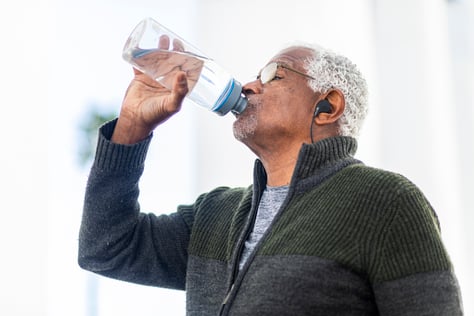 These are both great questions and very important to the older adult population. I hear all the time that people don’t like to drink water because they will need to go the restroom more. This can be an inconvenient especially during the night but in the long term we need to make sure we stay hydrated. Proper hydration is essential in keeping multiple systems of the body functioning properly. Most people need to drink at least three liters of water per day. You can get this water from many different sources including vegetables. If you can get one liter from what you eat during the day with a fruit and vegetable rich diet, then you will only need to drink two liters.
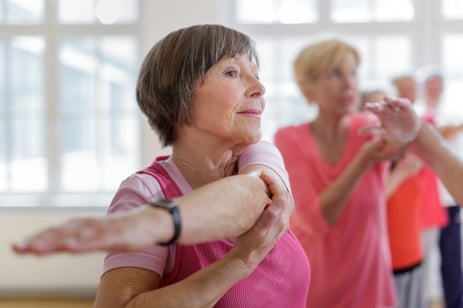 ‘’I am so stiff”. This is a statement heard quite often. More than likely, that stiffness or any type of unknown muscle pain may be result due to the lack of muscular flexibility. Flexibility is crucial in preventing muscle shortening while maintaining muscle length. Some additional benefits of flexibility are improved posture, physical performance, and strength. Stretching does not have to be done before or after an intense work out but should be incorporated within our everyday routine. If our muscles are warm, stretching can be done. I’d suggest immediately after a warm shower. Be sure to be grab a chair also. Yes, you can obtain the same results without being in a standing position.

 Once you determine your “why” you want to use that to help set your SMART goal and create your plan. The SMART goal technique can be used in many aspects of life, from fitness goals to work goals to even relationship goals. It helps to determine your long-term goal along with smaller short-term goals to achieve along the way. Think of these goals as stepping stones towards the success of your long-term goal. They should be built into your plan and will help keep you accountable along the way.
 At some point in our busy lives we eat a quick meal, or get so busy we forget to eat. Our jobs can leave us working while eating lunch, not truly taking the time to sit for the meal. Check out these four "not-so-healthy" habits and how you can work to fix them to avoid overeating during your meals.
 Did you know? An ongoing lack of sleep or poor-quality sleep increases your risk of health problems such as cardiovascular disease, high blood pressure, diabetes, depression, and obesity.
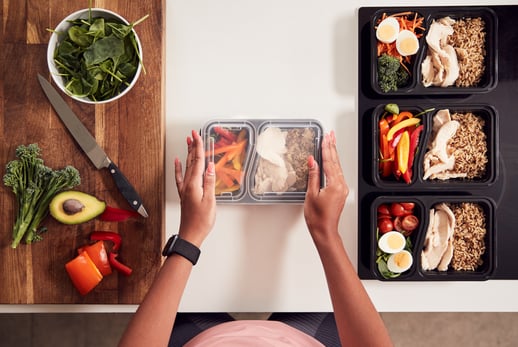 Are you hoping to start meal prepping to allow for more time during the weeknights? Meal-prepping is a great way to ensure you are eating a well-balanced diet, even when you are on a time crunch throughout the week. It can be a daunting and time-consuming task at first, so here are a few tips to get you started.
 Eating out at restaurants or on the go doesn’t have to break the calorie bank or bust your diet. Here are some tips and tricks for keeping your order healthy when eating out:
 When you live with chronic pain, the only one who can know how much it hurts is you. Pain can be hard to describe because it’s both invisible and personal. If you can’t put into words how much pain you’re in or how it affects your life, your doctor, physical therapist or fitness trainer can’t prescribe the right treatment or exercises for you. Go through these questions to help you get the relief you need.