
This blog was written by Kara Gootee-Robinson. Meet our blogging fitness specialists at the NIFS website.
April is the perfect month to start walking for exercise, or to simply ease back into a workout regimen. It is easy to do and can be done anywhere. All you need is a good pair of tennis shoes.
There are many health benefits associated with walking. It helps to lower LDL levels (“bad cholesterol”), raise HDL levels (“good cholesterol”), lower blood pressure, reduce risk of type-2 diabetes, manage weight, improve mood, and increase overall fitness level.
How to Start a Walking Program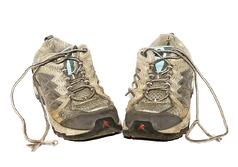
Remember to begin slowly when starting a walking program. Take a few minutes to prepare yourself at the beginning of every walk. Wear comfortable clothing and protective shoes. Begin each walk with a five-minute warm-up at a comfortable pace and then stop to stretch major muscle groups. This will increase your heart rate and help prevent injuries. After each workout, cool down for five minutes at a comfortable pace.
It is important to follow proper technique when walking. Head should be held high, shoulders down and relaxed, arms swinging naturally at side, and feet should be shoulder-width apart.
Setting Exercise Goals
Setting realistic goals will keep you motivated and more focused on the end result. Make a few short-term goals such as “I will walk three times each week.” Also set a long-term goal so you know what you are working toward. An example of a long-term goal is, “I will be able to walk three miles after three months of walking.”
Tracking progress will help keep you motivated. It will also show improvements over time. Record in a notebook the date and how long each walk was.
The most important thing is to have fun! If you enjoy what you are doing, you will continue doing it. Change your walking route often to prevent you from getting bored. Try walking at lunch and invite a few coworkers to join you!
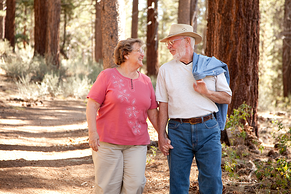 Walking has long been touted as one of the most effective forms of aerobic exercise an individual can perform. The convenience of walking and the relative ease of it (compared to some other forms of high-impact exercise) make it a beneficial part of any exercise program for individuals of all ages.