
 These days it seems there is one new health or weight-loss diet out every week. My clients are constantly saying to me:
- “Is worth it?”
- “My friend lost a gazillion pounds on it, so it must work!”
- “I saw on TV how this diet cures diabetes.”
- “But Dr. Oz says…”
And before I knew better, I fell into the trap of these diets myself! Back then it was SlimFast and the Richard Simmons plans that were all the rage. Nowadays, we see the Fasting Diet plans, Paleo, Whole30, and Weight Watchers. And while I don’t think all of these plans are horrible or unsafe, I do believe that for the most part you should save your time and money if the diet does any of the following things.
Tells You to Follow Strict Meal Plans
Life is already complicated enough. Limiting food choices or following rigid meal plans can be an overwhelming, unrealistic feat. With any new diet, always ask yourself: "Can I eat this way for the rest of my life?" If the answer is no, the plan is not for you.
Promises Rapid Weight Loss
Slow, steady weight loss is more likely to last than dramatic weight changes. Healthy plans aim for a loss of no more than 1 to 2 pounds per week. If you lose weight quickly, you are 100% more likely to gain it back just as quickly.
Says to Consume Foods in Excess or Cut Them Out Completely
Ditch diets that allow unlimited quantities of any food, such as grapefruit and cabbage soup. It's boring to eat the same thing over and over and hard to stick with monotonous plans. Avoid any diet that eliminates or severely restricts entire food groups, such as carbohydrates. These aren’t necessary or realistic; you can lose weight without these nutrition extremes.
Requires Supplements Like Pills or Powders
Might as well take your money and just throw it in the trash. Not only are these supplements not necessary, they are not proven safe or effective. Ask a trusted professional and learn the consequences for yourself.
Conflicting claims, testimonials, and hype by so-called experts can confuse even the most informed consumers. The bottom line is this: If a fad diet or product sounds too good to be true, it is.
Unsure of where to start or what is right for you? Grab our free download on the benefits of meeting with a nutrition coach, click below!

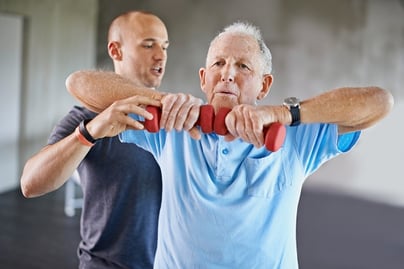 Resident wellness programs have been on the rise in senior living as consumers demand more robust and holistic options for living well. Despite the market's increasing infatuation with branding and labeling wellness in the community setting, I think the industry has a lot of room to continue to grow so that we're building programs, services, staffing, and amenities in a way to facilitate residents' desires to live well. Following are some common pitfalls that result in dated or stunted wellness programs, along with ideas for how to evolve past those sticking points.
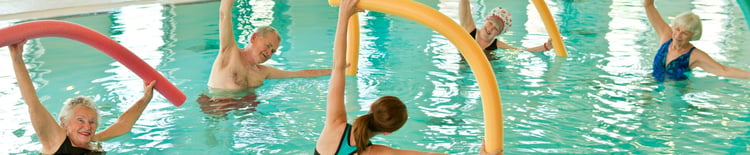

 This week more than 7,000 professionals working in senior housing and related businesses converged in New Orleans, LA, to share their passions, learn from each other, and return back to their communities inspired to continue doing great work for the older adults they serve. I was honored to be at the
 .jpg?width=320&name=LeadingAge%202017%20(2).jpg) As I sat in the
As I sat in the  Don’t let your corporate wellness program be the last thing you consider for next year. If you leave it on the back burner, your big ideas could be unsuccessful if not thoroughly planned. Start now, pull your team together, get out for a walking meeting and start forward thinking.
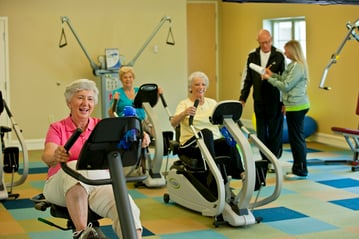 You need your fitness center to be a hallmark, a standout for the community. For your current residents, it should be one of the most praised offerings both because the staff are well-loved and because they are effective at keeping residents engaged with new, consistent, well-done offerings. The fitness program should also be on the list of reasons prospective residents choose your community. But if the group fitness calendar and the personal training services look the same as all the competition, and if you don't have the necessary data to tell key stories about how resident's lives have been improved by participating, then you're missing out on an opportunity.

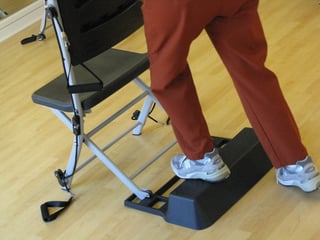 Fall prevention. It's a big deal in senior living. When a resident falls, the
 When we first started talking about
 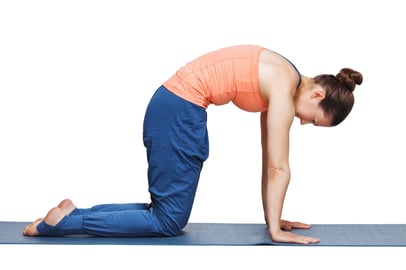 After a workout, it’s important to