
 Active Aging Week is fast approaching! Our staff started planning this year’s events months ago - I’m talking work groups starting back in early April. We wait patiently for the ICAA to roll out the annual theme and then the creative geniuses of our staff get to work. As we continue to fine tune the last details of the events coming up on September 22-26, staff and residents alike are excited and the buzz of Active Aging Week is in the air! Read on to learn why we put so much advanced planning into our week of events:
- It Takes a Village: for an over the top successful Active Aging Week, we’ve learned that the more involvement we include from different community staff, the better! When residents hear about various staff and departments being involved in the planning of the events, they won’t be able to resist getting caught up in the buzz and excitement. As we map out our events for each day of the week, we flag which programs could benefit from the added skill sets and passions of other community personnel (not just your activities and fitness staff) as well as resident volunteers. We then spend time working with these folks on their creative ideas and how they can contribute to the program in a way that is meaningful and fun for them! When you plan well in advance and can speak with staff about how they could volunteer, you have time on your side to coordinate this additional layer of community involvement!
- Set Your Event Apart: our staff have annual planning calendars of the various fitness and wellness programs they already offer to residents each month of the year. It takes an additional effort from a planning standpoint (what can we do that is fun, creative, innovative, etc.), but also from a marketing standpoint to help Active Aging Week rise above the rest. It’s a lot of work (fun work mind you, but work none-the-less) planning daily events, so we like to take it to a new level to make sure we get the participation!
- Diversify “Active” Offerings: when residents hear “Active Aging Week” it’s important to help them identify that the week isn’t just about those who are physically active. As we map out our day to day plans for week, we reflect on the eight dimensions of wellness and ensure that each one is touched on in some way or multiple ways throughout the week’s events. This can span more resident interests and abilities than simply focusing on physical activity options alone. It’s important to recognize residents for being active in the community in a way that is meaningful for them so don’t overlook these opportunities to diversify your program options.
- Add Some Friendly Competition: residents often ask our staff what kinds of programs and participation NIFS has established at other communities - they can’t fathom that any community could be as active as theirs (insert our sly smile here…) During Active Aging Week, we report daily participation totals in the events we plan for a friendly competition amongst the communities we serve. Staff report daily standings on a printed display board and communities are able to see how their participation fairs to other communities (scores all are weighted of course to account for varying occupancy levels). Residents truly rally together inviting their neighbors to events to best represent their community’s active lifestyle. Collaborate with neighboring senior living communities or create an internal competition with a focus on daily participation goals!
Whether you are offering a small or large scale Active Aging Week this year, kudos for your efforts in supporting an active and engaging lifestyle for the seniors you serve. Best of luck for a successful year!
 This recent
 \
\
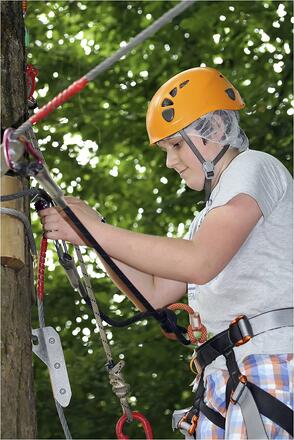 Summer has flown by, unfortunately, and we’re headed into our last long weekend of summer. That obviously means have to have fun and live it up a little, so what better way to enjoy this three-day weekend than by spending time doing some of Indy’s popular activities with your family and friends?! There are a variety of activities available for all ages. You’re probably wondering what in the world there is to do in good ol’ Indianapolis. Some of the popular events include:
 What if I told you that instead of hitting the pavement for that dreaded 2 mile run, you can walk on your lunch break with a co-worker and keep your heart just as healthy? Sounds more appealing, doesn’t it? We have long known the health benefits of walking, but most people would tell you if you want to be “more fit”, you should bump up the intensity to a run compared to a walk. Before you call your running buddy and cancel, let me explain.
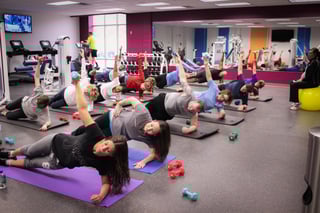 Most businesses have some kind of space available to host a group fitness class. You don’t have to have dedicated group exercise space with a suspended hard wood floor to get started. An open conference room can work at your site for both mid-day and after work classes.
 It’s busy at your community; sometimes it’s so busy that residents complain they have a hard time choosing what program to attend. Inevitably, the calendar is so full they have to miss events they love in order to attend something else. And your activities director is at the heart of that bustling calendar.
 You have established an employee wellness program for your employees, maybe you even have an onsite fitness center available free of cost to your workforce. What you’re finding is that after a long shift of being on their feet, and a couple hours of over-time your workforce is exhausted. It’s hot, some of their work areas do not have air conditioning and they feel they have sweat enough and now you want them to exercise? They already feel like you control their lives, they are work 6 days a week and they don’t want to be required to do more. They are ready to get home, spend some time with their families before waking up to do it all over again. As the employer you are left feeling like your investment isn’t being utilized by employees. It can be frustrating, it's free to them, you have provided top notch equipment, what else could they want? Consider what has been implemented and survey your employees and find out what barriers keep them from utilizing your onsite corporate fitness center or participating in wellness offerings.
 Every morning I am hitting up the NIFS Fitness Center working towards the goal to stay healthy and fit. I see all types of people with different fitness interests; those who participate in group fitness classes, those who always do cardio, or those who strictly lift weights. No matter their interest, I am always curious about their fitness journey. Why did they start? What is their progress? Are they working towards a goal? My usual gym routine consists of mostly lifting weights and getting in some cardio as well. I try to keep it balanced, but it is occasionally difficult. Being female and lifting heavy weights just seems to be so wrong and unattractive to some these days, but why? Wouldn’t you think that
  For the past couple of months, we have been able to enjoy the nice, warm weather, cookouts, vacations, and even those occasional lazy days. While summer is not quite over, this time of year marks getting back to your everyday grind, preparing children to go back to school and hopefully including fitness in both of those plans. Why is it important to include fitness you ask? Well, it is no secret that