
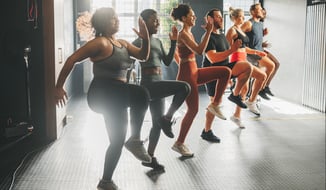
 Functional movement means training your body to move the way it does in daily life, using several joints and muscle groups at once instead of just one. Rather than sitting in a machine to work only a single muscle or group, you pull, push, squat, and twist in ways that match real-life actions like picking up groceries, climbing stairs, reaching overhead, or catching yourself if you trip. The main idea is simple: your body never moves just one muscle at a time, so your workout shouldn’t either.
Functional vs. Isolation Exercises
Traditional gym workouts often use isolation exercises like triceps extensions, leg curls, and chest flyes. These moves target one muscle at a time and are good for building up specific muscles, which is why bodybuilders use them. However, they don’t help your muscles learn to work together as one unit.
Why Training Multiple Muscles Matters
A study compared compound exercises like squats and rows to single-joint moves like leg extensions and bicep curls, with both groups doing the same amount of training. People who did compound exercises got stronger in all the exercises tested. This is probably because using several joints at once challenges and trains your nervous system more.
For example, someone who can power clean 200 pounds has taught their grip, back, hips, and legs to work together. Someone who only does heavy leg curls and back extensions might have strong muscles, but they haven’t practiced the coordination needed to safely lift heavy.
This doesn’t mean isolation exercises have no value. They are helpful for correcting a weak muscle or for bodybuilding. But if your goal is general fitness, better sports performance, or being able to handle daily tasks, functional compound movements give you more results for your time.
Functional Movement and Injury Prevention
One of the best reasons to do functional training is that it can lower your risk of injury. A review published in PeerJ looked at studies where athletes did functional correction training, which means checking for movement problems and then working to fix them. Athletes who did this training had a 60% lower risk of injury compared to those who didn’t.
The reason is simple. Most non-contact injuries happen when a weak spot in your body makes another part take on too much stress. For example, an athlete or person with weak hips might end up with knee pain. An office worker who can’t bend at the hips properly might hurt their lower back when lifting a suitcase. Functional training helps find and strengthen these weak spots before they lead to injuries.
How to Add Functional Movement to Your Workouts
If you’re new to functional training, the easiest way to start is to make sure your weekly routine covers all seven movement patterns. A workout with goblet squats (squat), deadlifts (hinge), walking lunges (lunge), push-ups (push), rows (pull), and a rotational exercise like woodchops (twist) covers every pattern. Walking or running takes care of gait.
Start with body weight or light resistance and focus on moving well before adding more weight. Good quality of movement matters more than how much you lift, especially in the first few months.