Corporate Fitness and Active Aging

Top 10 Reasons Exercise Is Important for Senior Health

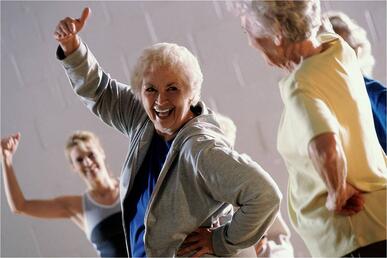
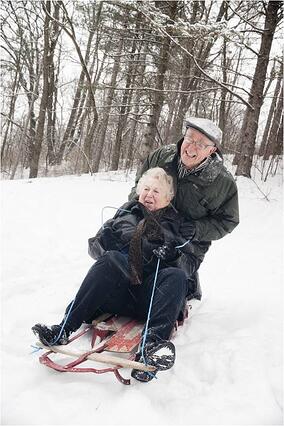
seniors_walkingOver the years, it is easy to forget about exercise when it’s not routine. Remaining sedentary over life can lead to metabolic disorders and other diseases associated with physical inactivity. A recent study suggested that about 67 percent of the older population is sedentary for at least 8.5 hours each day, suggesting a need to improve activity levels for senior health.

Exercise for elderly people should be something performed regularly, and making it fun and a routine can help in the long term. Moreover, there are numerous health benefits the older adult can receive from long-term exercise. Following are 10 reasons seniors should continue to exercise.

  1. Arthritis: Exercise is one of the most crucial options for arthritis management. Regular activity helps lubricate the joints and can help reduce overall pain and stiffness that is often present among individuals with arthritis. Moreover, obesity is a risk factor for the disease, and increasing physical activity levels can help better manage the debilitating symptoms of arthritis. (Here’s another NIFS blog post about exercise and arthritis.)
  2. Heart disease: Heart disease is one of the biggest causes of death in the United States. The Centers for Disease Control and Prevention state that about one in every four deaths is attributed to heart disease. More people exercising later in life can help reduce the number of individuals with heart disease through the management of blood pressure and blood glucose, and decreasing LDL cholesterol.
  3. Metabolic Dysfunction (type II diabetes and obesity): Type II diabetes and obesity are two closely related diseases in which the body is in metabolic dysfunction. Exercise can help maintain proper body weight and help regulate blood glucose and insulin levels to make the body more efficient.
  4. Cancer: Exercise has been shown to help improve overall cancer risk among a variety of different forms of cancer. Studies have shown a 30 to 40 percent reduction in breast cancer risk among women who perform moderate to regular exercise.
  5. Hypertension: Exercise can help lower systolic blood pressure significantly through moderate-intensity physical activity. Try breaking up exercise into three bouts throughout the day lasting for at least 10 minutes each to receive blood pressure–lowering effects.
  6. Depression: Exercise can have a beneficial effect on personal mood. Studies suggest that group exercise classes among older adults can help reduce symptoms of depression by 30 percent or more in exercising older adults. The modest improvement in depressive symptoms can help maintain an overall greater vitality later in life and help prevent negative feelings or thoughts that are common with aging.
  7. Dementia: Dementia is a disabling condition affecting many older adults. With a wide range of mental disorders categorized as dementia, there is a great need to understand how to prevent the condition. Exercise is one prevention strategy that can help slow the mental decline. A recent study showed a 37 percent reduced risk and a 66 percent reduction in risk of dementia when older adults performed moderate-intensity exercise, suggesting every adult ought to exercise to help lower the risk of mental decline and to help prevent mental disability later in life.
  8. Quality of life: Maintaining functional independence is something many older adults want. A regular exercise inclusive of strength and balance training can help accomplish this. Aim to be physically active for 30 minutes every day and to strength train at least two non-consecutive days per week.
  9. Insomnia: Certain medications and life events can prevent the body from proper sleep. Higher levels of physical activity can help exhaust the body enough to place it in a position for restful and lasting sleep. Avoid strenuous exercise two hours before bed to obtain these benefits, and aim to meet the daily activity recommendations.
  10. All-cause mortality: Exercise is known to reduce death from all causes. In fact, a recent study showed a 30 to 80 percent reduction in all-cause mortality when individuals exercised at an intensity level greater than 4 METS, suggesting that exercise can help delay premature death from various causes.

Looking to improve balance for your residents, or yourself?        Click below to download our content.

fall prevention training NIFS

Topics: senior fitness exercise for elderly

Corporate Fitness: How to make fitness fun with pumpkins

anna_cherelle

We are always looking for ways to keep workouts fresh and members engaged. Holidays are a great time to play off of the holiday theme and create unique workouts. Although some may think of them as cheesy, once they get into the workout they realize we haven’t forgotten what they came for – a challenge! Each year around Halloween we plan a pumpkin workout for our corporate fitness members. Why pumpkins? They are everywhere this time of year; why not include them in a workout? The pumpkins act as weights and props. They are less expensive than most gym equipment and come in a variety of shapes and sizes, allowing for a variety of fitness levels to participate.

Around this time each year we start brainstorming how/when we will do our annual pumpkin workout. Once a date and time are picked, we send out a registration link to our members as a “special invitation” to join us. The link also helps us keep track of how many people we will have participating, so we know how many pumpkins to purchase. Through word of mouth, a few flyers, and emails, we’ll typically have a group of 20-30 people!

Planning the workout is where our creativity is put to the test. We try to incorporate the pumpkin as much as possible while making sure the exercises are safe and effective. A few things to consider:

  1. Weight - Each of the pumpkins will be a different weight, so make sure the exercises can be performed with a variety of weights. (Medicine or Dynamax ball are good to have on hand for a quick swap when the pumpkin is not the appropriate weight.)
  2. Shape - All of the pumpkins will have a different shape (some round, some more oval). Take this into consideration when incorporating certain exercises.  

cherelleThere are endless exercises that can be performed with the pumpkin. Start by thinking of go-to exercises that you would incorporate into one of your group fitness classes (pushups, squats, lunges, etc.). Now, think about how a “weight” or pumpkin can be added. For example, hold the pumpkin at your chest while performing a squat, put one hand on the pumpkin for an added challenge during a set of pushups, or push the pumpkin overhead after performing a lunge. Structure your workout so every major muscle group is targeted by the end. Also, throw in some cardio bursts, such as running with the pumpkin, bear crawling while rolling the pumpkin along at your side, or performing mountain climbers with your hands grasping the pumpkin. Add some core exercises as well (planks with a pumpkin roll, Russian twists, sit-up with a press, single leg v-ups).  Think about the amount of space that you have and plan accordingly.

AnnaSo, now you’ve secured participants and planned the exercises; don’t forget about one of the most important parts – pumpkin preparation! In the past, we’ve purchased our pumpkins a few different ways. A visit to the local supermarket allowed us to hand-pick the pumpkins sizes, but you’ll need some muscle power and a large car.  We’ve also gotten our pumpkins from a distributor – this proved to require less hassle as the pumpkins were delivered right to our door, but also resulted in less variety in sizes.

Depending on the condition of your pumpkins, they may need a quick cleaning to remove dirt and in most cases will need their stems cut so that no sharp edges remain.  A basic saw or knife works well for this – just don’t wait until the last minute to make sure your pumpkins are ready to go! We advertise that pumpkin selection for the participants is first come, first served, but as mentioned above, we have extra medicine balls on hand if someone needs to switch out. 

Now, you’re ready to give your participants a SPOOK-tacular experience with a souvenir pumpkin to remember it by! Looking for other ways to make fitness festive this October?  Check out NIFS Fitness Management's Best Practice: SKELETONE!

NIFS Best Practices Corporate

Topics: employee health corporate fitness

Corporate Fitness: Increasing Fitness Participation with SKELETONE

SKELETONEYou want to see your corporate fitness center investment being used by your employees and you depend on your fitness center management team to do so.  What if I said one of our managers did exactly that with a simple, fun (and yes, silly) program.  Check out this data:

  • Increased monthly visits by 23% over the previous month
  • Demonstrated a 40% increase in active members who attended the fitness center at least eight times or more compared with the previous month

If you ask me, those are some pretty decent increases in participation compared to the prior month.  Now what if I told you it was done with a fun little incentive called SKELETONE!  It is amazing to think what a bunch of adults will do when you put a fun and silly program on the wall to get them competing with each other to see who can complete building their skeleton first.

The program was simple, after signing up you receive your skull and each time you visit the fitness center and complete a SKELETONE workout you receive a bone to build your skeleton.  The goal was to receive all nine parts to complete the challenge, which for us was more about members visiting the fitness center eight or more times in the month.

I’m sure you’re wondering how this basic program was so successful.  Our corporate fitness center manager knew he wanted to increase monthly visits and really get people to visit more than a handful of times for the month.  Promoting the program was going to be key and he needed to do so outside of the fitness center to get members to enroll.  The client site was having a wellness fair the month prior which created the perfect opportunity to use it as a spring board for promoting what was coming in the fitness center.  When evaluating the program after the fact, he felt that promoting SKELETONE at the event really “salted the jar” and got people interested.  The event alone resulted in 52 participants signing up for the program in advance.

Programming is essential for the big picture in corporate fitness; consider what else you can achieve when you have the attention of members.  Group fitness is a popular at this particular site and with some unfamiliar faces pre-registered for the program it was a great opportunity to promote classes and increase participation for the month.  By adding a twist to the program where participants receive an extra bone for their skeleton when they attended a group fitness class, participation in the group exercise program jumped 51% over the previous month!

Our corporate fitness staff utilizes fun programs such as this one to keep our members engaged.  Adding fun to the workout makes participants want to complete their workout, step away from their desk, and enjoy fitting exercise into their day.  Interested in other ways our staff engage clients?  Check out our Best Practices and see why NIFS Corporate Fitness Management staff is top notch!

NIFS Best Practices Corporate

Topics: Corporate Best Practices,

Corporate Fitness: 5 Tips for Staying Motivated

couple_working_outWe all know that exercising is good for us.  It keeps us full of energy, lowers our risk for disease and helps us look our best.  For some people, these reasons alone are enough to keep them going and motivated to stay on track with their fitness goals.  On the other hand, we all know somebody who struggles to stay motivated enough to adhere to, or even begin a fitness regimen.  Maybe this person is a family member, a friend, a co-worker or even yourself!  Whatever the case may be, I am here to offer five tips that can help even the most unmotivated individual get going. 

Change your Perspective!

Look at your time exercising as your time away from all other distractions.  This is a time that you have set aside for your own personal gain and shouldn’t be spent stressing or worrying about daily issues!  Allow this time be a highlight of your day and use different means to find something that works for you!

Use Your Pets

One of the easiest ways to stay motivated to get some extra activity in is to use your dog!  They will always be a friendly reminder of when nature calls and this can be a cue for you to get up and take a walk around the neighborhood.  This is a great way to get going and enjoy time with your pet while keeping the intensity low and being able to enjoy the outdoors.

Grab a Buddy

Sometimes all you need is that little nudge to get you going.  Get with a friend or co-worker to help keep you honest and agree on a weekly exercise schedule and hold each other accountable!  Support each other on walks or jogs, play a sport or game, or head to the corporate fitness center together to work out and encourage one another.  Work together to make it fun!

Grab Some Headphones/Find a book!

Music is a great motivational tool to finish that cardio session or to finish that last repetition.  Pick some music you can enjoy with a higher tempo you can follow along with.  Are you the type who would rather be swept up in a good story?  Pick up a couple audio books by your favorite author and make a goal to listen to so many chapters during your session.

Be an Inspiration!

Maybe you have children, family members, or friends that would also benefit from developing positive health choices and fitness routines.  Seeing you succeed and commit to a regular exercise routine could be all that a loved one needs to also make a positive change in their lives as well!  What is better than being someone else’s inspiration!

I encourage you to be a motivator, grab fellow employees and go for a walk at lunch, or head to your corporate fitness center to make today your day to live a healthier lifestyle. 

Guide to Successful Corporate Fitness Centers

Topics: corporate fitness employee health and fitness

NIFS: Food and Bribery in Education

childhood_obesityIn 2012, more than a third of children and adolecents were obese meaning they have excess body fat... MORE THAN ONE THIRD!  It's crazy to think that the days of kids running around burning all their energy has turned into kids on tablets, playing video games, and just sitting too much.

Parents, those with younger siblings, and teachers, have you ever had to experience those annoying, never ending tantrums or the unwillingness of others to do a task without a reward? How are you able to persuade one to do what you want or need them to do? Some may say prizes, small gifts, money, candy, or food work the best. A big concern in the news lately is rewarding food to kids for a job well done.

A local news station recently reported on the wellness guidelines in local area schools. Food will no longer be used as a reward for kids and will begin to create a healthier environment in which kids are in a majority of their childhood. For example, a local Indianapolis teacher will now be handing out crayons, jump ropes, offering lunch with the teacher, or the opportunity to be class leader for recognition of the students’ hard work. Instead of pizza parties, ice cream socials, suckers, and candy this school will be receiving sports equipment. This is such a great motivator for kids. I believe that if you get started on the right foot, they will continue to live a healthy and active lifestyle down the road.

If more schools follow the new wellness guidelines, it could turn into a widespread effort. I would prefer sports equipment and fun tools for activities over food or candy, but that’s coming from me, a young adult who has an athletic background and works in corporate fitness. Adults have a larger influence on kids’ choices than we seem to realize. Kids look up to adults and the choices they make. Setting a positive and healthy example could be steps towards a decrease in childhood obesity. If the nation works together as a team towards the same goal, America could be healthier, obesity rates could decrease, and the future could have the possibility of fewer health problems.

Does your child get rewarded with food at school? How would you like to see a reward system change?  Hopefully this is a step towards decreasing America’s childhood obesity epidemic.

Subscribe to NIFS blog

Topics: obesity

NIFS Nutrition News: The Carbohydrate Truth

carbsCarbohydrate sounds like such a dirty word these days. It’s that word that makes everyone cringe or slightly panic, but why? There’s the myth that all carbohydrates are bad, giving people the distorted thought that cutting carbs will help you lose that extra weight you might be carrying. The truth is that not every single carbohydrate is bad. The category of carbohydrates is very broad, so I am going to break it down for you. 

Let’s start with clearing up what they are. Carbohydrates are your best source of energy, fueling the cells in your brain and muscles. No, carbohydrates are not a food group, but a category with three different types of foods that make it up. This category consists of sugar, starch, fiber, and usual a mixture of these three. Sugar can be naturally found in foods like fruit, fruit juices, veggies, and milk. Table sugar is another form of sugar, found in a variety of processed foods that are not so healthy for the body, but they sure are tasty!!! The second type of carbohydrate is starches, which are several units of sugar bound together. A perfect example for this type of food is plants, which also provide a slow and steady release of energy during the day. Starches are the most common form of carbohydrate and make up about one third of the food you eat and contain fewer than half the calories of fat. Crazy, huh?! Fiber is only found in foods that come from plants and great sources can be found in veggies with skins, whole grain breads, pastas, beans, and lentils. Fiber is great for your digestive health too! If you need more examples of these types of food important to your health, then checkout this link about starches or this link about fiber.

But wait, why do we need carbs again? Carbohydrates provide your body with energy, helps prevent disease risk, and aids in weight reduction. Sugars or starches are both broken down into glucose, absorbed in the bloodstream, and fuels your body with energy for activities. Unused glucose can be converted to glycogen, found in the liver and muscles, or converted to fat. Fiber in the diet can promote good bowel health, reduce the risk of constipation, some types of fiber can reduce your cholesterol levels. Are you getting enough fiber in your daily diet? Starchy foods are low in calories, but can be wonderful source of fiber. Fiber keeps you full longer throughout the day and takes your body a long time to break down, helping with weight reduction. Cutting out carbohydrates completely does mean that you might lose some weight, but the minute you add them back into your diet you will gain it back pretty quickly. A balanced diet, taking in the proper calories and nutrients is your best bet! Is carbohydrates still a dirty world in your vocabulary or do you feel relieved that they are not soooo bad after all?

Are you still curious about how many carbohydrates you should eat, which ones should you eat, or if you can survive without carbohydrates? You can click this link to find more truth on the nutrient. Click here if you would like one-on-one help from NIFS with your nutrition and overall health. It’s never too late to improve your diet and become the healthiest you!

 Subscribe to NIFS blog

Topics: healthy food choices nifs nutrition news

Corporate Wellness: Tipping the scale with NIFS Maintain Not Gain program – part 2

group_weighIn the first section of this blog, we outlined some of the core elements that frame Maintain Not Gain.  They’re the pieces that give the program its powerful punch:  it’s team-based, with a little grace, and big time visibility. In part two, we’re going to dive into the facts and see how the program actually works.

It’s not enough to set up a great program where participants form teams, then sign up with the best of intentions, and weigh in on a gigantic scale.  It simply doesn’t guarantee their success.  We take very seriously that it is our job to educate the participants, to motivate them and to provide constant reminders and reinforcements that they CAN be successful at maintaining their weight.   We provide that support in a variety of ways such as:

  • Weekly emails. Over the years we’ve changed the topics, added emails about current trends, low-fat recipes, stress tips.  You name it, we’ve touched on it.   In fact, we’d written so many emails over the years for this program that we started wondering about their effectiveness.  So in 2012, we evaluated the program and asked participants what other topics would they like to see in the weekly emails. We were expecting to hear about new exciting topics to cover for the next year but what we discovered was that people still wanted to know about the basics; blood pressure, BMI, diabetes, cholesterol, etc. You would think by now with the internet, the news, health magazines, Dr. Oz, the constant feed of this kind of information, that people would be sick of it and know it by heart.  For our audiences, that was not the case. So, for our 2013 weekly emails we covered the basics again meeting the requests of our participants.
  • Nutrition education.  We know that our members seem to have an insatiable appetite for health education.  In particular, they routinely ask about nutrition.  Our staff constantly get asked about food, drinks, supplements, fad diets, cleanses, juicing, etc.  Turns out, when we asked our participants if they felt the food in their corporate environment was supportive of their Maintain Not Gain goals over the holidays, 15% said no. While we weren’t happy with that percentage, we used that information to communicate with department leads about making different options when providing food for their departments. We have been able to suggest alternatives such as a less calorie dense yogurt bar filled with fruits, granola and healthy toppings, providing smoothies or even bagels made from whole grains and low-fat cream cheese. We’ve also worked with cafeteria vendors so they can put together a healthier spread if they provide the breakfast, lunches or snacks for departments.

The Numbers Tell The Story

We’ve surveyed participants regularly throughout many offerings of the program.  We’ve learned a lot from the data about how we can provide a better program, and we’ve also learned about what participants are gaining from their efforts:

  •  90% of the participants said Maintain Not Gain has positively influenced their lifestyle choices for the duration of the program.
  •  72% of those who responded said that they were able to reduce their calorie consumption
  • 56% said they increased their daily activity
  • 60% said they ate healthier at holiday parties, and
  • 30% said they reduced the fat in their own recipes.

The biggest reason we’ve been running this program for so long is because it works.  From the participants we surveyed, 87% were successful in avoiding any holiday weight gain and 97% said they will participate next year if the program is offered.

Not only have our participants maintained their weight but we also have many participants who actually LOSE a few pounds. That’s quite impressive over the holidays. In 2013, with one client, we had 2,242 associates sign up for Maintain Not Gain and 1,780 of those participants were successful in maintaining their weight over the holidays. That’s an 80% success rate. Bottom line, we are tipping the scales in the RIGHT direction with our Maintain Not Gain program.

NIFS Best Practices Corporate

Topics: employee wellness Corporate Best Practices,

Corporate Wellness: Tipping the scale with NIFS Maintain Not Gain program – part 1

MNG_LogoThere is more to maintaining your weight over the year-end holiday season than simply weighing in before Thanksgiving and weighing out after New Year’s Day.  Still, before we go off the deep end with ridiculous claims about holiday or year-end weight gain, let’s get the facts.  Despite common claims that traditional holiday weight gain is seven pounds or more, the research shows that people typically only gain one to two pounds during the holidays.  The problem with that minimal gain is that studies show many people never get those extra few pounds back off and, over the course of an adult lifetime, what once seemed like inconsequential weight gain can become a significant health issue.   It’s also worth nothing that at least one study  found that adults who are already overweight are more likely to gain five pounds or more during the holiday season.

Given that there’s an appetite to maintain weight during the party-going-season that is the holidays, many business have folded holiday weight loss or weight maintenance challenges into their annual programming.  NIFS, in fact, has been offering our Maintain Not Gain program to our clients for more than 12 years.  And we think we’ve gotten pretty good at it, but our offering is done with a few different, but powerful twists. 

The Power of the Team

You see, we understand the impact of social networks on weight gain; we also know that teamwork can impact weight loss.  So rather than leaving participants to fend for themselves against their natural networks who may be inadvertently working against them, we decided to opt for the team approach.  It doesn’t take pounds of scientific papers to understand why we chose teams as the basis for participation in our Maintain Not Gain program.  If you’ve ever been on a team you know that personal responsibility and accountability increase greatly when others are depending on you for the entire team to be successful. (Do you want to let your team down because you claimed an extra slice of pecan pie and didn’t move your body enough?)

The Power of Forgivenessthanksgiving_dinner

The Maintain Not Gain program is for people, not robots.  We know what it’s really tough to make it through Thanksgiving without overeating, not to mention all the office pitch-ins, family gatherings, and sweet treats that show up deliciously wrapped and calling your name.  We also know that body weight is a dynamic number and we aren’t huge fans of putting undue attention on a single number.  So, we’ve built the program with some grace by giving each participant a two-pound variance.

As an added bonus, the program focuses only on the weight of your team.  So a four person team has an eight pound grace.  If one person gains nine pounds and everyone else loses a teeny bit, then the team can still claim success.  (Of course, we think there’s maybe some room to improve that team’s dynamic.)

The Power of Fun

This program has become such a fantastic tradition for our staff and our members.  One of the ways that some of our sites elevate the initiative is by renting a multi-person scale so all four team members can get on at once for a total weight.  In this case, we do public weigh ins and weigh outs.  It creates quite a scene as participants giggle and gasps when they see the weight of four people!

For fun, we also set up a competition where we offer prizes for the most creative team name and let all the participants decide the winner. A few of my favorites from last year were, Thin it to Win it, Jingles over Jiggles, Dreaming of a Lite Christmas, and Mission Slimpossible.

In part 2,  of this blog we’ll cover the “how to’s” of our program so that you can get busy building this promising program for your own network.

Guide to Successful Corporate Fitness Centers


Topics: employee health Corporate Best Practices,

Active Aging Week: What does it take to plan a successful event?

aaw14Active Aging Week is fast approaching! Our staff started planning this year’s events months ago - I’m talking work groups starting back in early April. We wait patiently for the ICAA to roll out the annual theme and then the creative geniuses of our staff get to work. As we continue to fine tune the last details of the events coming up on September 22-26, staff and residents alike are excited and the buzz of Active Aging Week is in the air! Read on to learn why we put so much advanced planning into our week of events:

  • It Takes a Village: for an over the top successful Active Aging Week, we’ve learned that the more involvement we include from different community staff, the better! When residents hear about various staff and departments being involved in the planning of the events, they won’t be able to resist getting caught up in the buzz and excitement. As we map out our events for each day of the week, we flag which programs could benefit from the added skill sets and passions of other community personnel (not just your activities and fitness staff) as well as resident volunteers. We then spend time working with these folks on their creative ideas and how they can contribute to the program in a way that is meaningful and fun for them! When you plan well in advance and can speak with staff about how they could volunteer, you have time on your side to coordinate this additional layer of community involvement! 
  • Set Your Event Apart: our staff have annual planning calendars of the various fitness and wellness programs they already offer to residents each month of the year. It takes an additional effort from a planning standpoint (what can we do that is fun, creative, innovative, etc.), but also from a marketing standpoint to help Active Aging Week rise above the rest. It’s a lot of work (fun work mind you, but work none-the-less) planning daily events, so we like to take it to a new level to make sure we get the participation!
  • Diversify “Active” Offerings: when residents hear “Active Aging Week” it’s important to help them identify that the week isn’t just about those who are physically active. As we map out our day to day plans for week, we reflect on the eight dimensions of wellness and ensure that each one is touched on in some way or multiple ways throughout the week’s events. This can span more resident interests and abilities than simply focusing on physical activity options alone. It’s important to recognize residents for being active in the community in a way that is meaningful for them so don’t overlook these opportunities to diversify your program options.
  •  Add Some Friendly Competition: residents often ask our staff what kinds of programs and participation NIFS has established at other communities - they can’t fathom that any community could be as active as theirs (insert our sly smile here…) During Active Aging Week, we report daily participation totals in the events we plan for a friendly competition amongst the communities we serve. Staff report daily standings on a printed display board and communities are able to see how their participation fairs to other communities (scores all are weighted of course to account for varying occupancy levels). Residents truly rally together inviting their neighbors to events to best represent their community’s active lifestyle. Collaborate with neighboring senior living communities or create an internal competition with a focus on daily participation goals!

Whether you are offering a small or large scale Active Aging Week this year, kudos for your efforts in supporting an active and engaging lifestyle for the seniors you serve. Best of luck for a successful year!

Download Our Free  Webinar Series Today!

Topics: senior wellness programs active aging week,

Do office pets decrease stress in the workplace?

office_petThis recent article we shared on Twitter explained the positive effects that a pet can have in a work place, and based on how much traffic we saw from that single posting, it would seem that many of you are pet lovers like me.  What do you think about pets in the workplace?

Most employed people are on a constant search for methods to reduce stress in the workplace, improve their personal health, or maybe even increase productivity at the same time. I mean who has ever heard of not being stressed while getting loads of work done, what??! The article mentioned that employers actually notice a benefit from the having pets around, bringing energy, fun, and companionship. I see pets as great company and comfort. A great example given was the case that pet owners may work longer hours if they are able to bring their pet into work. This would save them from the rush to get home at the end of every day to let their pet out. I know that letting my dog was always a constant thought in the back of my mind. I noticed a higher stress level, worrying about her and how she is holding up at home. Does anyone else have that constant worry?

Randolph Barker, a professor of management in Virginia Commonwealth University School of Business, performed a study in 2013 of dogs in the workplace. The results showed an actual decline in stress among workers, while those who didn’t have pets in workplace showed an increase in stress as the day continued. Among other studies, interaction with pets can lower blood pressure and improve a person’s mood. It is crazy to think the littlest things, like pets (sometimes they are little), can be so beneficial!

Before everyone gets all antsy and starts bringing their pet to work, it is suggested that a written policy be enforced. This can prevent liability and keep a clear policy with all things considered - allergies, cleaning up after pets, and the possibility of aggressive behavior. If this option is not considered, there is always The Take Your Dog to Work Day event sponsored by Pet Sitters International, who set aside a day in June to allow those with pets celebrate pet ownership and bring their pets into the work place. This would be a fun day to see so many pets in the work place! Personally, I know my day would brighten up pretty quick! Think about suggesting this to your employer. Who knows, they might consider the day or year round event!

 Subscribe to NIFS blog


Topics: employee health stress