Throughout 2015, we’ll be blogging about our dreams for corporate wellness, fitness, and aging well. Some of the content will represent a gentle “poking fun” at the industry, but it’s all written to stimulate thought about what really could be if we put our heads together and started mapping out what’s possible in the realm of individual wellbeing. We hope you’ll join the conversation by commenting on the blogs, giving us additional ideas about what to write about, or by finding us on Twitter at #wellnesswhatif.
There is a growing swell of chatter online these days about where corporate wellness is headed. Outcomes-based programs seem to be the flavor of the day regardless of the profound lack of data about their effectiveness. Similarly, the battle of numbers continues between those who promote data about the effectiveness of wellness that is, at best, questionable, and those who strongly object to that potentially flawed data.
Underneath all of the banter is a concept, originally put forward by Al Lewis in his book, Cracking Health Care Costs, that wellness should be something done FOR employees, not TO them. I’m not going to be coy about this—we sit squarely on the side of doing wellness FOR employees. What follows are (1) my observations about common corporate wellness program elements done TO employees, along with (2) what if ideas that speak to our continued quest toward wellness that is FOR employees.
Health Risk Assessments
I have never been a fan of the much-praised Health Risk Assessment (HRA) for a variety of reasons, not the least of which is that the survey tool is one of many done TO the employee. There is very little personal and intrinsic value for the employee when he fills out an intrusive online survey. Sure, employers tack on financial incentives for the employee who follows their rules—and sometimes the incentive is substantial. But there isn’t really any answer for the employee’s question, “How will this help me change my health?” because an online survey (and the results) don’t move any health needle for any sustained amount of time.
What’s worse is that in some cases, flawed HRA recommendations are pointing employees toward unnecessary follow-up medical care that is in direct conflict with U.S. Preventive Services Task Force recommendations. And let’s not discount the harmful effects of employers hacking off their employees by doing what feels like invasive questioning about personal issues, only to leave employees with yet another reminder about their likely substandard health.
Does an employer really need aggregate HRA data to learn that their employees are representative of the adult U.S. population with high rates of overweight and obesity, risk for diabetes, and heart disease, and lack of physical activity? How much did it cost the employer to administer an HRA that provided an employee health profile that was already understood?
Biometric Screenings
And then there’s the bloodletting (oops, I mean screenings). I won’t belabor the issue here because the challenges with finger stick/venipuncture screenings are much the same as what I outlined with the HRA above. When was the last time employees walked away from their screening session feeling enhanced loyalty to the employer—as if the employer was genuinely interested in their health and had their back on taking whatever steps were necessary to improve their health? (If you have that warm-and-fuzzy story, I’d love to hear it.)
The Carrot (or the Stick, Depending on Your Perspective)

Incentives come in carrot and stick varieties, and really, it’s just two sides of the same coin. Whether the employer is offering an incentive or a disincentive is a matter of which side of the message you’re standing on. Frankly, there is little evidence to indicate that financially prodding employees leads to any sustained behavior change. But you don’t have to take my word on this; check out this joint position paper published as a partnership among the American Cancer Society, the American Diabetes Association, and the American Heart Association. And yet, employers put piles of cash into these financial offerings.
All of these tools—if truly helpful to the employer such that they must stay in the corporate wellness toolkit—could be repackaged so as to be an actual benefit to the employee. The employer would need to send a message that clearly indicated a desire to help the individual employee improve his health, and then they would need to back that up by putting their money, policies, environment, and productivity expectations where their mouth is.
The Alternatives
In my opinion, the current wellness program pillars outlined above are flawed—very flawed. So how do we get back to this idea that wellness should be done FOR employees, not TO them? Our staff, largely practitioners through managing corporate fitness centers, took a moment to dream about the possibilities for shifting the current wellness paradigm to one that might actually support and inspire individual health. Here are some of our what ifs:
- What if the five-minute walk break throughout the day was supported, encouraged, team-driven, even required? We’ve been beaten about the head with the research that shows the harmful effects of sitting. But now, new research from Indiana University has demonstrated that walking as little as five minutes on three different occasions during a three-hour sitting period can reverse some of the harmful effects of prolonged sitting.
- What if there were no unhealthy options available in your vending machine or cafeteria? Is this the pendulum swinging too far in the other direction? Most of the clients we work with have shifted to healthful subsidized options with unhealthy choices at full cost. I can’t think of a client who has made a 100% change in their worksite food/snack option, though.
- What if management at ALL levels in the organization supported employees working out during the day? There are a lot of corporate policies that keep employees in their seats, and even for those with more flexible schedules, there is a pervasive management message that work comes first and there is not time for a workout, a walk, a mental health break, etc.
- What if paid-time-off policies provided bonus time off based on the number of minutes an employee spends exercising in the company fitness center? In a similar vein, what if employees who choose to spend their 30-minute lunch break exercising could be given another 30 minutes to still eat lunch, away from their desk? (Gasp…compensated workout time!)
None of these ideas is a complete pie-in-the-sky kind of concept. And just like outcomes-based wellness programs, none of these ideas has been tested for long-term effectiveness (or harm), validated, or assigned an ROI that means anything. They do, however, require a shift in workplace policy, and they require fresh thinking about how organizational wellness money is allocated. These what ifs fit squarely into the “doing FOR employees” camp, and I’m sure there are many more ideas like this out there. Comment below on your own “FOR employees” what ifs or share your successes with these and other ideas.

 Sherri Pryor came to me in our corporate fitness center after starting this journey on her own. She was determined to continue to make positive changes in her life. She was definitely apprehensive about talking to me at first. However, she has overcome her own insecurities to become a stronger and more confident version of herself than the woman that first came to me three years ago. There have been goals set, goals achieved, and goals missed, but through it all she has always kept a positive attitude. This attitude has helped her become the best version of herself she can be. Here is her story!
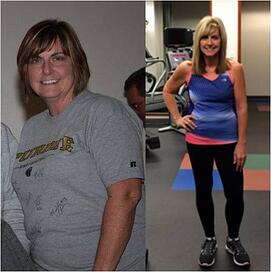 I started this process in early 2012; I was committed more than I had ever been in my life to making changes, exercising more and improving my personal wellness. I was tired of feeling like I had no control over how I felt and looked. There are so many things in life that we truly can’t control. Making time for exercise and doing things to improve your overall health are not on that list. It was hard at first; but it got easier with time.




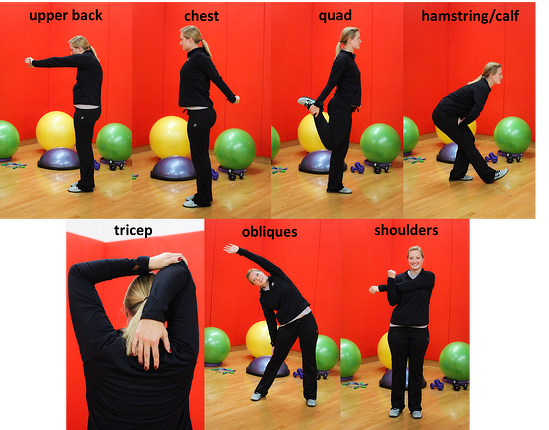
 A new year means new trends to follow! What do you have planned for your workout routine this year? Hopefully, the plan is to either begin or continue your fitness routine, but possibly add more variety into it. Make it your year to become familiar with the endless options and try something new!
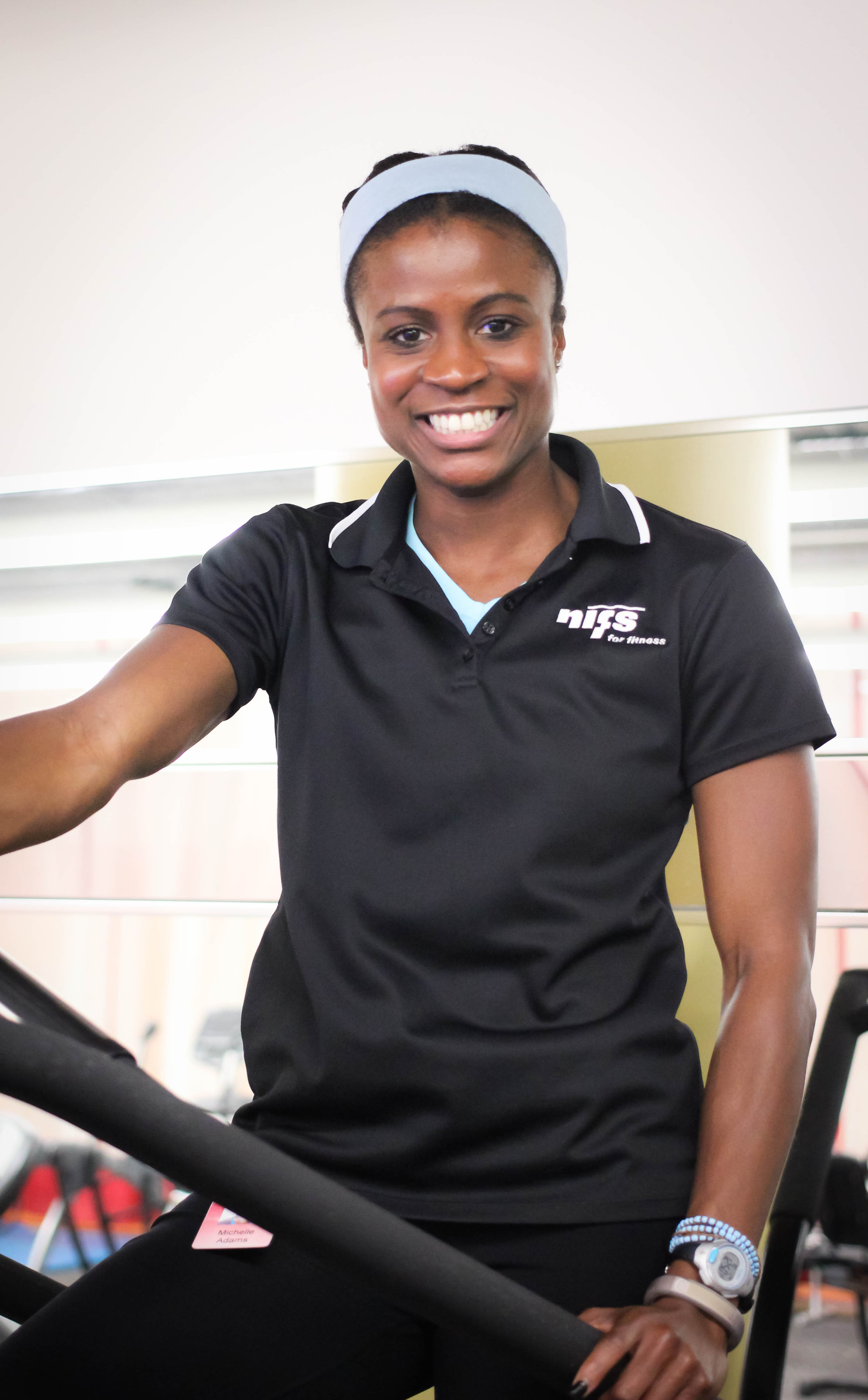 Michelle Adams is a corporate fitness manager in Indianapolis. She began working for
 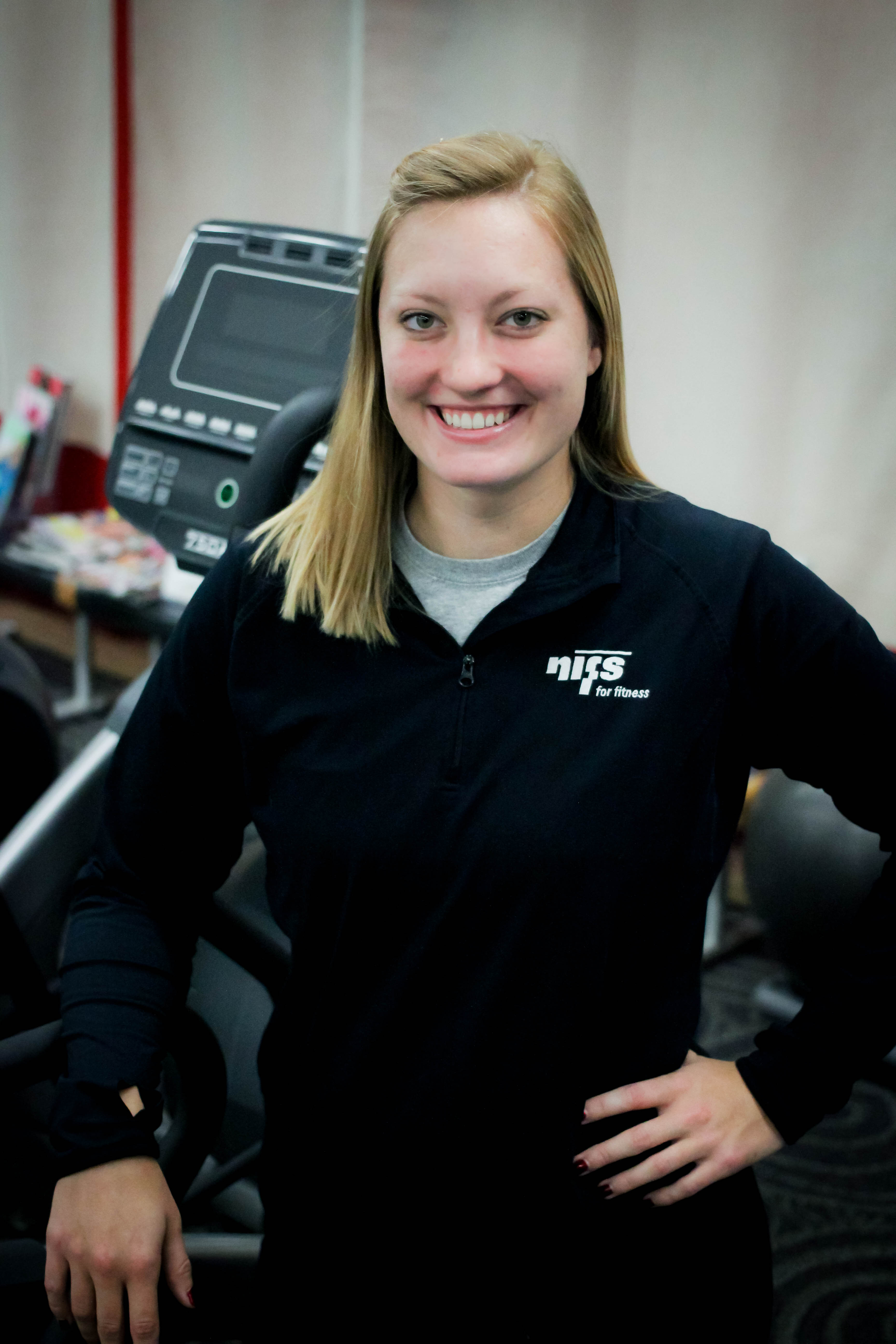 location in Indianapolis. She began with NIFS fitness management shortly after completing her internship with NIFS, Stephanie loves the variety that comes with the corporate fitness setting. She is able to teach classes, personal train employees, and implement health promotion programs. Her favorite part of the job is making those special connections with members to help engage them and keep them coming back. Stephanie is currently certified through the
  Here are some ideas to consider for the New Year:
 When service is slow at a restaurant: