
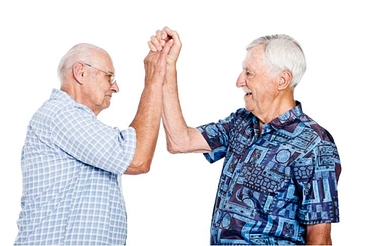
 Many communities have regularly scheduled recreational activities on the monthly calendar such as croquet, bocce ball, or Wii that seem like fairly logical programs to spin into Olympics-themed events in senior living communities. Still, it’s not enough to simply group these regularly occurring events together and call them your Community Olympics. How do you set up the initiative so that it has broad appeal and allows those residents who participate in the events regularly to feel inspired and challenged alongside their novice neighbors? This two-part blog will provide creative tips to kick your Olympics up a notch with your resident favorites as well as provide fresh new ideas for events.
Part I: Kick it up a notch
Many active aging residents, who participate in weekly recreational offerings such as shuffleboard, putting contests, are quite good. Wait, I take that back –they are really excellent! After all they are playing on a regular basis (perhaps their entire lives) and enjoying the friendly competition amongst their neighbors. As the media starts to promote the next Summer or Winter Olympics and you begin brainstorming ideas for another competition, consider how to create something that will be a truly memorable experience for your residents when they are already playing and honing their skills on a regular basis.
Get more of the community involved:
While some residents aren’t interested competing, that element of competition can breathe life into your Olympics and get more residents involved by tapping into volunteers as well as creating spectator opportunities. Create opportunities for your non-competitive residents to engage as volunteers to be scorekeepers, line judges, and coordinators for the individual events. Furthermore as you designate various venues for your events, make sure you include space for spectators and consider offering light refreshments. Market the opportunity for residentsin your senior living community to come and watch and cheer on their neighbors participating in the events. You could even host a workshop where residents can make banners or signs to bring with them and cheer on the Olympians. This can inspire not only your competing Olympian to feel the support of their neighbors, but it might also inspire a resident who is watching the event to give it a try themselves the next time around.
Make it a formal affair:
I’m not talking black ties and ball gowns, but do consider hosting a more formal approach to an Olympics by including an opening and closing ceremony as well as medals ceremonies for the different events you offer. Promote these ceremonies to the entire community and not just the Olympians. If residents are already use to regular tournaments for the recreational programs at the community, these ceremonies can help set your Olympics apart from the offering they partake in from month to month. If you are hosting a variety of different events in your Olympics, have a parade at your Opening Ceremonies to present your Olympians in each event. If you are able to tap into resident volunteers and spectators, recognize their contributions with spirit awards at your Closing Ceremonies.
Residents Unite!
Your residents are already competing amongst themselves on a regular basis. Why not unite your residents into a team and invite neighboring retirement communities to be your opposition for the Olympics. Plan the friendly competition well in advance so all participating communities have a chance to practice and hone their skills at the events that will be offered. While corn hole, for example, may be a big hit with your residents, it may be a new activity to residents at another community and they’ll need some time to reach Olympian status. This can motivate your residents to come together as a team and provide a fresh spin on an activity they already know and love.
Up next in part II of this blog, I’ll outline the variety of events you can consider for your Olympic Games.
Click below and subscribe to our best practice series and see how our active aging staff create great programming to engage residents!
 Are you looking to give back to the community or help others? Did you know that you could do this while exercising too? If you have a SmartPhone or access to the Internet, there are several free apps you can download or sign-up through. Each application has a different organization or fund that you have the option of helping! I researched and found the top rated opportunity, along with a few others I have heard great things about.
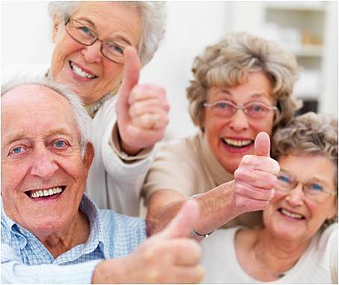 Raise your hand if you love hearing stories about how your staff make a resident’s day, particularly when it occurs organically, if you will, by the employee simply being who she is. I know…me too. That’s why I couldn’t resist sharing these two stories in our blog and how we engage residents in senior living fitness programs.
 Are you new to running or have you been a runner for some time now? Either way you may be experiencing the typical aches and pains, such as muscle soreness or blisters, but have you experienced the numbness and tingling in your feet while running? It feels as though you have pins and needles in your feet or like they seem to have ‘fallen asleep’ from this weight-bearing activity. If so, don’t get your shorts in a bunch. You may reconsider a trip to the doctor, but it will be okay. Promise!
 To my knowledge, I don’t think there’s ever been a survey taken regarding this issue but personally, this is one of the most frustrating things to hear as a personal trainer, group exercise instructor, fitness manager, fitness specialist…fitness ANYTHING! So let me be clear right from the beginning.
  Often when we think or talk about having good health, it consists of eating healthy foods and exercising. There are many areas of our lives that we could improve upon health wise—often it seems like there is so much to work on to keep track. However, one segment of health that seems to go by the way side is mental health. Just as muscles lose strength or cardiovascular fitness declines with age, your brain can lose agility and decline in the way that it functions. There is no one way to prevent degenerative diseases of the brain such as Alzheimer’s, but you can start today with the way you live your life to help make your brain healthier. Here are a few tips for great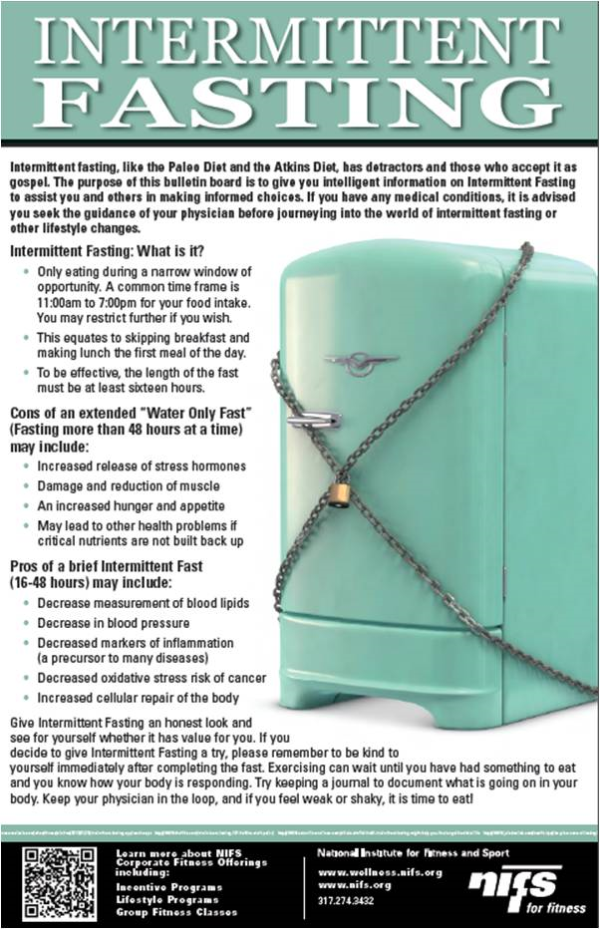


 Feeling drowsy throughout your day? Always need that cup of coffee first thing in the morning and possibly in the afternoon? Well, you’re not alone. Getting enough sleep every day is essential for proper functioning and well-being, but many people do not get the recommended amount of sleep that they should per night. The average adult should sleep