
 As more companies welcome their employees back to the office, they are also developing reopening strategies for their onsite fitness centers. It’s one thing to establish social distancing protocols in office spaces, breakrooms, etc., and it’s a whole other ballgame managing traffic in and out of the dynamic environments of locker rooms and fitness centers full of movement. NIFS has been helping our clients prepare their reopening plans so they can do so with confidence that this engaging space is safe for their employees. As your organization considers its reopening plans, review these considerations and align policies that best support your space and programming expectations of your members.
- Locker Rooms: don’t just think about how many people your fitness center can accommodate with proper social distancing, also consider how many individuals your locker rooms can accommodate and if you will allow that space to be accessible. Consider the traffic flow of your locker room, the number of showers you have available, and how many people that space can safely accommodate to help you determine capacity limits.
- Reservation Systems: if your employees are anxiously awaiting the reopening of their fitness center, consider how to best manage the traffic in your space especially during peak times of day before work, over the lunch hour, and immediately after work with a reservation system. Within that reservation system, consider how many users you can accommodate in the space (again, include those locker rooms), how long each session will last and how much time is needed to sanitize the space before the next round of users arrive. Also consider who or how you will manage this reservation system.
- Equipment Spacing & Cleaning: consider how you might need to stagger equipment or put select pieces of out of service to allow for adequate distancing between users. In a fitness center where fans are blowing and respiration rates are high, we recommend a minimum of 10’ between equipment opposed to the standard 6’ for social distancing. In addition, consider how smaller, hard to clean pieces of equipment should be sanitized between users or taken out of circulation. Or perhaps you have a cleaning box for small equipment to be dropped like bands, foam rollers, etc., so your onsite staff can ensure they are properly cleaned before placing on the floor again. Also provide touchless sign-in methods if you track visits and provide touchless water refill stations opposed to drinking fountains.
- Appointments & Services: consider limits on the number of participants in classes and whether you need to schedule back to back offerings on your calendar to accommodate the demand. It might not be efficient, but likely what is needed for your larger groups. Again, consider 10-12’ between your participants and even the types of formats you are offering. Avoid circuits or boot camp style classes where participants rotate stations sharing equipment. For one-on-one services such as fitness assessments or personal training, work with your onsite staff to develop the appropriate cueing to conduct their appointments while maintaining proper distancing from the member.
- Signage & Reminders: as people settle into old workout routines and habits, it’s important that they remain diligent on the current protocols within your facility. Provide extra cleaning supplies around the fitness center with reminders to wipe down equipment before and after use, use tape or other markers to indicate participant “spots” in free weight areas and group fitness classes to ensure distancing and include signage with general reminders about your company’s COVID safety protocols.
As always, stay on top of current CDC guidelines and best practices for the operations and programming in your onsite fitness center. Need support in developing a plan for your organization? Contact NIFS for consulting services or to discuss how our qualified fitness staff are effectively managing these reopening strategies for their clients.

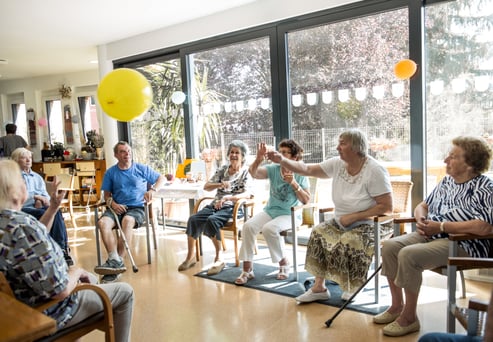 Throughout the past year, everyone’s wellness routine has been thrown upside down at some point or another. Maybe you figured out what your ‘new norm’ looks like, you are not sure where to start, or you are somewhere in the middle trying to find that new norm. A lot of the residents at the senior living community where I am employed are unsure of where to start, specifically after the pandemic.

 Hiking is amazing in so many ways. It is great for physical activity, mental health and stress-relief, cardiovascular health, socialization and more. I’ve always loved the outdoors, but my love for hiking drastically increased when I went to Sedona, Arizona. The red rocks, the greenery, the breeze thousands of feet above sea level…breathtaking. No matter where you hike, you will experience many wonderful things along the way. If you have never hiked before or have only hiked a handful of times, follow these five steps for a great hiking experience:

 Y’all, spring is HERE! This means sunshine, beautiful weather, and outdoor activities! Whether you plan on exercising outdoors, playing games with the family, or maintaining the yard, please don’t forget to warm up first. Warming up helps get your body ready to move and helps reduce the likelihood of suffering an injury.
 Cross training in exercise can make you a stronger athlete and help you achieve your fitness goals faster and more efficiently. Consider cross training in the workplace, and how learning or developing new skills can help to improve business, experiences, and job satisfaction – this isn’t much different in the realm of fitness! Simply put, cross training consists of adopting an exercise regimen which consists of a variety of modalities. To get started, consider your fitness goals, and the type of exercise that compliments them. Take running for example, instead of hitting the treadmill or pavement daily, try adding in Yoga or Pilates a few times a week for to help improve your flexibility and balance, or a strength training routine which targets the muscles you rely on to carry you across the finish line.

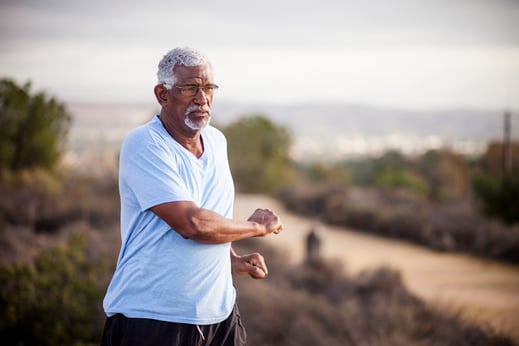 I have found appropriate strength training to make a huge difference improving balance. Several regular attendees of our group fitness classes have remarked that they feel more stable while walking, that they feel more confident getting out of chairs or off of the floor, and that they feel their hips and leg muscles working more to stabilize their body while standing or walking. This improves confidence and allows them to walk further, perform more advanced exercise, and remain more active in their daily lives. Strength can be a life saver! Check out these four tips for seniors to maintain and improve balance:

